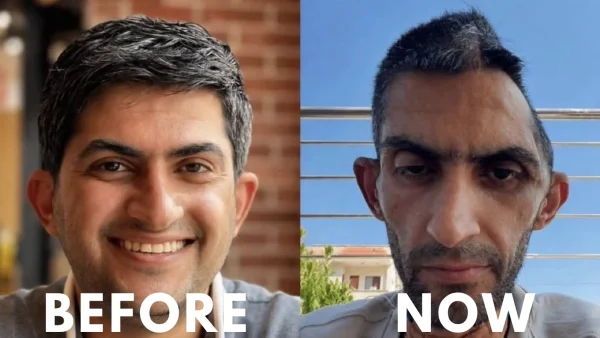
There are two pictures in particular of Bani Mufleh that have put Israeli prison conditions back under a microscope. Taken at different times, they show a man who was in good shape and then, later on, is nothing but skin and bone with a piece of his skull gone. A group for prisoners’ rights is calling it down to abuse and a lack of medical care. The Israelis, for their part, have put those claims aside.
Since he was let out, these before-and-after shots have made the rounds. You can see the toll of several brain operations and a marked change in his physique. For those making a stand for open books on how people are handled in the Israel-Gaza war, the images are something to rally around.
A case turning into a test of accountability
The Palestinian Prisoner Society (PPS) sees in Bani Mufleh what it describes as the sad reality for many of its own. To them, he is proof of a way of doing things that leaves you in pieces, body and mind.
They will tell you that a lot of ex-prisoners come out of the system in bad shape. Some families won’t even put in a report because they’re afraid of being rounded up again. PPS says it’s all too common to hear about torture, being starved out or not getting the doctor you need.
This is the way PPS puts it:
– The kind of treatment we are seeing is both tragic and systemic
– We have thousands of people who have been through the wringer
– It is no surprise when someone is released in such a state
– And then there are the ones you never hear about, because of the fear
From detention to intensive care: the six-month arc
If you go by PPS, Bani Mufleh was put in administrative hold in June 2025 and didn’t get out until January 2026. Then, only 48 hours in, he had a major haemorrhage and was in the hospital in a bad way.
He has since had more than one operation and part of his cranium taken out, according to the group, and he is still in need of ongoing care. His condition in the photos has only put more of a fine point on the matter of who is in charge and what happens behind the walls of a detention centre.
For his part, Bani Mufleh, a Beita native and father of three, says he was shuttled from Megiddo to Negev. He has some stories to tell: he says he saw two men die in there, one after a run-in with pepper spray and another, a man named Ahmed, after a dog and a plea for a medic. None of it has been checked out on the outside yet.
First-person account of hunger, fear and loss of control
In what he has put on record since coming home, Bani Mufleh talks about being so hungry that even a bit of bread is out of reach. The authorities have a grip on the little things in life, and it is degrading, he says.
Nights were hard, filled with the kind of fear you can’t put your finger on. All the time in the infirmary showed him what it is to be at the mercy of others, where any move you make is a small victory. It has put a new value on a hot meal, a night’s rest and some dignity.
Official position and the wider pattern involving journalists
Israel has been firm in dismissing any talk of a pattern of abuse in its facilities. Their line is that they follow the law and if there is a complaint, they look into it. As for holding people without trial, officials say it is what is needed for security.
PPS would have it that this is all part of a clampdown on the media. They count 245 Palestinian journalists in Israeli hands since the war in Gaza began last October. For anyone in the press freedom business, what you see in Bani Mufleh’s case is a cause for alarm.
With the photos still going around, they are a hard-to-miss reminder of why some want an independent look at the whole situation. We’ll have to wait and see if anything is done about it, but the conversation on the well-being of prisoners is certainly in full swing.