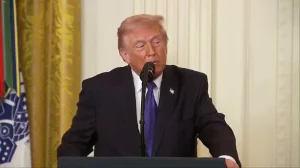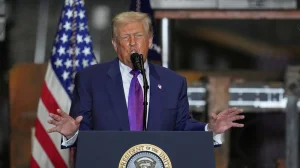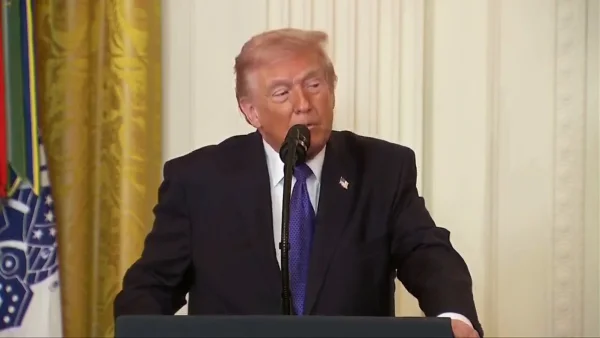
The administration made worse a disagreement about news on the Iran war by saying that stations which showed what officials called wrong information could have their licenses taken away. Following the president’s criticism of how things were reported, the head of the FCC said that news organisations had to ‘get back on track’ or face punishments. This action brought up questions about the Constitution and what is allowed by policy.
What the warning was about
This warning came after the president publicly blamed news organisations for giving out wrong reports about the US military being involved in the Iran conflict. The administration pointed to a report that said several US planes which refuelled other planes had been hit in an attack.
The president, using social media, denied these details, saying that most of the aircraft had little or no damage and would be used again. This big difference in what was said as fact helped cause the FCC chairman to speak out publicly and warn people.
What the FCC can do, and what the law allows
The FCC gives out licenses to, and controls, radio and television stations which broadcast over the air. The power of the FCC covers who owns the stations, how the radio waves are used, and decisions about licenses – including whether to renew them, and if they can be taken away in certain cases.
However, the commission does not control newspapers or publishers who only use the internet. The Constitution protects speech, and taking away a license because of what is reported in the news would go against the First Amendment and be looked at very closely in court.
How the media and legal people reacted
People who support free speech and work in broadcasting quickly criticised the idea that licenses could be used to punish reporting which was critical. They warned that doing this could stop newsrooms from reporting when it was very important to have correct information.
Legal experts said that taking away a license because of supposed ‘changes to the truth’ would certainly cause immediate court cases. Stations which broadcast may change how they report things to avoid being controlled by the government, which would affect the number of different views the public could get.
What this means for freedom of the press and reporting on national safety
This event is where national safety, what the public believes, and freedom of the media all come together. In areas of conflict, governments say they need to fight false information, while journalists stress that the public has the right to get reports from people who are not controlled about what is happening in war and what the results are.
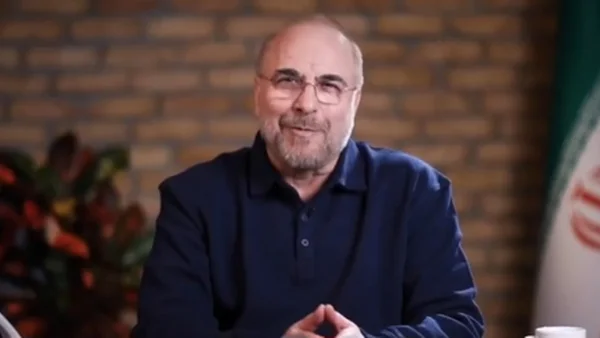
Apart from disagreements about how things work, the Iran conflict as a whole has big effects on policy and the economy. Tehran has warned about the conflict spreading to more of the region, asked for money to be paid back, and blamed foreign bases for helping to organise attacks. The energy markets quickly reacted, with the price of oil going up a lot because of threats to a key area of the sea.
What politicians should do, and how to go forward
Politicians should make it clear that there is a difference between legally controlling how broadcasts work, and unconstitutionally stopping news from being given out. Having clear, limited rules and transparent processes at the FCC would reduce confusion and protect both national safety and freedom of the press.
Encouraging quick corrections, supporting people who check facts independently, and helping people to understand the media can help to fight false information without using the power to give out licenses as a weapon. An independent look at any complaints about reporting on war would give people a fair process, while also protecting what the Constitution allows.
What is at stake goes beyond just one administration. How the people who control things, the courts, and the press react will shape what the public believes about information during wartime, affect how other countries see things, and decide if a free press can work without being afraid of being punished by the government through control of licenses.