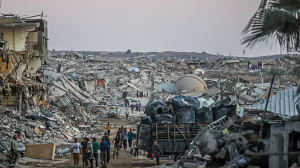
The United Nations has accused Hamas of obstructing aid in Gaza, warning that intimidation of relief workers is putting life-saving operations at risk and deepening the hunger crisis. The UN condemnation, tied to alleged recent incidents in the north, raises urgent questions about who can ensure safe access to civilians in need.
Aid deliveries under threat
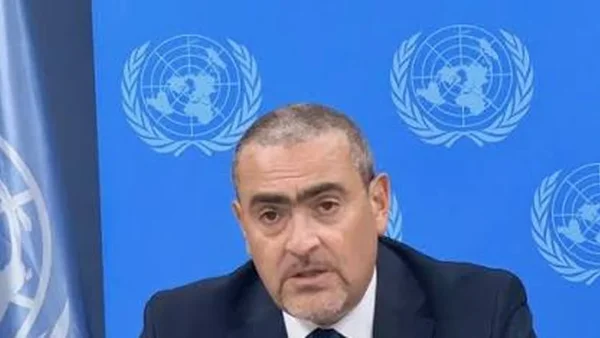
UN Deputy Special Coordinator for the Middle East Peace Process, Ramiz Alakbarov, said he strongly condemns interference with humanitarian operations by Gaza’s de facto authorities. He argued the alleged actions have endangered personnel, disrupted food delivery, and undermined already fragile supply lines.
According to the UN, the risk to aid convoys is rising as pressure mounts to reach communities cut off by insecurity and damaged infrastructure. With families relying on distributions, any delay or diversion can have immediate consequences.
UN details alleged incidents
In a statement issued on July 13, 2026, the UN cited events it says unfolded two days earlier in Jabalia. Armed men linked to Hamas allegedly forced their way into a food distribution point in the northern Gaza Strip.
The UN also reported that militants entered a World Food Programme warehouse and allegedly assaulted two truck drivers who were delivering humanitarian supplies on July 11, 2026. Alakbarov said these incidents are not isolated, describing what he called an increasingly dangerous pattern.
He listed intimidation, violence, obstruction and smuggling attempts among the trends hampering aid. Such disruptions, he warned, threaten the continuity of life-saving assistance at a time of severe hardship across Gaza.
Here are the UN’s key concerns as described in the statement:
– Interference with food distributions
– Intimidation of aid personnel
– Assaults on drivers delivering supplies
– Attempts to smuggle goods from aid chains
Hamas rejects accusations
An official from the Hamas-run interior ministry in Gaza rejected the allegations. Calling them baseless, he said police and security forces protect aid trucks and distribution centres and facilitate humanitarian work.
He added that the police will not allow any attacks on humanitarian workers. The interior ministry argued its forces continue to safeguard operations rather than threaten them.
Ceasefire realities and control on the ground
The latest dispute plays out against a fragile ceasefire reached in Gaza in October after two years of war, triggered by the 7 October, 2023 attack. The second phase of the truce, envisaging Hamas’s disarmament and a gradual Israeli withdrawal, has stalled for months.
Israeli forces have expanded their presence, taking control of more than 60 percent of the territory. While Hamas retains control elsewhere, it recently announced it was dissolving its 15-member body that had governed the strip for nearly two decades.
Violence has persisted despite the truce. At least 1,098 Palestinians have been killed since it took effect, according to Gaza’s health ministry, whose figures are considered reliable by the United Nations. The Israeli military says it has lost five soldiers and one civilian contractor over the same period.
What this means for civilians
Aid agencies rely on predictable, neutral access to keep pipelines open. Any pattern of interference or insecurity, whoever is responsible, threatens food deliveries and essential services to families already struggling.
Alakbarov’s warning underscores the stakes: if aid workers are not protected, convoys may be curtailed or diverted, and distribution points could shut. For communities in the north, even short interruptions can ripple quickly through local markets and household supplies.
The coming days will test whether assurances of protection translate into safer corridors and steadier deliveries. With hunger sharpening across Gaza, clarity on the rules of access is not just procedural. It is the difference between timely relief and another missed truck.