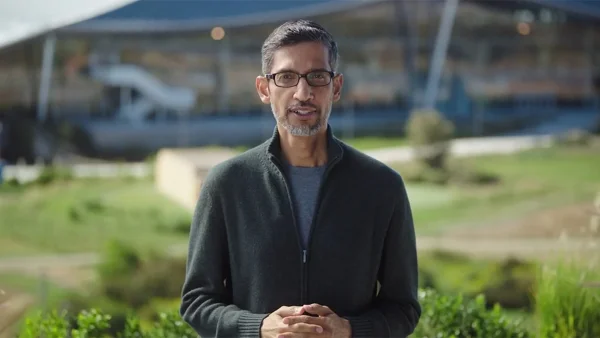
You could hear the boos and see hundreds file out of Stanford Stadium as Pichai opened his remarks, making what should have been a prime speaking opportunity something of a referendum on Google’s relationship with Israel. The row was all about Project Nimbus, and it put a fine point on how Big Tech has to be careful when it comes to courting universities while treading on geopolitical hot buttons.
Why the protest escalated
The groups behind it, Stanford Students for Justice in Palestine and the No Tech for Apartheid campaign, say they were after the deal, not the man. They were fixated on Project Nimbus, a $1.2 billion contract put in place by Google and Amazon back in 2021.
It’s a seven-year run of cloud and AI work for various Israeli government bodies, defence and security included. To the activists, it’s a tool for surveillance and military action in Gaza. Those in favour will tell you it’s just your run-of-the-mill government cloud service.
When Pichai was put on the spot, you had 200 or so students on their feet with whistles and flags before they made for the doors. A lot of them had keffiyehs on top of their gowns, and you could see the stadium emptying out as he went on.
How the walkout unfolded
If you look at the footage and what people in the stands saw, here is the story:
– Some 200 students got up as Pichai came on
– There were whistles and a good number of Palestinian flags being waved
– Chants started up as they left in the middle of it
– On video, you can see well over 100 of them go
A reporter there said the exodus was on from the get-go, and pointed out that Pichai didn’t once bring up AI.
A deliberate silence on AI
With a mood on campus that’s a bit on edge about AI and the job market, Pichai left well enough alone. He let the room in on a joke: “People thought it would be really difficult for me; it is the last two letters of my last name, after all.”
He told the Class of 2026 to ‘choose optimism, work on hard things, and do what excites you’-some plain-spoken advice for the day. You won’t find much of that in the other talks this season where speakers have been hounded for harping on AI when graduates are out of work. His was later put up on the Google blog.
Reactions from tech and on the ground
Silicon Valley has been talking about it. Vinod Khosla, the VC, called the whole thing short-sighted and put in a word for how AI can do some good for the 3 billion at the bottom of the pyramid. It’s part of a larger grumbling in the industry about what goes on at these protests.
Then you have the clips from the stadium with the “Free, free Palestine” chants. But not everyone left; some stuck around to see it out, which says something about the divide in a room that is supposed to be one of unity.
What it means for Google and campuses
Project Nimbus has been an open sore at Google for a while. Back in 2024, they let go of a number of staff after some sit-ins over the matter. Now the issue has moved from the office to a stage like Stanford’s.
The numbers don’t lie: on June 14, a top-tier alumni event was upstaged by a protest, and the head of Alphabet gave a keynote with the AI parts edited out. For the university, it’s a reminder that when you have a tech CEO up there, you’re also getting the politics that come with him.
It hasn’t been a good year for some of the big names in tech. More than one has been met with a cool reception for being too of an AI cheerleader when students are concerned with the real-world side of automation and inequality.
What to watch next
We’ve seen the pushback go from a petition to a scene, and the heat on Project Nimbus isn’t going away. What happened at Stanford is a sign that how a company is viewed may have as much to do with its contracts as its products.
It will be interesting to see if Google changes its tune on Nimbus or if they keep the AI out of the conversation. Either way, it’s how they handle the dissent on a $1.2 billion piece of business.