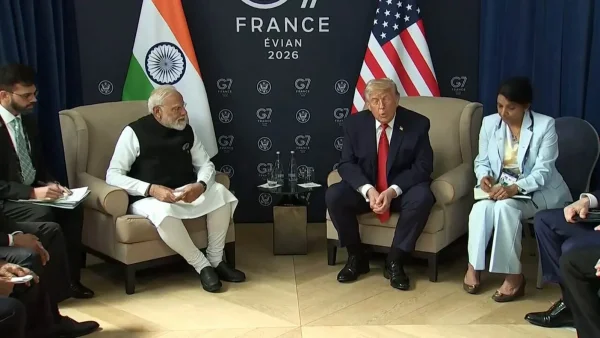
For US President Donald Trump, the three Indian seafarers who were killed near the Strait of Hormuz are a case in point for what he calls a hard life at sea. In his remarks from the G7 in France, he put the attack in the context of the kind of risks you can’t get away from in this line of work, all while underlining the value of working with India. New Delhi, for its part, has been making no secret of its worries over seafarer safety and who should be held to account.
US response at the G7
It was Wednesday, June 17, 2026, in Evian-les-Bains when Trump put it in plain terms: he’s heard about it and life at sea is a rough one. He made a point of how nations have to come together on these things, given the old hat of danger and the fact that we have to coordinate to keep the shipping lanes open.
In a few words with the press, he said, I heard about the Indian sailors. It is a rough profession. We like them. Then he put it another way: I heard about that, we work together on it. It’s been going on for a long time but we handle it as a team.
India presses for safety and some accountability
The Indian government has called in the US charge d’affaires to make its position clear: American military action against ships with Indian hands on board is not on. There are real concerns about safety out there. They want to see some firm guarantees that this won’t happen again and for those in transit on the more treacherous routes to be better protected.
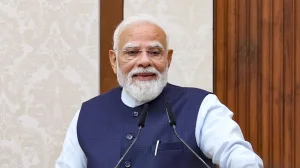
Then there was Prime Minister Narendra Modi, who made his case at a G7 outreach on Tuesday. Every country has to make sure the maritime routes are safe so a seafarer can do his job without looking over his shoulder. He brought it up before his one-on-one with Trump, in a call for us to act as one to keep the seas secure.
What went down by the Strait of Hormuz
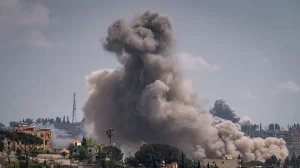
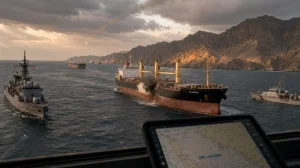
Indian officials say three merchantmen with Indian crews were hit by the US off the coast of Oman last week. The MT Settebello was one of them and it cost the lives of Aditya Sharma, Shivanand Chaurasiya and Patnala Suresh. Some of the others made it out, which is a testament to the need for a quick response in these situations.
Families and repatriation
The Embassy in Muscat says two of the men have been brought back to India as of Wednesday and they have their sympathies with the families. They didn’t go into specifics on the third, Patnala Suresh. You had 21 from that same Palau-flagged vessel, the MT Settebello, coming home a day before that after being pulled from the water.
According to those in the know, the Indian side is in talks with Omani authorities and the families to see to it that the remains are returned. It is the kind of practical headache that comes with a high-seas incident when you are so far from home.
Where the sides stand
To put it in a nutshell:
– Trump: It’s a tough job out there
– India: What the US did is not acceptable
– Modi: Seafarers need to be able to work in peace
– Both: We’re in this together
Reading between the lines of the Trump-Modi meeting
Trump has been lauding the defence relationship with India, calling himself a good friend of the place and saying the PM has respect in Washington. You could hear in his tone at the G7 that he wants to make sure the broader strategy holds, even with the friction in the water.
He even put a promise on the table, with a caveat. I think it is a great relationship. If they were to be attacked, we would be there. No contract or anything, but if they are and he is the one in charge, we will be there to help.
If anyone goes after that man, we’ll be there. I don’t know if it’s someone else, but with him as the leader, we are. After the talk, the two were seen shaking hands, a show of being on the same page.
So what does it mean?
You have to look at the three seafarers who died and it puts a fine point on the issue of civilian safety in the Strait of Hormuz and around it. For a country like India that puts so many in the merchant navy, it only heightens the call for some clarity on who is responsible when the military and commerce cross paths.
New Delhi is of the mind that we should be putting our heads with other nations to make the seas a safer bet for those who work them. It’s a matter of keeping trade moving and not having people in the water with a sense of unease.
Trump has been painting it as just one of the hazards of the job, but he is also on record for wanting to cooperate with India. With two of the bodies back and one to go, the Indians and Omanis are still in coordination. The question now is whether the handshakes and good intentions will become something you can put your finger on to keep crews safe in the hot spots.