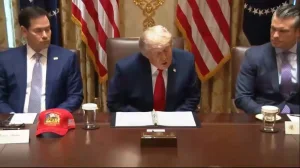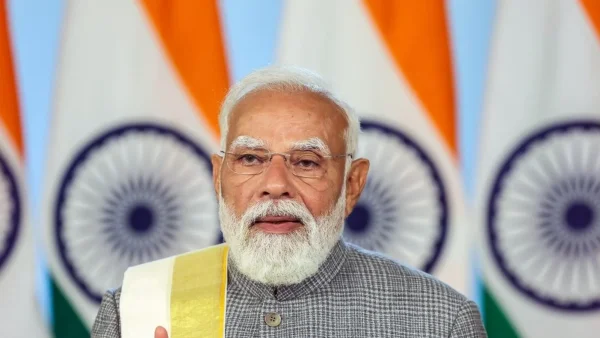
Markets let out a sigh of relief when word came out of a US-Iran understanding to call off hostilities in West Asia, and India was the first to make its support known. PM Narendra Modi has made it clear he’s behind the move, and for good reason: it means stability in the trade lanes, which is something that hits home for any economy that relies on shipping or has to import its fuel.
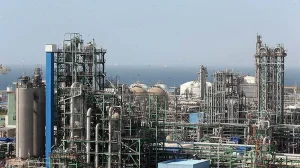
Oil prices react as Hormuz reopening signalled
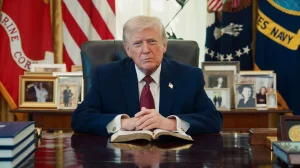
You can see the effect in the numbers. Crude has given up ground on the chance of a smooth reopening of the Strait of Hormuz. July US crude futures are down more than 5% at $80.25 a barrel; Brent for August has slipped 4% to $83.31. So what do we have? A preliminary peace deal between Washington and Tehran to put a stop to three months of war, as Indian officials have been saying. President Trump has been touting the deal as a way to put some ‘peace and security’ back in the region and to unblock the Hormuz once more.
India’s stakes: energy security and trade lanes
For a top-tier importer like India, de-escalation is of prime interest. When you lower the temperature in West Asia, you cut down on freight risk and keep the supply lines open. It has a way of working its way through to your own inflation and growth figures. The Strait of Hormuz is where the rubber meets the road for energy trade, and it had become a hot spot for maritime trouble. New Delhi has been firm on this: freedom of navigation and commerce are not up for debate, especially when you have to worry about supply hiccups and the cost of insurance going up. In short, here is what you can take away from the official side of things: – India is for anything that cools down the situation – You will have the Strait of Hormuz opening under the new framework – This is to put a period to the war that has been on for some time
What PM Modi said
Modi put it to his followers on social media: he is pleased with the US-Iran understanding. He pointed out the conflict has been hard on the global economy and cost lives in more than one country. For India, backing this is about making sure we can have some predictability in our trade.
He went on to say he expects the accord to put some order back in the region and see to it that navigation and commerce are free. And there is an expectation from New Delhi that the rest of the issues will be worked out in a way that is built to last.
What comes next in US-Iran talks
If the reports are to be believed, the draft is meant to do three things: end the fighting, open the Hormuz, and pick up the thread on Iran’s nuclear file. The order of operations is key. You can quiet the markets with a bit of de-escalation at sea, but nailing down the nuclear details is a longer game.
It is all about reliability for New Delhi now. If you can get the tankers to keep moving, you have less volatility to plan around. Should the framework stand up, those of us who have to import our way of life might have a break from the usual supply shocks, and the insurers may have to look at their premiums again. The money has already made up its mind, but how long these price moves hold will come down to whether the parties actually follow through. A little calm at sea makes for a steady benchmark, but one misstep and you can have it all undone in a few days. You could call it a matter of principle, but for India it is a practical one: stability before the politics. In welcoming the deal while pressing for open commerce, New Delhi is in step with a lot of other nations that can’t afford to have their passage through the chokepoints put in question. And it is more than just talk. Supply chains are still on edge, so any headway in West Asia is worth something. The question is if they can make this preliminary agreement stick, both in the water and in the negotiating room. Everyone is waiting for the formal word and a schedule. But the bottom line is obvious. If the Hormuz reopens as we are being told, the ones who will be ahead of the curve are the consumers and the industries that have to pay for energy, and then the governments that have to put together a budget with a more even keel on their import tab.