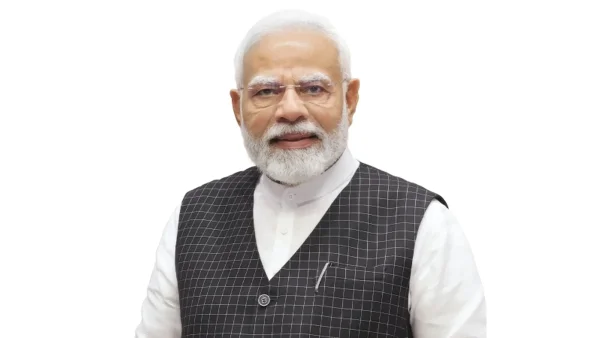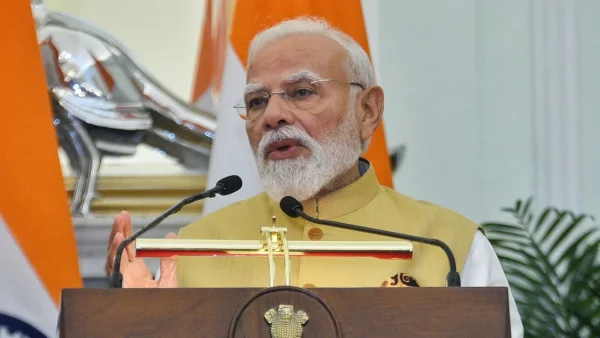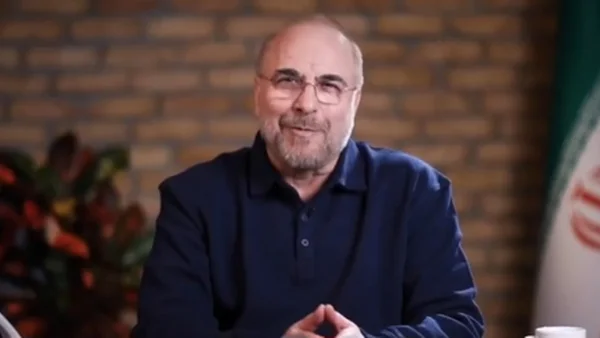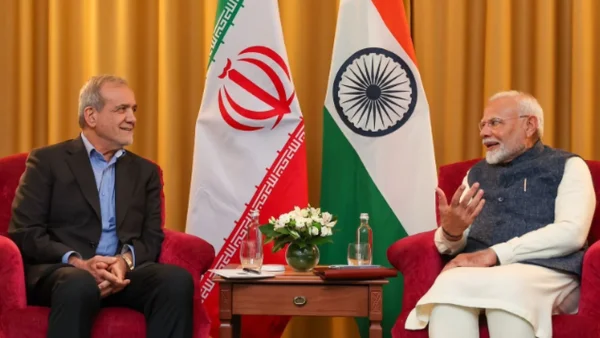
President Pezeshkian and Prime Minister Modi had a phone conversation about their two countries’ relationship and what’s happening in the Middle East right now, with the increased danger of fighting. Pezeshkian suggested a security system for the Middle East and said the BRICS group should do more to calm the region down.
Proposed West Asia security framework
Pezeshkian wants Middle Eastern countries to create their own security system, working together to keep the peace and be stable without other countries interfering. The idea is that the countries in the region should be in charge of their own security.
He said the fighting has to stop immediately, and that means the United States and Israel need to stop their military actions. Pezeshkian also said there must be a way to be sure attacks don’t happen again. Iran would be willing to let international leaders check and watch their peaceful nuclear work.
Iran’s account of violence and nuclear stance
Pezeshkian repeated that Iran didn’t start the conflict. He said someone else started attacking while Iran was already in talks about nuclear issues. He says these attacks killed important leaders, military commanders, and a lot of regular people, including many children.
Specifically, Pezeshkian said 168 children were killed in an attack on a school in Minab, and that the attack came from bases in countries next to Iran that have US troops. He said Iran is not trying to get nuclear weapons, and reminded everyone of previous decisions that said they wouldn’t build them.
India’s response and strategic priorities
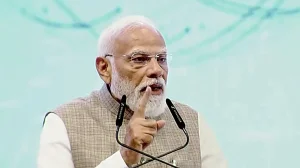
Prime Minister Modi wished Pezeshkian well for Eid al-Fitr and Nowruz, and said he is very worried about how much worse the situation is getting. He said attacks on important oil and energy facilities are bad, and that they could cause problems with the world’s food and energy supplies. Modi said it’s important to protect shipping lanes.
Modi said keeping the Strait of Hormuz safe, and allowing ships to pass freely through the Persian Gulf, is essential. He said keeping shipping safe in these areas is tied to making sure goods continue to be traded and shipped around the world. This shows how important energy supplies and continued trade are to India.
BRICS’ potential role under India’s presidency
Pezeshkian asked BRICS, which India currently leads, to act separately to stop the fighting and protect both the region and the world. He thinks BRICS could be a place for countries to calm things down and use diplomacy together, and he pointed to their political power and strength of their economies.
India’s Foreign Minister has already talked with Iranian officials about BRICS. India’s position as president gives it ways to use diplomacy, but because BRICS has many different members it may be hard to quickly reach an agreement on what to do about security. However, BRICS could encourage conversations and put combined pressure on countries.
Diplomatic options and regional implications
Both leaders said they are open to diplomacy, even possibly meetings during the United Nations gatherings. Pezeshkian said having ways to check peaceful nuclear work would help build trust. Modi said shipping routes need to be protected so global supply chains aren’t interrupted.
Any attempt at a security system for the region will have difficulties: other countries’ conflicting goals, different views on the threats, and a lack of organizations to make it happen. Keeping energy supplies safe and keeping shipping lanes open will likely be the main things countries argue about. Other nations might be asked to give clear promises, or to not be in charge of enforcing anything.
Outlook and next steps
This phone call shows that people are actively looking for ways to use diplomacy, even with the tensions continuing. We should watch for more conversations at international meetings and BRICS potentially getting involved. Countries in the region might start taking practical steps to protect shipping and check nuclear work, while they also try to reach larger agreements about security.
For people making government decisions and in the financial markets, these events show how linked diplomacy and a stable energy supply are. If BRICS or a Middle East security system becomes successful, it could completely change how the region deals with conflict and how much influence countries from outside the region have over time.