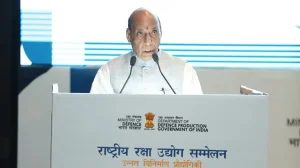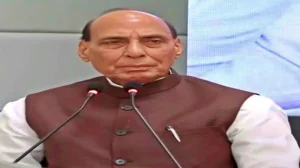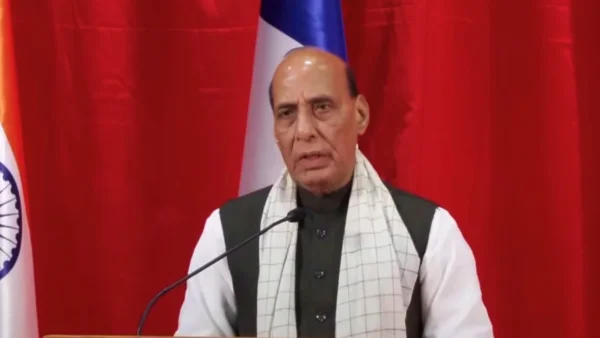
Singh specifically mentioned the terrorist attack in Pahalgam and said Operation Sindoor made Pakistan “give in” in only 22 minutes. He called this operation the biggest anti-terror operation India has had yet, and it’s still happening. He also said that if Pakistan does anything to make India angry, India will do even more in response.
The Defence Minister explained that because of the current situation in the region, Pakistan might attempt something hostile. He said India won’t only complain to Pakistan diplomatically, but is ready to use carefully chosen force if needed.
Operation Sindoor and doctrine of retaliation
As Singh described it, Operation Sindoor shows that India now has a plan to quickly and powerfully hit back at threats, destroying them before they get bigger. The fact that he said “22 minutes” shows India now prefers operations that are quick, accurate, and don't waste time in making and carrying out decisions.
Singh compared Sindoor to the strikes across the border after what happened in Uri in 2016 and the air strikes after Pulwama. These actions all show that India now consistently moves from being careful in its response to actively using the military when terrorists come from across the border.
Singh also indicated that these military actions aren’t just separate events, but are part of a continuing way of operating. He wants to discourage enemies, and at the same time, assure people in India that the armed forces can react quickly and with strength.
Comparing past and present policies
Singh contrasted this current approach with how things were done in the past. He criticized previous governments for only giving over lots of detailed files (dossiers) without actually doing anything. He said the current National Democratic Alliance government has a “zero tolerance” policy for terrorism and is much more willing to use force when it’s needed.
This comparison does two things: it makes people in India think the government is stronger, and it tells other countries that India is now willing to use the military much sooner. The way he speaks is meant to show how determined India is, but doesn’t promise that India will react in a completely uncontrolled way.
Regional context: West Asia tensions and energy security
Singh made these comments at a time when tensions are high in the Middle East, and conflicts between competing sides are affecting oil prices around the world. He pointed out that Pakistan is trying to be a mediator in some of the situations in the Middle East, which makes the political situation along India’s western border more complicated.
Operational readiness and strategic implications
Singh calmed concerns at home, saying rumours of not having enough gas and fuel are false, and India is ready for possible issues with energy supplies. He emphasized that the navy is prepared, and that there are plans to evacuate Indian citizens (especially those from Kerala) if needed.
These assurances are to keep the financial markets and the public calm, while also showing that India’s security plans include protection of its people at sea and in other countries, as well as on land.
Singh’s warning demonstrates that responses are already planned and will happen quickly. Intelligence agencies are still saying there’s a lot of activity along the western border, and the Defence Minister’s words show he’s prepared to act on what the agencies say.
For people who make policies and those in the region, the message is clear: India intends to prevent future attacks with a quick, strong military response, and also has a wide range of security arrangements covering energy, the navy, and Indians living abroad. India is combining discouraging attacks, being prepared to act, and sending a political message to its own people.
All of these comments together show a firm, sensible approach that aims to prevent things from getting worse by making sure anyone who tries something at the border will face obvious and serious consequences. India seems to be aiming to discourage attacks and be ready to defend its safety and goals.