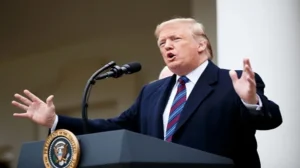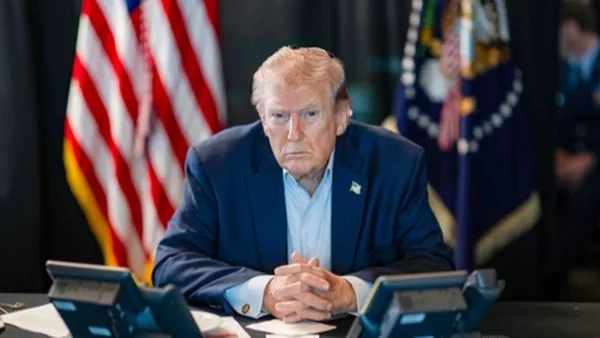
President Donald Trump said the Strait of Hormuz would open up again ‘on its own’ once the trouble in the Middle East is over, and repeated that the United States imports ‘almost no oil through the Hormuz Strait.’ He said this as people around the world are getting more and more worried about Iran basically closing the waterway and are asking for ships to be able to go through safely.
Trump presented the US’s plan for energy as not being very affected by problems in Hormuz. He said that because we’re making more oil at home and don’t need as much from countries in the Gulf region. This is similar to the general message of the administration about the US being able to provide for its own energy needs.
The amount of oil the US is making has gone up, so we don’t rely on shipments from the Persian Gulf as much. However, saying this doesn’t really give a complete picture of how complicated the oil market is. The world’s oil market connects those who produce oil, those who refine it, those who trade it, and those who use it, and they’re all on different continents.
Why the Strait of Hormuz matters to global energy security
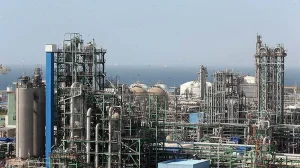
The Strait of Hormuz is a very narrow route by sea that connects the oil-producing countries of the Persian Gulf to the rest of the world. Historically, a large amount of oil, both crude and refined, has one through this route, and it’s therefore really important for making sure there’s enough oil available.
Because oil is sold on a world market, any problem in Hormuz can change prices around the world very quickly. Even people who don’t buy oil from the Gulf will pay more for gasoline, insurance for ships will go up, and ships will have to go different routes.
US energy independence is real but not absolute protection
The US is making more of its own oil and gasoline, and can export more too, so we don’t directly depend on imports from the Gulf as much. This has made the country more able to cope with energy problems than in the past.
However, the United States is still impacted by what happens in the global oil market. If international oil prices go up a lot, this causes prices to rise in the US and can cause difficulties for businesses that need steady energy costs.
Diplomatic moves and military rhetoric over Hormuz
Leaders from many countries have been focusing on solving the problem through diplomacy, including planning a meeting of countries to coordinate how to reopen the Strait and protect ships. The goal of the meeting is to come up with a united plan to get ships moving safely again.
At the same time, the US government has been using a combination of diplomacy and threats of military action. Trump has said that the US military has damaged some of Iran’s abilities and has indicated it’s prepared to do more if needed.
Iran has responded by making fun of the US and with public displays, including posting videos on social media; this creates a pattern of each side provoking the other and then responding. This kind of exchange increases the chance that a mistake or taking things too far could cause even more problems for shipping.
Economic consequences of a prolonged closure
If the Strait were blocked for a long time, ships would have to go around, which would take longer and increase shipping and insurance costs. Refineries that get their oil from the Gulf might find it hard to get enough supplies, which would affect how much fuel they make and how much fuel is available.
Higher energy costs contribute to inflation and can slow down the economy. Even short increases in the price of oil affect transportation, factories, and people’s budgets all over the world.
What reopening the strait would mean for markets and policy
If the Strait is opened again, the extra cost added to oil prices would likely go down, shipping costs would be reduced, and the general feeling in the market would improve. This could quickly help to stabilize fuel prices and reduce the difficulties for industries that use a lot of energy.
From a political point of view, reopening the Strait would allow governments to say they’re making progress on energy security and return the focus to diplomatic solutions. But whether that will last depends on solving the conflict in the long run and agreeing on rules for safety at sea.
In conclusion, Trump’s statement that the US imports ‘almost no oil through the Hormuz Strait’ is only partly true because of increased domestic production. But the fact that he is pushing to reopen the Strait and his strong warnings to Iran show why Hormuz is still important: the world’s financial markets, the way our allies get their oil, and safety on the sea are all closely linked to how stable that narrow waterway is.