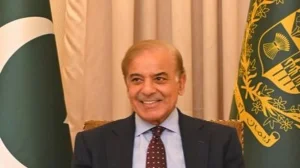
Prime Minister Shehbaz Sharif announced the quick changes to everyday life, to help save fuel in the worsening energy crisis. The government said all schools – primary and secondary – would be closed for 14 days from March 16th, and colleges and universities would begin teaching students online at once. People in charge say that not having students attend in person will ease the strain on fuel and the buses and trains that people use, at a time when getting fuel from other countries is in doubt.
Schools close all over the country and move to online instruction
All primary and secondary schools will be closed for 14 days beginning March 16th; universities and colleges will move to online classes at once. Those in charge state that pausing in-person classes will lessen the daily demand on fuel supplies and public transport systems at a time when imports are at risk.
Parents and teachers are worried about kids falling behind in school and the school year being interrupted. The government says the main thing is the country getting through this, and has asked schools to give online classes if they can, to cut down on learning loss during the short closure.
Government offices to a four-day week and working remotely
Government offices will be open four days of the week, apart from services that have to be open like banks. The government has told half of all government staff to work from home, to lower travel and energy use in the office, but keep the most important work going on a smaller schedule.
Fuel money for government vehicles will be cut by 50 percent for the next two months, as an attempt to lower how much the government uses. Those in charge say that these steps are to give quick help to the limited fuel stocks, and lessen the pressure on the electricity system.
The economic and energy reasons for the steps
These steps come as the price of crude oil worldwide has gone over $100 a barrel, with fighting in the area upsetting shipping routes – especially through the Strait of Hormuz. Pakistan gets almost all of its fuel from imports, so it is especially likely to be hurt by problems with supply, and the increasing cost of imports.
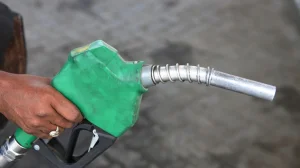
People in the finance department report about 25 days of petrol and diesel, and about 10 days of crude oil, so they are taking steps to be safe. People rushing to buy petrol, and sudden price rises, have made the need for the cuts even more urgent.
Practical and money-based steps to cut fuel use
Apart from the closures and shorter workweeks, the government has asked departments to cut down on travel that is not needed, use fewer government cars, and get remote work going faster. Companies in the private sector are being asked to do the same – hybrid or work-from-home – to get the most fuel savings across the economy.
Those in charge say the steps are only for now, and could be made bigger if supply routes stay difficult, or prices keep rising. Experts say that these steps to lower demand give time while politicians look for longer term ways to get supply and manage money.
Balancing getting through the short term with the long term costs to education and society
The choices in policy are clear: cutting fuel demand may stop power cuts and transport stopping, but closing schools risks making differences in education worse. Students who do not have good internet or help with school at home will be most upset, and families who depend on schools for childcare may have trouble.
To lessen harm, the government and schools must plan to catch up, help for students who are in trouble, and changes to exam times. Being open about plans for what to do if things go wrong will be important to keep the public’s trust during this time of cuts.
Pakistan’s move shows how energy shocks can force quick policy choices that affect everyday life, education, and public work. People in charge say they will keep watching the situation, and be ready to bring in more steps to save energy if the risks to global supply stay.