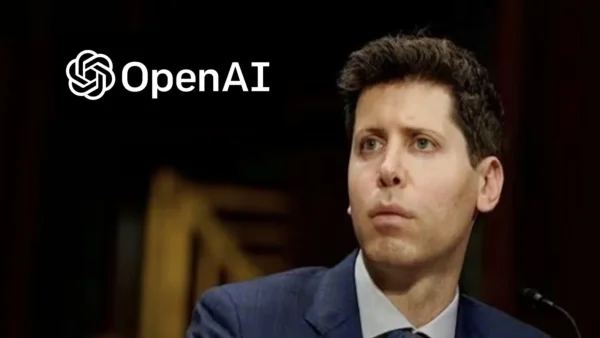
The OpenAI head has been toning down the apocalyptic talk on this front, noting that the great white-collar cull everyone was worried about hasn’t come to pass. He made his case on Tuesday at a Commonwealth Bank of Australia event in Sydney: yes, work is being redefined by AI, but not in the way he had once thought it would be.
Why the alarm is being dialled back
Altman will be the first to admit he and his crew were in the right ballpark when it came to how fast AI would improve in the wake of ChatGPT in 2022. Where they missed the mark, he says, was in the social and economic fallout. He didn’t put a figure on it, but he’ll own up to having been too pessimistic on short-term job losses.
“I’m happy to be wrong on this one,” he told CBA’s Matt Comyn. He had figured there would be more of a cull in entry-level roles by now. Since that’s not the case, he’s had to re-examine how the workforce muddles through as AI makes its way into the office.
And don’t think his earlier cautions were for show. “It is a real risk we should be having a conversation about,” he said, if one that may play out in an unexpected manner.
A moat made of human contact
So what put him off? A little test of his own. For a while, Altman let AI field his Slack and email, even stamping the responses as ‘from Sam’s AI’. When he pulled back, the way his colleagues reacted made one thing plain: the human element in an exchange is hard to put a price on.
“We do care about people,” he put it. He can’t see himself handing over a good chunk of his correspondence to a machine “any time soon”. In his view, that’s why you can automate a task, but a whole job is another story, no matter how good the AI gets.
His bottom line is straightforward: the reality on the ground is going to be nothing like some of the early projections. “I don’t think we’re in for the kind of jobs apocalypse some in our industry like to put forward,” he said.
On the corporate front lines
None of this means things aren’t in flux. You have big names like HSBC, Amazon, Standard Chartered and the Commonwealth Bank that have put in some AI where there used to be a person. The trend is there, if it’s a bit more measured than you might think.
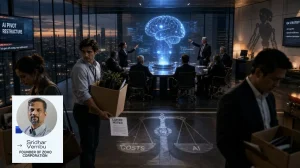
Then there are the tech layoffs stoking the nerves. Meta let go of some 8,000 last week, calling it a reorg. Altman has in the past put forward the idea of broader cuts as AI moves in, but he had no new figures to share on Tuesday.
Put simply, there is cutting happening, but it’s not a straight line. Automation is part of the equation, sure, but for now, the work that requires a human touch is holding up better than we thought.
If you want to get a read on where Altman and the market stand, here is what to look for:
– Mass white-collar purges? Altman says the hype is overblown
– A handful of firms will tell you AI has taken over some of their roles
– You can’t put a bot in the middle of a human interaction
– OpenAI is in the process of a confidential U.S. IPO filing
What’s at stake for OpenAI
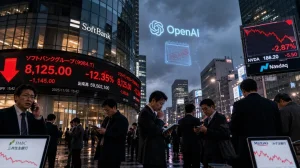
Timing is everything. In the next few weeks OpenAI is set to file for a U.S. public offering. When you are marketing to enterprises, a less fearful story about the future of work is a good thing for business.
It also puts him in a different lane from some competitors who like to present AI as a quick fix for headcount. Altman is waging a bet that if you can show how AI builds on what a person does – without eroding the trust of a client or an employee – you’ll be the one they put their money in.
What comes next
He won’t say the matter is settled. The risk, he concedes, could still show up in a form we haven’t seen. But for the moment, he’s found that the bits of a job that are about trust and reading the room are the ones that stay with us.
For any executive looking to bring in AI, the lesson is as old as it is new: let the machines do the work where they can, but put a person at the centre of what matters.