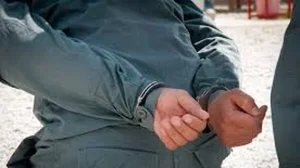
Fourteen more have been taken in by the NIA in the matter of the gherao of judicial officers in Mothabari, for a running total of 68. Tied to the row over the electoral rolls, the case has made something of a flashpoint in the state ahead of the 2026 polls, and you have courts, investigators and politicians of one stripe or another with their eyes on it now.
Why the arrests are being made
These new detentions are part of a probe that’s only getting wider into the intimidation of officers on the job. The people we’ve held, according to our side, were right in the middle of the harassment and unlawful confinement in Mothabari last month. What was a protest of sorts was quickly turned into an end-run around the justice system.
The Supreme Court had no time for it, calling the whole affair a ‘deliberate and calculated’ move to put the wind out of the sails of judicial officers and put up roadblocks to their work. With the Election Commission in the mix as well, it was only a matter of time before the case made national headlines and the centre had to step in.
A look at the NIA’s week
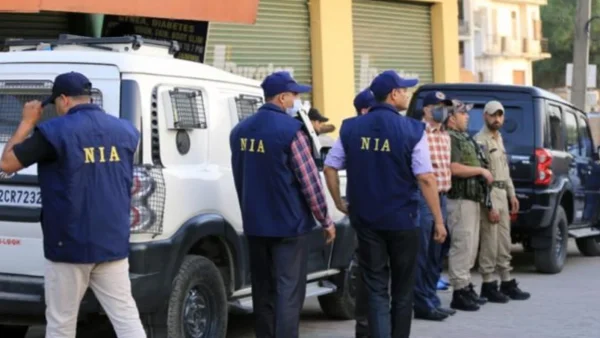
We made the 14 arrests Monday night after some coordinated moves in and around Kaliachak and Mothabari in Malda. Our people are still on the ground, following up on leads from witnesses and police who have put names forward as the ringleaders of the violence.
They will be put before a special NIA court in Kolkata; we want some more time in custody to get to the bottom of things. We have put in several case files as we go along.
What went down on April 1st
It all came to a head outside the Block Development Office in Mothabari while they were in the middle of the Special Intensive Revision of the rolls. Seven of our officers were made to stay put inside the BDO office, and an eighth was in a car for some nine hours on the 1st of April.
You had a crowd unhappy about having their names removed from the list, and they let it get out of hand – blocking the way, trashing cars, lashing out at the police. It took security forces until late in the evening to get the officers out, and it set off a bit of a political storm in the state, not to mention a closer look at law and order come election time.
Where we stand
Some of the numbers and facts on the ground:
– 68 people have been brought in on this
– We have done our share of raids in Kaliachak and Mothabari
– The NIA is on it and has filed the papers
– The top court has put its finger on the demoralisation of officers
– The EC has had to wade in
How the courts are handling it
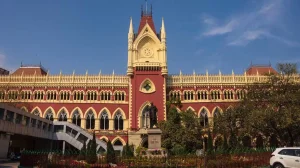
Due process is being followed, but with some firmness. The Calcutta High Court has said no to bail for one of the accused, and for good reason given what’s been alleged and the NIA’s involvement. In open court we have made the case that our witnesses and men on the beat have pointed us to the ones who started it.
The Supreme Court put it in stark terms: an affront to the independence of the institution. That has set the tone for how we are going about our business and the pace of the investigation.
The politics of it and the road ahead
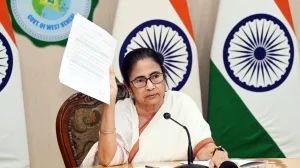
This is where voter-roll checks, some public ire and the clock on the 2026 West Bengal Assembly elections all meet. There is a lot of talk about whether the process has been fair and if the officers are safe.
We are after more custodial time to ask the right questions, and we have been in with some political types and local activists from across the board in the last few weeks. As the arrest count goes up, you can expect the probe to put some strain on the working relationship between us, the courts and the election authorities.
In the end, it is about confidence for the voter in the pre-poll machinery and for the officials in the field. For us as an institution, it is a question of whether we can put a stop to this kind of pressure in time to keep the electoral exercise on the up and up.