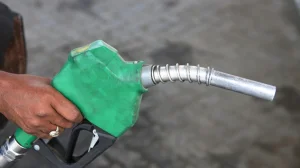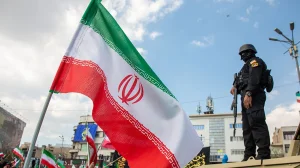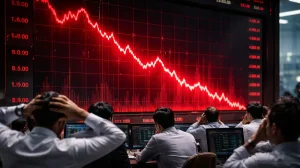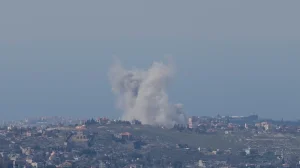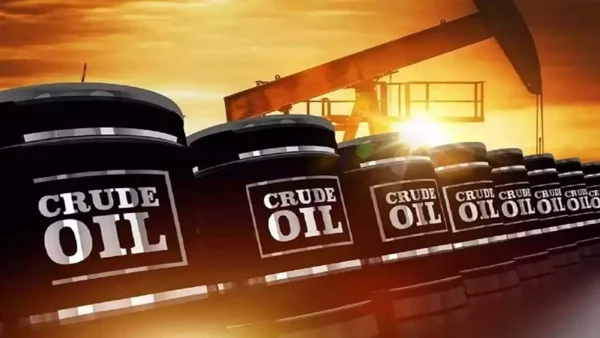
Oil prices went up nearly 9% following attacks by the US and Israel on Iran, with fast responses from Iran, taking Brent crude to almost $80 a barrel, and US crude to around $72.80. Though prices rose, people who know what the government is planning believe that petrol and diesel at the pump in India won’t go up right away.
Oil price rises and what they mean for the market
The recent rise in price came about because of increased military action in Western Asia, and caused new worries about oil not being supplied. Worldwide price guides moved notably upwards, showing how anxious the market was about shipping paths and the chance of less oil being sent by sea.
For India – which buys approximately 88% of the oil it needs – higher oil prices mean a larger bill for imports. This could then create pressure for prices to rise generally in transport and logistics, and then for prices that customers pay.
Why retail fuel prices are likely to stay the same
Petrol and diesel at the retail level haven’t been changed since April 2022, giving the government and state-owned oil selling companies a way to manage changing prices. Companies took losses when oil went up in price, and rebuilt their profits when worldwide prices got lower.
People connected to the government say the government follows a careful plan: allowing firms to make money when global prices fall, and protecting customers when prices rise. Unless oil goes up a lot, and stays up, beyond where it is now, prices at the pump won’t likely be changed at once.
Financial cushions and company profits
State-owned sellers of oil have built up money as a safety net during times when international prices were lower. After oil peaked at nearly $119 a barrel in the middle of 2022, companies had better results in later periods, helping them to survive short-term rises in price.
Companies in the public sector which refine and sell oil have reported good profits in recent quarters; people in the industry say this gives them the ability to take temporary hits. That money the companies have reduces the quick need to pass higher oil costs on to drivers.
Supply routes, dangers in the Strait of Hormuz and logistics
A lot of India’s oil and gas comes through the Strait of Hormuz, a very important narrow passage. Warnings from Iranian officials and reports of less insurance being available have stopped tankers moving, adding to the risk of supply.
If arguments stop routes being used, goods may have to travel around the Cape of Good Hope, making journeys longer and raising the costs of freight and insurance. These changes would raise the cost of oil when it reaches India, and could then affect how much fuel costs in the country over time.
Government watching and talks with people involved
The Union Minister for Oil and Natural Gas looked at the prices of crude oil, LPG and oil supplies with senior people in the ministry, and bosses of companies owned by the government. Officials said they are watching what is happening closely, to protect that fuel is available and affordable.
The commerce ministry also got together people involved in logistics, shipping, customs, banks and trade to look at what was being exported and imported, and what routes could be used if needed. Officials were focused on keeping cargo movement predictable, and reducing delays and extra costs for goods which needed to be moved quickly.
Plans now try to balance the stability of the market with political and economic things to think about. With elections to state assemblies coming up in important states, people in authority seem to want to avoid sudden rises in prices at the pump, unless world pressure becomes lasting and very strong.
In the short term, drivers and people who run transport businesses can expect prices of petrol and diesel at the pump to stay the same. People who watch the market, however, warn that if the Middle East’s supply of oil is stopped for a long time, or if crude oil goes up and stays up beyond where it is now, a new look at prices in India and subsidies will be needed.