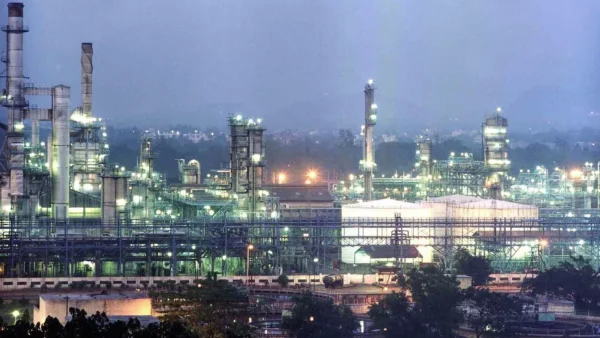
Because of problems linked to the fighting going on, things are being disrupted in the worldwide energy market, and India has moved to get oil quickly. After the U.S. said India could buy Russian crude oil and products that were put onto ships before March tth, as long as India itself handled the delivery and payment, Indian Oil Corporation and Reliance Industries bought almost all the available oil being sold at that moment, traders who know about the deals say.
Most of this oil was already being transported in Asia, but hadn’t been sold to a final buyer yet. India had recently been buying less Russian oil because of pressure from the U.S., and was getting some of what it needed from Saudi Arabia and Iraq. The waiver temporarily removed a problem just as getting oil from the Middle East became more difficult.
Middle East conflict squeezes supply routes
Increasing trouble with Iran has interfered with normal shipping routes and insurance, and traffic through the Strait of Hormuz has been greatly reduced. Although only about 40% of India’s oil imports go through the Strait of Hormuz, the wider effect on transport in the area is large, and is forcing oil processing plants to find oil from different places to continue to work.
India didn’t import a lot of Russian oil before 2022, but the amount increased a lot after sanctions from Western countries messed up how trade normally happens and Russia started selling oil at very low prices. At its highest point in the middle of 2024, India bought more than 2 million barrels a day. By February, this had gone down to around 1.06 million barrels a day as New Delhi reduced how much it was buying, due to pressure from other countries.
Pricing flips: Russian grades now command premiums
This latest round of buying clearly shows a significant change in how prices are working. Russian types of oil, including Urals, ESPO and Varandey, are now being sold for $2 to $8 more per barrel than London’s Dated Brent price. This is a big change from earlier in the year when Russian oil was generally sold at a discount.
Several things are causing this change in price. Firstly, it’s now harder to get replacement oil from the Middle East because of shipping delays and increased risks. Secondly, the waiver gave a short period of high demand from India for oil already on ships. Thirdly, oil processing plants in Asia like ESPO and other types of ‘light sweet’ oil because they produce a lot of useful products and are easy to transport.
Tankers reroute to India as flows adjust
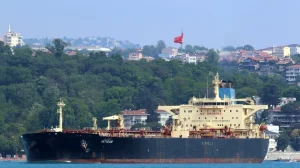
Tankers have changed direction quickly. Ships that were originally heading for other places in Asia have now turned towards ports in India after the waiver was issued. For example, the Maylo and Sarah (carrying Urals oil) have changed from appearing to be going to Singapore. The Oasis and Noble Walker, loaded with ESPO oil from Russia’s Far East, have also changed from routes that originally suggested they were going to China.
These changes in direction show how quickly the market for oil being transported by ship can adjust when rules and risks change. For India, changing the routes cuts down on how long the ships take and reduces costs for having to wait, and provides an immediate supply of oil for large oil processing centers on the west and east coasts.
Policy calculus and market outlook
U.S. government officials said the waiver is a short-term solution to stabilize supply during the issues with oil from Iran because of the war. It only applies to oil already on the water, and is meant to avoid giving Russia new money. It doesn’t get rid of restrictions completely and is intended to fill a short-term gap in supply.
For India, this is as much about making sure it has enough energy as it is about the price. Because politicians are always aware of the risk of rising prices, getting the oil now helps protect the country’s fuel market. Oil processing plants also protect their profits by making sure they have a constant supply of oil, especially as some oil from the Middle East is delayed or costs more to ship and insure.
The situation is still developing. If problems around the Strait of Hormuz continue, Asian countries might continue to rely on oil from places other than the Middle East, including Russia’s oil from the Pacific and from countries in the Atlantic area. However, if Russian oil continues to cost more, it could reduce the benefit of price that was the main reason India started buying it.
In the short term, this purchase of 30 million barrels should keep Indian oil processing plants running and continue to export products. The amount of diesel and gasoline produced will likely stay the same, continuing to meet demand in India and in the wider region. However, the situation is fragile. Anything that makes the conflict in the region worse, new sanctions, or an accident involving a ship could again reduce supply and increase prices.
In the longer term, India will probably continue to get its oil from a variety of places to avoid being too dependent on routes that could be blocked. This could mean buying more oil from West Africa, the U.S. and Latin America as well as Russia, depending on price differences and what is legally allowed. The recent issues have made one thing clear: being able to quickly adapt, having a variety of sources and multiple options for supply are now vital to India’s energy plan.