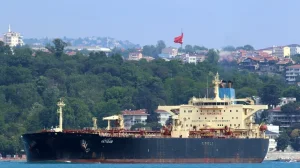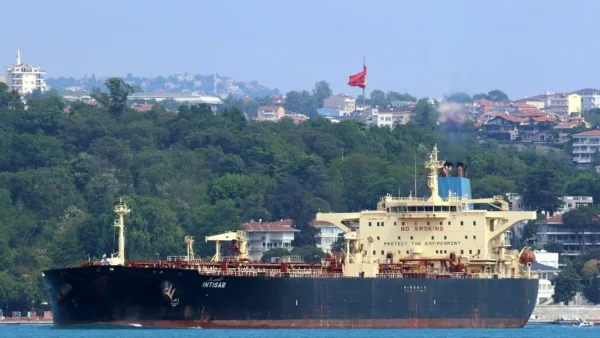
The tanker, the Ping Shun (built in 2002 and sanctioned by the U.S. in 2025), had been showing Vadinar on the west coast of India as its final stop earlier this week. But as it neared India, the ship changed direction and now says it’s going to Dongying in Shandong province, China.
Kpler’s tracking of ships shows that the tanker’s Automatic Identification System (or AIS) has been updated to say it’s going to China. These statements aren’t a firm promise and can change during the trip, but the new route suggests the ship really is going to China, and isn’t just giving false information.
If the oil gets delivered to China, it will avoid being the first shipment of Iranian oil to India since 2019. The oil, roughly 600,000 barrels and loaded at Kharg Island around March 4th, was expected to arrive in Vadinar on April 4th before it changed course.
Payment hurdles overshadow logistics
People following the tanker’s trip say it’s likely being rerouted because of how the payments will be made, not because of any problem with the ship’s ability to reach India. Iran is now requiring much quicker payment for its oil – right away or very soon – instead of the usual 30-60 days of credit, and this makes making deals with countries other than China harder.
A narrow window under a temporary US waiver
The U.S. made a temporary decision in late March to not enforce certain sanctions on Iranian oil that was already on ships. The U.S. Treasury’s Office of Foreign Assets Control gave a “general license” allowing transactions for certain shipments until April 19th.
That license includes oil that was loaded onto the tanker on or before March 20th, and even applies to shipments using tankers that are themselves sanctioned, as long as the oil itself meets the requirements of being at sea. The Ping Shun’s oil was loaded within the period of the license, so it is covered by it.
This license was meant to reduce the increase in oil prices because of the fighting in the larger region. However, even though the rules allow a one-time purchase, figuring out how to actually pay for the oil is a different problem. Many banks and companies that handle transactions still won’t deal with Iran for fear of breaking rules.
This difference between what the government says is allowed and how to actually move the money has made this short license a test of whether companies can actually complete the sale. Refineries can’t get the cheaper oil even when it is legally permissible for a limited time if they can’t reliably get the money to Iran.
Why SWIFT and bank risk matter
Even with the shipping routes open and the license in place, actually getting the money to Iran is difficult. Iran was removed from SWIFT (the global system banks use to send each other messages) in 12 and again had restrictions in 2018, and it’s still cut off. This makes standard invoicing and payment very hard.
In the past, Indian refineries sent payments in euros through a bank in Turkey, but that isn’t an option anymore. Therefore, each potential purchase becomes a unique financial challenge, increasing costs, causing delays, and increasing the risk for both the buyer and seller.
People in the industry say Iranian sellers are now demanding faster payments to lessen the problems with banking and following rules. When payment terms change like this, the deal’s financial benefit can shift during the voyage. The oil might be sent somewhere else if the buyer can’t quickly finalize the payment.
Sanctions against Iranian banks and past fines against financial institutions have made the industry generally cautious. Even with the temporary license, many banks won’t handle the payments because they are afraid of consequences later. This can leave potential deals stuck in a lot of paperwork.
As a result, the market isn’t fair. China, which buys most of Iran’s oil, has adjusted its trading and financial systems to manage these transactions. When other countries want to buy something, they often have to quickly put together their own solutions, usually needing other companies to help, and this often increases the cost and reduces any initial savings.
How refiners gauge techno-commercial feasibility
India’s oil ministry says they’ll only start to buy oil from Iran again if it’s actually practical from a technical and business standpoint. This means checking if the oil works with their refineries, how much of a price drop they’ll get, the shipping costs, insurance, and now how they will actually pay for it. Even if the price is good, without a clear way to pay, the oil might not be worth it.
Indian oil companies, including the privately owned ones, have looked into buying the oil while it’s on the ships (using the waiver). However, if they can’t get letters of credit, escrow accounts, or other ways of paying quickly enough, the deal might fall apart, and the Ping Shun tanker changing direction shows how easily this can happen.
India’s shifting crude slate and strategic stakes
India used to buy a lot of Iranian oil because it was cheap, they got a long time to pay for it, and Iranian Light and Iran Heavy oil worked well in Indian refineries. In 2018, about 11.5% of all the oil India used (around 518,000 barrels a day) came from Iran.
As restrictions on Iran got stricter, the amount of oil India bought from them fell to about 268,000 barrels a day between January and May 2019, when they were briefly allowed to buy some, and then stopped completely after May 2019. They started buying oil from the Middle East, the US, and more recently, cheaper oil from Russia.
India gets over 88% of its oil from other countries. And a lot of that oil goes through the Strait of Hormuz. Lately, between 2.5 and 2.7 million barrels a day of India’s oil purchases have gone through the strait, though the average over a longer period is closer to 40%.
If something stops the oil flow through the Strait of Hormuz, it makes the oil market tighter and shipping costs go up. While Iranian oil has largely kept flowing, conflict in the wider region has made other trade harder. Because of this, any extra oil that becomes available because of temporary changes in rules can affect prices and how much profit refineries make.
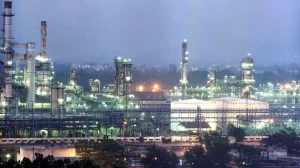
Vadinar, the Indian port the Ping Shun was originally headed to, has the Nayara Energy refinery (which is backed by Rosneft) and can process 20 million tonnes of oil a year. If the Ping Shun had delivered there, it would have been a significant step in India slowly starting to buy Iranian oil again, using the waiver.
China’s pull and the role of destination switching
China has taken the vast majority of Iran’s oil exports in recent years, and some people think China buys over 90% of it. Dongying, in Shandong province, is close to a group of independent refineries that frequently process cheaper oil.
It’s common for the destination of oil shipments to change when the oil is from a country that is sanctioned, particularly when ships in the “dark fleet” (ships that hide their routes or owners) are involved. Now that the temporary waiver is in place, these sneaky methods aren’t as necessary, which supports the idea that problems with payments caused the Ping Shun to change course.
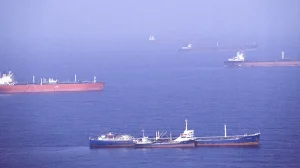
People in the oil market think about 95 million barrels of Iranian oil are currently on ships, and roughly 51 million barrels of that could be used in Indian refineries. If they can figure out how to pay for it, Indian buyers could get some of this oil, just like they’ve been able to do with Russian oil.
What to watch next
First, the information from the AIS (Automatic Identification System) can change. The Ping Shun could go to India again if a payment solution is found, but at the moment it looks like it will unload in China. To know what’s happening, it’s important to keep an eye on updates from the AIS, reports from port agents and any progress on getting letters of credit.
Second, prices could change if more Iranian oil is sold before the waiver runs out on April 19. More oil could reduce the current shortages, but if there are still issues with paying for it, most of that oil will still go to China, and won’t help the market much overall.
Third, this situation shows that now, both what is happening in the world politically and the details of the business deal are important. How much the oil costs, how long you have to pay, and being sure of getting paid will decide whether Indian refineries can actually process the oil from sanctioned countries, or if they’ll almost get it, but not quite.
In the end, the Ping Shun’s change in plans is a small but important sign. It shows that when it comes to trading in oil from countries that are sanctioned, having permission is important, but being able to move the money is even more so. Until the risk of not getting paid is reduced, ships will continue to take the easiest route, and for Iranian oil, that route is still to China.