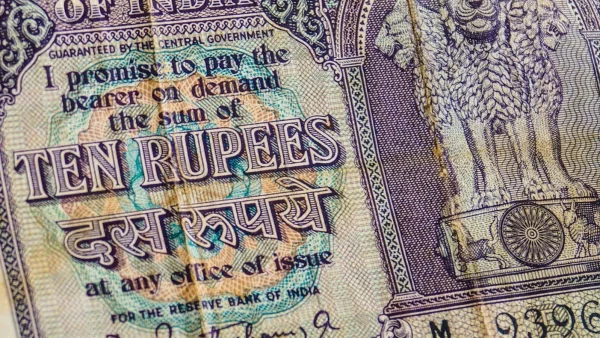
On Tuesday, the rupee was very close to 90 dollars, reaching nearly 89.9 in regular trading and going above 90 for a short time in overseas markets. Financial professionals say the government banks selling dollars as it neared 90 shows the Reserve Bank of India is trying to stop the rupee losing value too rapidly.
Why the rupee is sliding
This selling is happening because of a problem with carry trades around the world and a worsening of India’s balance of payments. Because the US and Japan have high interest rates, it is harder to get the cheap loans that investors were using to buy assets in developing countries like India. This reduces new investment and can even force investors to sell what they already have, which puts further downward pressure on the rupee.
In the non-deliverable forwards market (where people make agreements to exchange money in the future), the rupee is weaker than in current transactions, and this is a typical sign that investors outside India are preparing for the rupee to fall even further. Dealers say the rupee is being aggressively sold short, importers are buying dollars now, and exporters aren’t locking in exchange rates, all of which are causing the problem.
India’s economic situation isn’t helping. The current account deficit (the amount of money going out of the country versus coming in) has increased to $12.3 billion, or 1.3% of GDP, and the gap between the value of what India sells to other countries and what it buys from them is around 9% of GDP.
More gold being imported, less borrowing from overseas, and a slower increase in investments from outside have all made the balance of payments worse.
Exports to the US, which is India’s biggest market, have slowed because of higher tariffs between the two countries and because an agreement on trade isn’t happening as quickly as expected. This has kept the demand for dollars high, and there aren’t many dollars coming into the country at the moment, especially as companies are getting dollars to pay debts.
The 90 line: psychology and policy
90 rupees to the dollar is an important psychological and technical price for the exchange rate. People in the market say there are many orders to sell at just above 90, which would make the rate move even more if it breaks through. That’s why the Reserve Bank of India is expected to stay involved to prevent too much volatility as long as the rate is below 90.
Most treasury departments believe the central bank will defend 90 to 90.5 in the near future. What the central bank does this week with interest rates will affect this. A surprise cut in rates might make the rupee even weaker, while keeping rates the same or raising them could reduce speculation without suddenly reducing how much money is available.
In the short term, traders think the exchange rate will stay between 89.7 and 90, although it might go over 90 briefly if global events increase risk. If the exchange rate stays above 90, it could quickly go to 91, as funds that follow trends and companies buying dollars rush in.
Medium-term paths: what could change the narrative
There are two main ideas that people in the market are talking about.
A positive outcome: if India and the US can reach a good trade agreement and more money starts coming into India in the final three months of the year, the rupee could go up in a ‘relief rally’, and the USD/INR exchange rate could fall to 88.0 or 88.5 as those betting against the rupee buy it back and carry trades start again.
If the agreement isn’t reached soon and money doesn’t start flowing into the country easily, the value of the Indian Rupee (rupee) against the dollar is expected to be around 91-92 in the medium term, and in worse case situations, could go to 94-95. Even if the agreement is reached, analysts think India’s balance of payments for the year ending March 2026 might still be a little negative, if the trade deficit (importing more than exporting) stays high.
The Reserve Bank of India (RBI) will likely fill this gap by stepping in from time to time, selling rupees and agreeing to buy them in the future to lessen big, sudden changes in the rupee’s value, rather than trying to hold it at one specific level. The RBI has a lot of reserves and can use those to stop the rupee from dropping too quickly.
Winners, losers, and sector takeaways
A weaker rupee is good and bad for Indian companies. Businesses that sell a lot of things to other countries, like IT and pharmaceuticals, benefit because they get more rupees for their dollar earnings. However, big and quick changes in the rupee’s value make it hard to set prices and protect against loss, and customers might eventually ask for lower prices.
Companies that need to buy things from other countries are the first to feel the effects. Airlines, who pay for fuel, plane leases, and repairs mostly in dollars, have a double problem when the rupee weakens. For example, IndiGo’s parent company reported a bigger loss than expected for the period from July to September because currency changes wiped out their profits from their normal operations, and it shows how quickly currency costs can hurt.
Companies that have borrowed money in foreign currencies are increasing their protection (hedges) against those losses. A government-owned company that lends for infrastructure projects reported losses due to currency fluctuations this year and has quickly re-hedged their foreign currency non-resident (FCNR) and external commercial borrowing (ECB) debts, even though it costs more.
Financial managers say that if they don’t protect themselves when the dollar/rupee rate is moving around a lot, they risk even bigger losses.
Fortunately, global crude oil prices have dropped more than 6% this quarter, lessening how much fuel costs will increase. And if oil prices stay low and the rupee stays below 90, the rate of inflation might not get out of hand.
What it means for households and investors
Going on trips abroad and getting an education in another country will cost more as the rupee gets weaker. It’s helpful to send money home in smaller amounts and pay attention to when the dollar/rupee rate is at its highest to avoid paying the most.
Things we buy from other countries – electronics, more expensive consumer items, and gold – will probably become pricier if the rupee continues to lose value, although stores might increase prices gradually.
For people who live and work outside of India, money they send home will buy more rupees. This is a positive for their families.
For those who invest money, when the rupee’s value is fluctuating, the extra return investors expect from stocks goes up, and bond yields may rise a bit. A mix of investments, carefully choosing companies that export things, and wisely using currency hedges can help lessen the negative effects of the swings in the rupee.
Key data and signals to watch
The RBI’s policies regarding money in the economy, the actions it takes to manage money supply, and any indication it’s selling more dollars are important.
Also important are the US Dollar Index and what people expect US interest rates to do, especially after announcements from the Federal Reserve.
The difference between how the rupee is traded in India and offshore (NDF spreads versus onshore spot) shows how much stress there is in offshore trading positions.
Money coming from Foreign Portfolio Investors (FPIs), the amount of ECB debts, and news about trade agreements all matter.
Oil prices and how much gold India imports, because these affect the trade balance, are also key.
The current account deficit (CAD) and the balance of payments (BoP) for the last three and six months of the year will tell us how much money India needs from outside sources.
The bottom line
The rupee falling to a record low near 90 to the dollar is because of tighter money around the world, a worsening trade balance, and people being nervous about where to put their money. The RBI seems likely to prevent it from going past 90 in the short term, but where it goes in the medium term depends on the trade deal and money flowing back into the country.
Until then, the rupee is likely to go up and down, not just in one direction. Companies that buy things from other countries should be careful with their hedges, companies that sell to other countries can use periods of a strong rupee to lock in future exchange rates, and investors should watch oil prices, what the RBI is doing, and that 90 rupee mark.