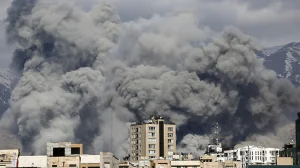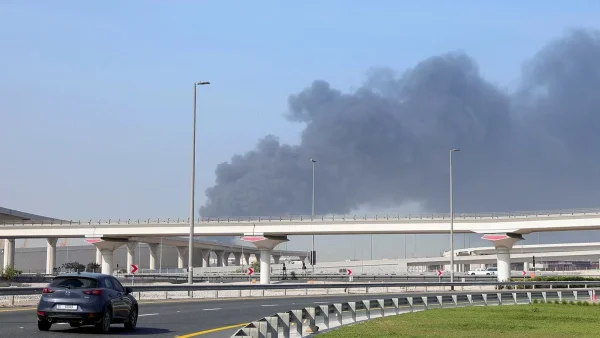
Loud blasts went off in Dubai, Doha and Abu Dhabi as Iran increased its use of missile and drone strikes against countries with US forces, and this conflict is now in its fourth day. People who live there said they heard things blowing up and saw flashes of light from bits of exploded shells in the air, while those in charge tried to figure out the damage and make sure important places were safe.
What the attacks hit and where
According to officials, Iranian military launched a lot of missiles and drones all over the Gulf area – at military bases, places where diplomats work, and energy facilities. News from the area said oil plants and locations linked to US military work had been hit, which made people more afraid that energy supplies would be badly disturbed.
At the same time, attacks happened further into Iran itself, where officials reported harm in the capital and said an airport and government buildings were among what was struck. Officials said important people in charge were killed in the first attacks on Tehran; this has caused more people to ask for careful checking and open reporting.
Explosions in Gulf cities and how defenses reacted
People in Doha, Dubai, and Abu Dhabi talked about loud booms and bright lines in the sky as things flew through the Gulf. Dubai authorities said much of the noise in some parts of the city was from defenses stopping attacks in the air, and said groups were keeping an eye on things to protect citizens and important buildings.
Authorities in other cities haven’t yet given full reports on the explosions people said happened, and emergency teams are still looking into it. Area governments have moved to protect key places and told people to get safety information from official sources.
Military actions and how the situation in the area is getting worse
It looks as though this newest set of attacks is part of a cycle of doing something back to the other side, which began with the US and its allies jointly attacking Tehran. Iran has described what it is doing as payback for those attacks, and has sent missiles and pilotless aircraft all over, including over waters used by international shipping.
On a different front, groups helping Israel have said they have been operating further into nearby lands to deal with groups that support Tehran. The fact that many countries and groups that are not governments are involved increases the chance of the fighting spreading, and makes it harder for everyone to know who is in command.
What’s happening in international relations and how governments are immediately responding
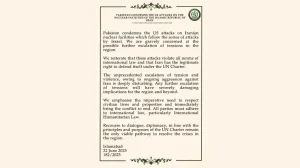
Some countries briefly closed parts of their airspace, which interrupted business flights and the movement of goods. Governments and global bodies have given warnings and asked for restraint to keep more civilians from being hurt and to prevent a big hit to the world’s markets.
Leaders have indicated they might do a number of things, from continuing to use military force to being cautiously open to talks, but only if certain things happen. Statements from capitals stressed that any future discussions would depend on a drop in tensions that could not be taken back, and proof that things would be different.
Danger to civilians, effect on the economy, and what to look for
Besides the immediate danger to safety, the attacks threaten energy supplies, shipping routes, and the trust investors have in the area. Harm to energy plants could make prices go up and cause tankers to be sent another way, while embassies and consular offices may limit what they do, affecting travel and trade.
People who study these things will watch for four signs in the days to come: proof of people being hurt and damage being done, what patterns the further attacks take, diplomatic efforts to stop the situation from getting worse, and changes in the military position of countries not in the area. Public safety groups and emergency planners in Gulf cities are still on alert as the situation changes.
This growing exchange is a dangerous time in a larger fight in the area. Officials and people who analyze events say that careful checking and calm diplomatic steps will be needed to keep the Gulf – and areas beyond – from becoming less stable.