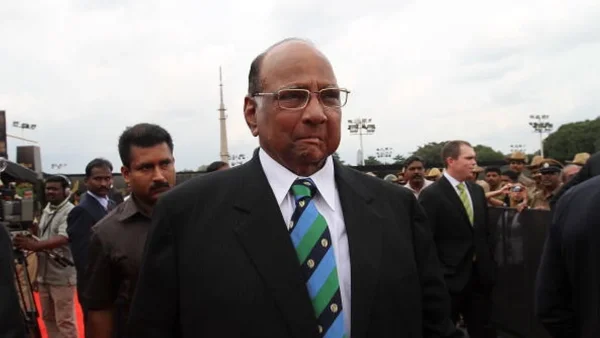
The MVA in Maharashtra has officially named Pawar as its one Rajya Sabha candidate, and Congress and the Shiv Sena – the Uddhav Thackeray group – are giving their approval. This solves a competition among the groups in the alliance for the one seat the opposition really has a chance to win in this election.
MVA Backs Sharad Pawar
Congress’s general secretary, Ramesh Chennithala, said the party’s leadership had decided to support Pawar, which brings Congress, the NCP – Pawar’s group – and Shiv Sena (UBT) together. This came after talks inside the parties, and shows a choice to put unity in the alliance first.
NCP leader Supriya Sule said publicly thanks to the groups in the alliance for their support. People who know what’s going on say the decision saw Pawar’s age and experience, and the need for a leader with experience as the party deals with recent losses and problems getting organized.
Maharashtra Rajya Sabha Election – What’s Happening
Maharashtra is picking seven people for the Rajya Sabha this time, and the numbers in the state mean the MVA can only win one seat. The alliance has 46 MLAs – members of the Legislative Assembly – in the state assembly, which isn’t enough to get more than one place.
How many votes are needed to win is worked out using a formula. With seven openings in Maharashtra, it works out that you need at least 36 MLAs to win a Rajya Sabha seat, which is why Pawar is the MVA’s best option.
When Nominations and Voting Are
Sharad Pawar will put his name forward on Thursday, March 5, before the vote on March 16. Rajya Sabha votes for 37 seats across 10 states are planned for that day; voting will be from 9 in the morning to 4 in the afternoon, and votes will be counted at 5 pm.
The Election Commission said votes must be marked using a violet sketch pen given to people by the official in charge of the vote. People watching the polls will be there, and the commission has run a lot of campaigns to get people to know about the EVM and VVPAT systems, using demo places and vans that move around.
Rajya Sabha – What the Numbers Are
The elections every two years cover 37 seats in 10 states, as several members’ times in office end in April. Of those 37 seats, 12 are held by the party in power and 25 by the opposition, which shows how important each election is.
Maharashtra alone has the most openings – seven – and other states have more than one. These numbers will change the balance of power and the power of national parties to push through laws in the Upper House.
What the Choice Means – Nationally
Choosing Sharad Pawar again shows the MVA wants to keep a known, good voice in Parliament. Pawar has been a national figure for a long time, and if he stays in the Rajya Sabha, the alliance will be able to affect what is talked about and what policies are made at the national level.
The choice also shows how the groups in the alliance have been negotiating with each other. Congress at first thought about other people, but agreed to Pawar to keep the alliance working together, and to use his importance while the party goes through a change in leadership and is being reorganized in the state.
What Happens After Nominations End
After nominations end on March 5, people will start to formally campaign among the MLAs, and people will see if any groups change their plans at the last minute, which could change how many seats are expected to be won. Counting the votes on March 16 will give a clear idea of how things in the states affect who gets into the Rajya Sabha.
For the MVA, winning this one seat is a win both in what it means and in what it does – it makes the groups in the alliance closer, and makes sure a clever, experienced person stays in national politics during a very important time for elections.