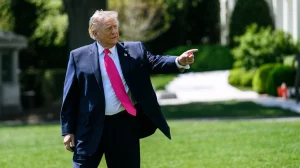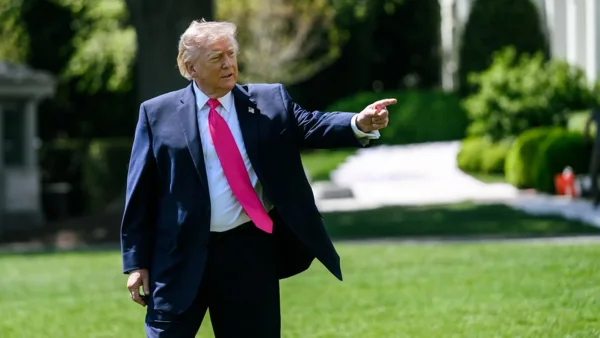
President Donald Trump signed a short-term law on Saturday, continuing the controversial surveillance powers of Section 702 of the Foreign Intelligence Surveillance Act until April 30th. This prevents the powers from stopping right now, but will cause another political battle as Congress tries to figure out how to deal with national security and worries about civil liberties.
Background on Section 702 and the authority
Section 702 allows the U.S. intelligence groups to get and study the communications of people outside of the United States without getting a warrant for each one. Groups like the CIA, NSA, and FBI use this power to watch phone calls and other conversations from overseas to prevent terrorism and gather information about other countries.
Because this program is aimed at people who are not in the U.S., it sometimes picks up on conversations that include Americans who are talking to, or are being contacted by, those people overseas. This accidental gathering of information is at the center of the arguments about privacy, what the government does with the information, and what rules are in place for how the government can access it.
How the short-term extension unfolded in Congress
Congress quickly approved this temporary fix, the Senate passed it on Friday to stop the authority from expiring in just a few days. Leaders acted fast because longer proposals to renew the power failed, and they wanted to be sure there wasn’t a break in intelligence gathering.
Republican leaders wanted to renew the power for 18 months, and without changes. Republicans in the House of Representatives suggested extending it for five years, with some changes to answer the concerns of those who are doubtful. Both of these longer-term ideas fell apart, which led to the short-term extension that lasts until April 30th.
Civil liberties concerns and proposed reforms
People who defend civil liberties, and some politicians, want much stricter rules about getting access to information without a warrant, and they want the government to be more open about what it’s doing. A lot of them say you should need a warrant before people who are analyzing the data can look at things that might include Americans’ emails, phone calls, or texts.
Other changes suggested include better rules to limit how much information is collected, having someone independent check the work, and more specific requirements for what information can be searched for. This would reduce the amount of accidental collection. Those who support the power say that any of these changes must still allow the government to be flexible and be able to find threats, while also dealing with privacy issues.
Intelligence community perspective and national security arguments
Officials and some politicians say Section t02 is vital for getting important and useful intelligence in a timely way. They say the program has stopped attacks, followed people from other countries, and helped our allies, without causing too much trouble with privacy.
Those in favor of the program argue that if the power is stopped, it will create gaps in intelligence and make it harder to investigate things that involve communications crossing borders. This short-term renewal is a compromise to keep things as they are now while Congress thinks about making changes.
What comes next and the legislative timeline
Congress now has a much quicker schedule to work out a longer lasting solution because of the April 30th deadline. Politicians will likely look at the different bills again, changes about warrants and oversight, and possible compromises to get more support.
This temporary fix doesn’t solve the main disagreements. We can expect a lot of careful examination by committees, arguments on the floor of Congress, and likely some negotiation about the standards for searching, how the courts are involved, and when the authority will expire. Both Democrats and Republicans are trying to find a way to balance security and personal freedoms.
In conclusion, the short-term renewal keeps Section 702 working, but the deeper problems haven’t been taken care of. As April 30th gets closer, politicians will have to find a way to balance the need for national security and changes to protect privacy to find a lasting solution.