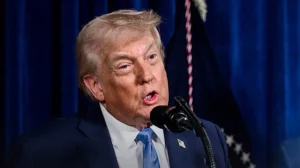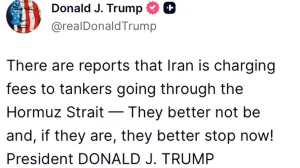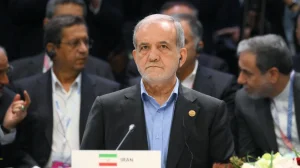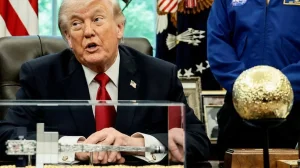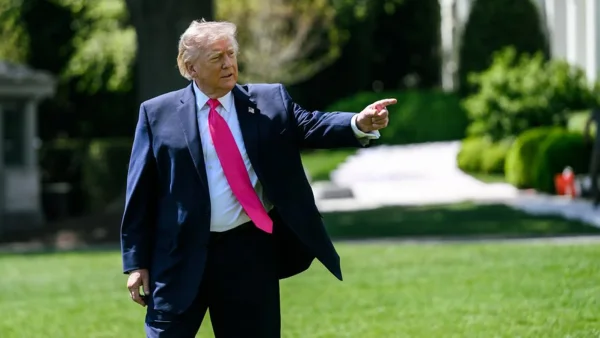
Donald Trump, who used to be President, has stated that the U.S. will get what he called “nuclear dust” from B-2 bomber attacks, and Israel is no longer allowed to bomb Lebanon. He says Iran won’t be paid anything for the weapons material, and the U.S. will take care of Hezbollah “appropriately.”
Trump’s ‘nuclear dust’ claim and the B-2 strikes
Trump says this “nuclear dust” is what’s left over after B-2 bombers are used and insists the U.S. will secure it from Iran without giving Iran any money. He describes this as solving a long-term nuclear problem without costing anything, but he didn’t give any specifics about what the material actually is or how it will be tracked.
Experts will want to know exactly what "nuclear dust” means, both in terms of the science and the law. This isn’t a common phrase when discussing arms control, and there’s no immediate word on how this material will be identified, moved, or safely kept following international rules.
U.S. prohibition on Israeli strikes in Lebanon
In his announcement, Trump said the U.S. has told Israel to stop bombing Lebanon “for good” and wants fighting to stop right away. He says the U.S. is directly stepping in to end the increasing violence on the Lebanon border, and that “enough is enough.”
This statement seems to be to force Israel to stop its operations within Lebanon, at least for the short term. It’s not yet known if this ban on bombing depends on anything, is only for a limited time, or is part of a larger diplomatic agreement tied to more widespread talks in the region.
Ceasefire context and conditions on the ground
A ceasefire of ten days between Lebanon and Israel has just begun, and people who left their homes are starting to go back to the south. This ceasefire is part of the larger attempt by the U.S. to decrease the fighting and try to find a solution with Iran – and Iran says Lebanon must be included in any agreement.
Even as people return home, Lebanese officials say the ceasefire has already been broken. While the truce might reduce harm to civilians immediately, people are worried about how well it will be enforced and about incidents on the border which are causing arguments, and how these will affect a lasting peace.
Hezbollah, U.S. posture, and separate handling
Trump was clear that the nuclear material and the situation in Lebanon are separate. He promised the U.S. will “deal with Hezbollah in an appropriate manner,” which implies a separate plan to deal with the group (Hezbollah) which is supported by Iran, and this plan will likely involve security measures.
This position regarding Hezbollah raises questions about what the U.S. will actually do – will they use force, or will they use diplomacy? And how will anything the U.S. does work with Israel’s need to defend itself, while also respecting Lebanon’s independence and international laws?
Regional diplomacy and the role of Iran in negotiations
Getting the nuclear material and demanding the ceasefire in Lebanon both seem connected to the bigger negotiations with Iran. Iran has been saying a ceasefire in Lebanon should be part of any broader agreement for the whole region, and the U.S. statements may be a way to get an advantage in talks with many parties.
How countries in the Middle East view what the U.S. says will be important. Both allies and enemies of the U.S. will be looking to see if the U.S. follows through on its words, how things are checked to make sure it’s true, and if any official agreements are made that turn these statements into commitments that can be enforced.
Unanswered questions and international implications
Important questions are still unanswered: What is "nuclear dust“? What laws will cover how it is transferred? And how will the U.S. stop Israel and Lebanon from fighting again? The rest of the world will likely ask for ways to openly check and make sure things are safe to prevent the situation from getting worse.
As of now, Trump’s announcements change the U.S.’s position in the conflict and bring up immediate diplomatic and security problems. How to make things clear, work with other countries, and protect civilians will be central to whether these claims actually lead to a lasting change in the area.