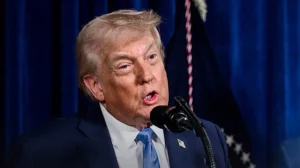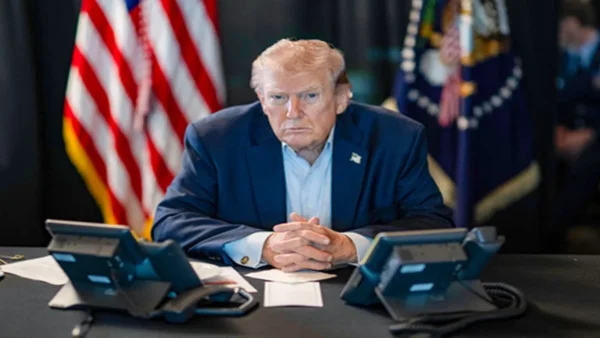
On Wednesday, Donald Trump, as President, really stepped up his criticism of Iran, telling Tehran to “get smart soon” and accept a deal that isn’t about nuclear weapons. He said all this in a strong message on Truth Social, declaring “NO MORE MR. NICE GUY!” and becoming more aggressive as the discussions about Iran’s nuclear program and safety of shipping in the region continue to be unclear.
What Trump said and why it matters
Trump wrote that Iran is unable to manage things, can’t seem to finalize a deal not relating to nuclear weapons, and had better become sensible quickly. He signed his name as ‘President DJT’, making it clear that he personally directed and approved the message.
The message had a dramatic picture of Trump with a rifle in front of explosions and the caption "NO MORE MR. NICE GUY!” The image and the words he used show that he’s ending what he considers to be a restrained approach, and increasing the pressure on Iran.
Strait of Hormuz proposal under review
Trump’s statements came after news that he isn’t pleased with Iran’s latest idea for reopening the Strait of Hormuz and ending the conflict. The White House did say Trump and his staff were thinking about Iran’s offer to restore shipping on the waterway, but news sources say the President is doubtful.
Iran has this week given a plan that would reduce its control of the Strait of Hormuz, while the United States would stop blocking Iran’s ports in response. They’re still negotiating, including about Iran’s nuclear program, but it’s not obvious how to move forward.
Key positions outlined so far:
– Trump: Iran must agree to a non-nuclear deal soon
– White House: Reviewing Tehran’s maritime proposal
– Marco Rubio: Better than expected, strict safeguards needed
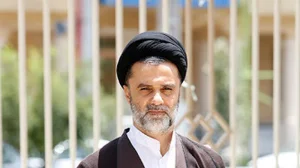
– Reza Talaei-Nik: US must drop illegal, irrational demands
Dueling messages from Washington and Tehran
Marco Rubio, the US Secretary of State, said Iran’s proposal is “better than what we expected”, but said any deal has to “completely stop them from quickly creating a nuclear weapon”, showing how firm the US is about this point.
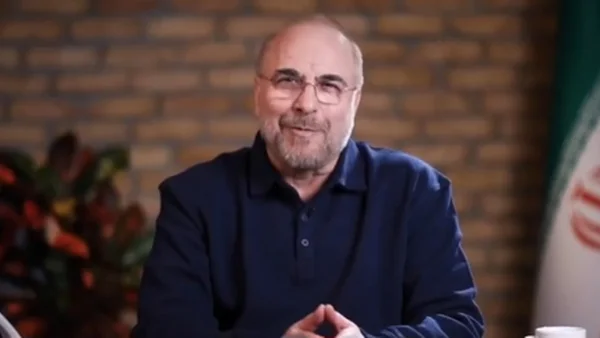
Reza Talaei-Nik, a spokesperson for Iran’s defense ministry, responded that the US “needs to abandon its unfair and unreasonable requests”. He added that the United States “isn’t in a position to tell independent countries what to do”, showing Iran will not give in to external demands.
State dinner remark adds pressure
At a formal dinner on Tuesday with King Charles III of Britain, Trump said Iran has been “militarily defeated”. This was his first public statement on the issue during the King’s visit, and it showed that his more aggressive viewpoint is in line with his polite, ceremonial statements.
Trump then said, “We will never allow this enemy to have a nuclear weapon.” He later repeated his insistence on a non-nuclear agreement online, and said the US will definitely prevent Iran from getting a nuclear weapon.
What comes next
The White House is looking at Iran’s plan for shipping in the region, and Trump’s more aggressive language is making the chance of any new negotiations very difficult. Reports that the President is doubtful suggest it will be hard to reach an agreement unless Iran agrees to much stricter conditions.
Now everyone is waiting to see if the US will give Iran an official reply, and how Iran will respond. Any progress will probably depend on actual limits to Iran’s nuclear work, and similar moves by both sides regarding access to the waterways and economic sanctions – as both sides have said.