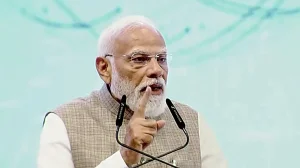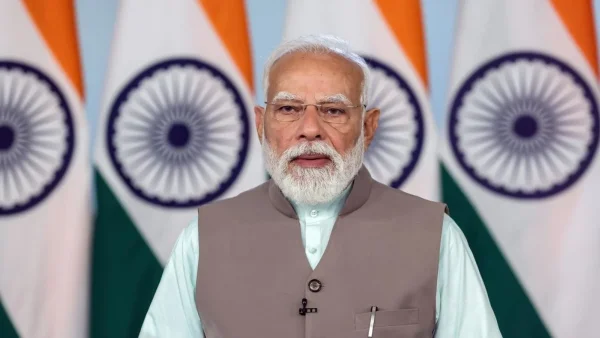
Prime Minister Modi had a conversation with the Crown Prince and Prime Minister of Saudi Arabia, Mohammed bin Salman, about the increasing problems in the Middle East and what those problems will mean for the wider world. Modi shared on X (formerly Twitter) that both of them are worried about stability in the region, protecting important things, and keeping trade and energy routes open to all countries.
Details of the bilateral conversation
Modi said he spoke with Prince Mohammed Bin Salman about the conflict currently happening in the Middle East. The two leaders looked at what has happened recently and how much danger there is to the flow of energy and to commercial ships, and this includes risks for India.
Both leaders agreed to continue to use diplomatic ways of dealing with the situation and shared their opinions on lessening the tensions. They emphasized that a joined-up response is needed to keep a certain order in the area, and to avoid anything that could make the fighting get worse or stop important trade and energy supplies.
Maritime security and freedom of navigation
A main result of the phone call was agreeing that ships must be able to travel freely and that shipping routes must be open and safe. This shows concern for important narrow waterways like the Strait of Hormuz, where issues have already caused problems for oil tankers and have increased the cost of insurance for the journey.
Safe sea routes are important for both those who sell and those who buy. If shipping continues without interruption, the ups and downs in the cost of shipping and energy will be less extreme, and it will help supply chains that support factories, farming, and people getting energy in their homes throughout the region and in other places.
Energy infrastructure risks and economic stakes
Modi once again said that India strongly disagrees with attacks on energy facilities in the Middle East. Damage to pipelines, places that refine oil, and ports can cause a series of problems, pushing up prices and causing shortages in countries that depend on supplies from the Middle East for energy.
The financial impact goes beyond oil and natural gas. If ports close or there’s a risk to groups of ships traveling together, the cost of shipping anything that isn’t energy-related will go up. For countries that buy energy, keeping the infrastructure safe is a key financial goal, and is also connected to the country’s own safety and security.
Diplomatic coordination and regional implications
The phone call demonstrates Saudi Arabia and India working together to deal with the effects of the conflict. Saudi Arabia’s communication with India shows they continue to have a strong strategic relationship, and the fact that they share the same ideas about safety on the seas could influence international cooperation to make trade routes safer and prevent more attacks.
This conversation took place after other discussions between leaders of countries in the area and around the world, and these all focused on keeping these narrow waterways open. Working together diplomatically might stop misunderstandings and encourage actions that will protect civilian ships and trade, even with the bigger competition between countries.
Impact on the Indian community and energy imports
Modi also thanked the Crown Prince for continuing to support Indian people who are living in Saudi Arabia. Making sure people from India are safe during times of trouble is a key part of government policy. This involves providing help from the Indian consulate and working closely with the Saudi Arabian government to make sure people are safe and can get the services they need.
Because India gets a large amount of its oil from the Gulf countries, having secure access to shipping routes is directly linked to how much people pay for fuel in India, and to India’s plans for energy in the future. The discussion between Modi and Bin Salman emphasizes India’s two main aims: protecting Indian people living abroad and guaranteeing a continuous supply of energy through safe shipping and navigation.