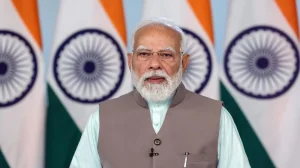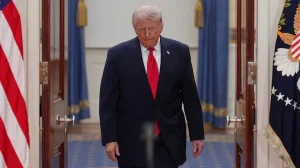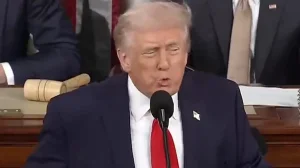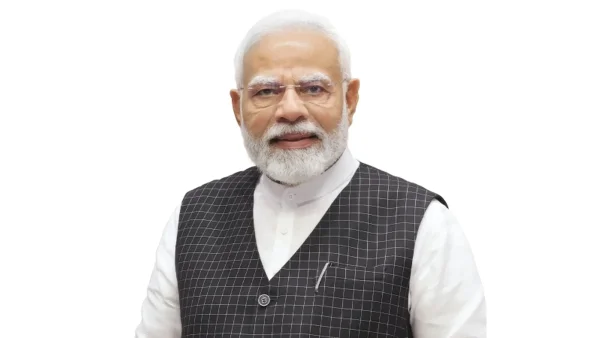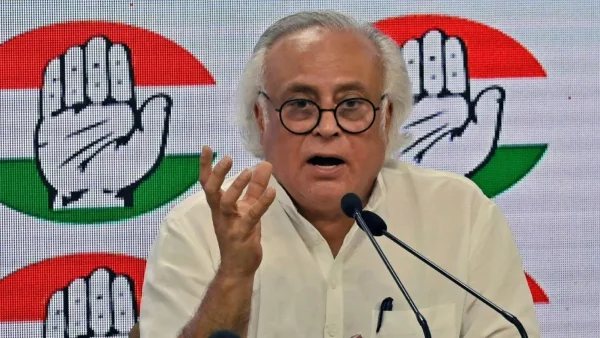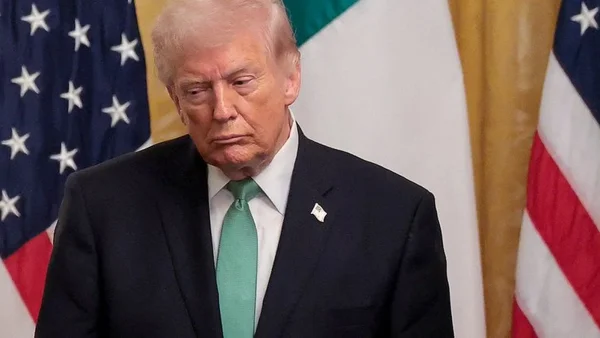
Donald Trump and Narendra Modi, the Prime Minister of India, had a phone call as tensions in the Middle East increased. Both leaders want the Strait of Hormuz to stay open to shipping and protected. This quick conversation showed how worried they are about shipping, getting energy, and lessening the crisis in the region.
Leaders discuss Mideast crisis and maritime security
The U.S. Ambassador to India said the two leaders talked about the Middle East situation, and keeping the Strait of Hormuz available for ships. Modi called the phone call ‘helpful’ and stated India wants a quick calming of the situation and peace returned.
Both leaders focused on keeping the seas safe and protecting the routes that international ships use. They decided to continue talking with each other about trying to make the region more stable and to work together on anything that affects world trade and the flow of energy.
Strait of Hormuz at center of energy concerns
The Strait of Hormuz connects the Persian Gulf to the Gulf of Oman and a huge amount of the world’s oil travels through it. When there are problems there, it quickly affects markets around the world, and the costs of fuel, shipping and insurance all go up.
Recently, commercial ships have been attacked and their journeys interrupted, which has made countries that buy oil very worried. It’s important to keep the Strait open not only for crude oil, but also for refined oil products, natural gas, and fertilizer (which is used in farming and by industries) all over the world.
India’s stance: de-escalation and energy security
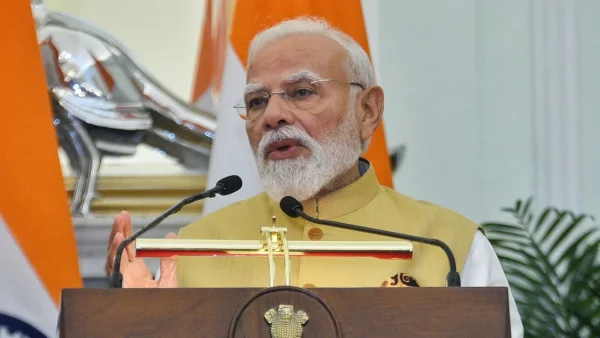
Speaking to parliament, Modi said any stopping of ships going through the Strait of Hormuz is ‘unacceptable’ and that India prefers to solve problems with diplomacy. He told the people in parliament that the government is following what’s happening and doing things to lessen the effects within India.
Modi said India has made sure it can continue to get the energy it needs by increasing the amount of oil it stores in reserve, getting oil from more places, and increasing how much oil it can refine. He said the oil reserves are more than 5.3 million metric tonnes and they are increasing those to over 16.5 million tonnes, to help if the supply of oil is suddenly interrupted.
Diplomacy, shipping safety, and regional contacts
Since the fighting started, Modi has spoken by phone with leaders in the area and in Washington D.C. several times. India is still in touch with the countries of the Gulf, Iran, Israel and the United States, and is saying that talking is the answer to the increasing tension.
An explanation from multiple government departments made it clear the Strait of Hormuz is a waterway open to everyone and ships don’t need to ask permission to go through it. Government officials told ship companies to think about when and how risky it is to go through, but emphasized that international law controls ships as they move through the strait.
Information shows that many countries are attempting to be peacemakers to reduce fighting and open lines of communication. The new diplomatic contacts are trying to prevent things from getting worse and threatening people, business and the important sea routes.
Potential implications for global markets and trade
The crisis has already caused energy prices to rise and trade routes to be disrupted, which impacts the availability and price of fertilizer and fuel. Countries that get their oil from the Gulf are facing unstable supplies and prices, causing leaders to look over their emergency plans and the oil they have stored.
Leaders have also been considering discussions to lower the tension. In what they have said publicly, one side has indicated that useful talks might be happening, while the other side says no official negotiations have begun. At the same time, the markets are very sensitive to news about attacks, potential attacks on things like oil refineries, and the safety of shipping routes.
The conversation between Trump and Modi showed they both want to maintain the freedom of ships to use the seas and to lessen the harm to the economy. As diplomacy goes on, people involved will carefully watch for actions that will make it safe again to travel through the Strait of Hormuz and to reduce the strain on the world’s energy and trade systems.