Several things working together are causing the national debt to go up so quickly. More and more people are reaching retirement age, meaning more people are using Social Security and Medicare, and so the government spends more on these programs. Also, the cost of having the debt is rising. The Federal Reserve has raised interest rates to try and slow down inflation, and that makes it more expensive for the government to borrow money.
The national debt has steadily increased in the last couple of years: it was $34 trillion in January 2024, $35 trillion in July 2024, $36 trillion in November 2024, $37 trillion in August 2025, and now $38 trillion in October 2025. In fact, aside from the huge emergency spending during the COVID-19 pandemic, this is the fastest that $1 trillion has been added to the debt in a single year.
The Role of Interest Costs
The amount the government has to pay in interest on the debt is a big problem for the budget. Michael A. Peterson, head of the Peter G. Peterson Foundation, says the US has paid about $4 trillion in interest over the last ten years, and is expected to pay $14 trillion over the next ten. These rising interest payments take money away from important government and business investments, potentially slowing the economy and impacting people of all incomes.
The non-partisan Congressional Budget Office (CBO) estimates that interest payments will go from $1 trillion this year to $1.8 trillion by 12035. This will use up a bigger part of the federal budget, so there will be less money for things like schools, roads, and scientific research.
The government had a budget deficit of about $1.8 trillion for the year ending September 30. Treasury Secretary Scott Bessent said the deficit was $350 billion lower than last year due to reduced spending and increased income, but the overall debt is still going up at a worrisome pace.
Federal Deficit and Budget Outlook
The CBO thinks the national debt owned by the public (a good way to measure how sustainable the economy is) will go from about 100% of the Gross Domestic Product (GDP) in 2025 to 120% of GDP by 2035. Each year the government could be in the hole $2.6 trillion by 2035, adding $22.7 trillion to the debt over the next decade. The government expects to spend $88 trillion (23.6% of GDP), and collect $65 trillion in taxes (17.5% of GDP). These spending amounts are much higher than they’ve been in the past and show how difficult it is to be fiscally responsible while still providing public services.
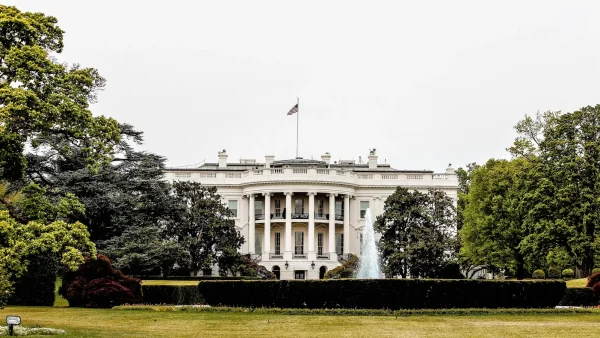
This fast increase in debt and deficits has caused arguments between politicians and financial experts about the need for big changes. White House staff say the current financial steps are making the US financial system more stable, because spending is under control and income is going up. However, independent experts warn that if politicians keep disagreeing and don’t fix the fundamental, long-term issues, the economy will be at greater risk.
Political and Economic Implications
Maya MacGuineas, who runs the Committee for a Responsible Federal Budget, says people are getting used to the government’s financial problems. She says that while Congress argues about parts of the budget, they aren’t dealing with the biggest costs, like Social Security and Medicare. If nothing is done to change these programs, the money in their funds could be gone in seven years, which would be a serious problem for people who are retired and for the economy as a whole.
What This Means for Americans
For typical people, the rising national debt will likely have a direct impact. The government having to borrow more money can cause interest rates on home loans, car loans, and all kinds of credit to go up. Inflation may continue if the government just borrows money instead of making real changes to how it handles its finances. And, over time, if the deficits aren’t checked, the government may have a harder time paying for important services like healthcare, education, and support programs.
The Path Forward
Politicians are under more and more pressure to find solutions to the debt problem that will last. Some ideas being talked about include controlling spending that isn’t required, changing how Social Security and Medicare work, and doing things to keep interest rates steady. How well the government can both continue to provide important services and be financially responsible will determine how the economy does over the next ten years.
As the US national debt goes above $38 trillion, it’s even more important to have a clear plan for government finances. Because interest payments are going to take up a larger and larger part of the federal budget, it’s critical to make changes that will last, to protect the economy and make sure future generations inherit a strong financial system.