A terrible fire at Birch by Romeo Lane in Arpora, North Goa, has caused 25 deaths and immediately brought up concerns about how well nightlife places follow fire safety rules. What has been found so far shows the club did not have the correct fire exits, used materials which caught fire easily, and was allowed to stay open despite pending action being taken, all of which made the disaster much bigger.
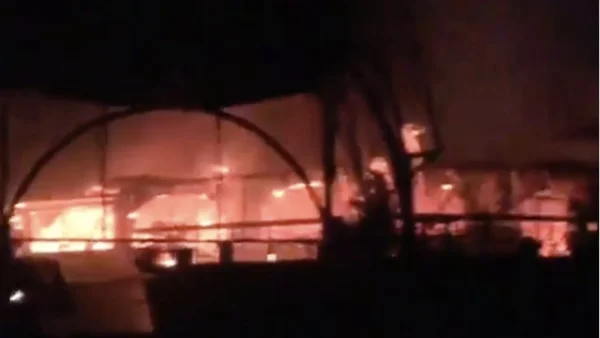
The fire began just after midnight and quickly grew. Police state most of the people who died were staff working in the basement, where there weren’t many ways to escape. Three people probably died from burns caused by a possible explosion of an LPG gas container. The rest likely died from breathing in smoke.
Officials have confirmed 25 deaths – four tourists and 14 staff – and seven of the dead have not yet been named. Six people are being treated in hospital for injuries. The bodies have been taken to Goa Medical College to be identified, and groups are helping families with the necessary paperwork.
People who saw what happened said the dance floor was very full when the flames suddenly began. Some of the people in the club ran down the stairs and ended up in the kitchen on the ground floor with the staff, and a lot of them were trapped. Social media videos showed fire coming through the roof and no fire-fighting equipment being used.
Initial checks show the venue did not have the fire safety permissions it needed. The authorities had previously issued an order to knock the building down, which was stopped, and the club went on operating. Officials said the place depended on only one narrow entrance which became blocked during the incident.
Why the Birch club did not have a fire exit
Investigators noticed that temporary buildings made of palm leaves and other things which burn easily were around parts of the club, making the fire spread faster. The kitchen was in the basement and did not have another exit, leaving the people working there at risk as smoke went up through the building.
The land the property was on was previously known as a saltpan, raising more questions about whether the building was approved structurally. All authorisations, licences and permits related to the project are being looked at by agencies to work out who is responsible.
Were fire safety rules ignored
Authorities said the nightclub had not stuck to fire safety rules. Early checks showed missing or not good enough emergency exits, signs, alarms and systems to put fires out. The narrow way to get to the venue made the risk worse by slowing down rescue work and reducing access for fire engines.
Local officials said they had checked the building before and found that building permissions were not in place. A notice to knock the building down was given but stopped. Investigators are now working together across departments to find out why the venue was still open and who allowed it.
What likely started the blaze
Police and fire officials say an LPG gas container explosion in the basement kitchen is thought to have started the fire. However, some people who saw what happened said they saw flames start on the first floor near the dance floor. Teams analysing forensic evidence are looking at remains to find the cause.
What is certain, authorities stated, is that three people died from burns which matched what would happen in an explosion. The rest of those who died, it seems, were overcome by smoke, because they were stuck inside, in places that didn’t have much air and didn’t have many ways to get out.
How the fire became so widespread
Investigators pointed to how easily things would burn – the decorations, and the short-term roof which had been made of palm leaves – as a major factor. Materials like these catch fire quickly, and can send burning pieces all over the place. Stairways and tight corridors probably acted as flues, sending heat and smoke into the ways people were trying to escape.
As the only entrance got crowded, people getting out slowed down. Because the kitchen was on the floor below, employees and customers going to the ground floor found a lot of smoke and increasing heat; these are things which can make someone unable to act within minutes.
The help that arrived, and what they did
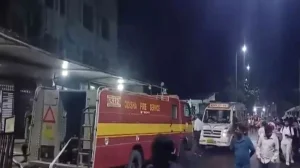
Fire crews had trouble getting to the building, as the roads leading to the club were narrow. Water trucks apparently had to park around 400 metres away, which made putting out the fire take longer and made the whole job harder. Authorities said this problem with getting in made controlling the fire, and rescuing people, a lot more difficult.
Six people who were hurt are being cared for in hospitals nearby. Groups helping people are assisting the families of those who died. Those in charge are trying to name the people who are still unknown, and arrange for them to be handed over to relatives.
What the government is doing, and the inquiry
Goa’s main government figure described the event as very upsetting and promised a complete investigation. He said that anyone found to be responsible for breaking the law – that is, the people running the club, and any officials who let it carry on working when it wasn’t following the rules – would be seriously punished.
Local people representing the area said that a check of fire safety in all nightclubs would begin right away. Businesses will be asked to give new fire permits. The permits of places which don’t have the right permissions will be taken away, they said.
The police have begun an investigation into what caused the fire, and claims that safety was not being properly observed. Legal action is being started at the same time as the fire service’s inquiry.
What it all means
The fire at the Goa nightclub shows a pattern which we have seen before, and which can be avoided: rules not being followed, materials which burn easily, and exits being blocked or missing, turning a situation which could have been dealt with into a large number of people being hurt or killed. As the investigation goes on, responsibility must go beyond those running the business, to include those who were supposed to be making sure it was safe.
The main points, quickly
All you need to know today is this: make the rules which already exist be followed, make unsafe places safe, and make sure that emergency services can get in. People’s lives are at stake.
For people who own or run places:
– Make sure there are at least two clear exits, with signs that are lit up.
– Fit and regularly check alarms, fire extinguishers and sprinklers.
– Don’t use decorations which can burn; use materials which are fireproof everywhere.
– Don’t put kitchens in basements, or give them a separate way out.
– Keep LPG safely, with ways of finding leaks and cutting off the supply.
– Give employees training, and hold practice evacuations every three months.
– Watch how many people are in the building, and keep passageways and exits clear.
How places and people using them can lower the risk
For people using the places:
– Find out where the exits are when you go in.
– Leave immediately if you smell gas or see smoke.
– Don’t use stairways full of smoke; stay low and follow the signs.
– Tell employees or those in authority if exits are blocked, or if there are too many people.