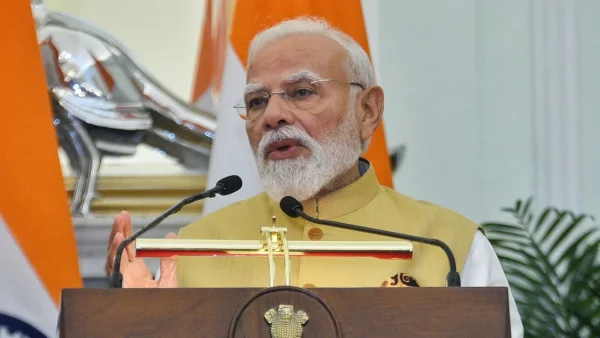
The Prime Minister, Narendra Modi, announced Rs 2 lakh would be paid – from the Prime Minister’s National Relief Fund – to the closest relatives of each of the people who died in the fire at the Trauma Care ICU in SCB Medical College Hospital, Cuttack, Odisha. He also said that patients who were hurt would receive Rs 50,000, and expressed his sympathy in a message on X.
What happened in the SCB Medical College ICU fire
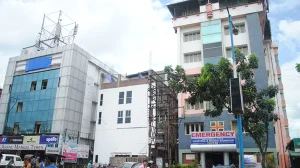
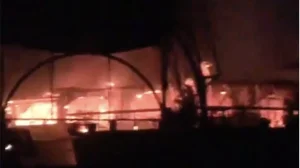
The fire began in the Trauma Care Intensive Care Unit early on Monday morning, at about 2:30 a.m. The fire affected the hospital’s Emergency Department, where patients who were very ill were being cared for. Firefighters and hospital workers reacted straight away.
Officials said that ten patients had died in the incident. At least eleven members of hospital staff were injured as they helped to get patients out and get the fire under control. Twenty-three patients were moved to other wards and departments as part of the emergency response.
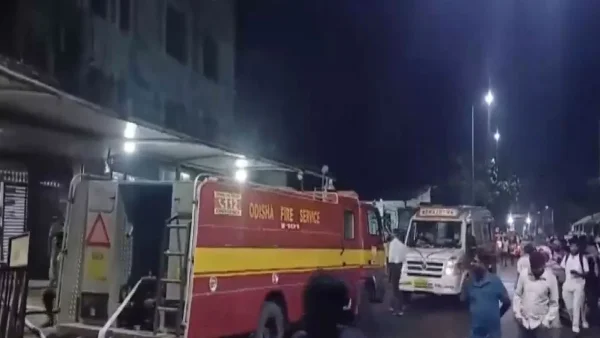
First reports show the hospital’s own fire team started to put the fire out, and three more fire engines were sent. The authorities have not yet found what caused the fire, and investigations are still going on.
Help from the government and what officials said
Prime Minister Modi announced that Rs 2 lakh would be given to the nearest relatives of everyone who died, from the PMNRF, and that the injured would be given Rs 50,000. He said how sad he was about the disaster, and wished a quick recovery to all those affected in his X message.
Odisha Chief Minister Mohan Charan Majhi went to the place where the fire had been and announced Rs 25 lakh in help from the Chief Minister’s Relief Fund for the families of the people who died. The Chief Minister also saw patients and relatives at the hospital, and promised the state government’s full support.
The state government ordered a legal inquiry into what had happened and told the hospital to move patients who had been affected at once to safe places. Officials stressed that medical care would not stop for everyone who was hurt or had to be moved.
How the hospital responded and how well prepared it was
Hospital workers were very important in the first rescue work, putting their own lives at risk to get critically ill patients to safety. A number of staff members got burn injuries while they were rescuing people. Emergency teams quickly moved patients to other units to make sure they continued to get care.
When more fire engines arrived, they helped to get the fire under control. However, the incident makes people ask about fire safety and how well prepared large, government-run health services are, when they serve thousands of patients.
Medical places often have difficult safety problems, including using oxygen, electrical demand, and wards that have a lot of people in them. This incident shows how important it is to have fire checks done regularly, to train staff, to have alarms that work, and to have regular maintenance of safety equipment.
Looking into the fire, who is to blame, and what happens next
A legal inquiry will find out how the fire began and if any mistakes in the rules helped cause the deaths. Authorities will look at CCTV recordings, logs of equipment, lists of staff, and records of maintenance to make a timeline and to find who was responsible.
Hospital managers and the health department must act on what the inquiry finds, and quickly put right what needs to be done. Open reporting will help to get back public confidence and to give clarity to the families of the victims.
What the victims and families need help with
Apart from money, families and those who survived need clear information, to be able to get further medical care, and help with their mental health. Hospitals should give advice and regular news on how the inquiry is going.
Local health networks and state bodies can work together to make sure that injured staff and patients get long-term care and help to get better. Being in touch quickly and with kindness will be essential for recovery after this terrible fire in the ICU.
The incident at SCB Medical College is a strong reminder of how easily critical care places can be damaged and of the human cost of safety not working. Officials now have the two jobs of helping those who have lost people and making sure that what is done to put things right stops the same thing happening again.