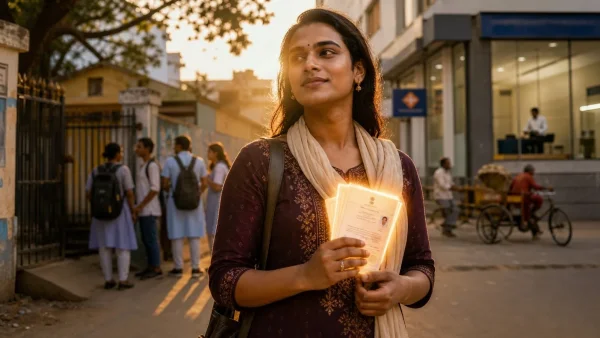
You can no longer put India’s battle for the right to self-determination in the realm of abstract law. It is the make-or-break factor for trans people trying to get an education, put in a day’s work, open an account at the bank or claim what the state is owed. That is what makes the new policy direction so pressing.
If your papers are in order with your gender as you live it, you don’t have to be made to feel out of place in a classroom or by HR. Lacking that kind of recognition means every form you fill out is an ordeal of being poked and prodded, put on hold or told no. For trans folks, the way to a steady job or to see out their schooling starts with being seen for who they are.
Why self-determination unlocks jobs and classrooms
Then there was 2014. The Supreme Court’s NALSA ruling put a name to the ‘third gender’ and the rights of trans persons. It called for legal ID, some leg-up in public jobs and universities, and welfare. In one stroke, it made the connection between who you are and what you can have.
But the 2019 Transgender (Protection of Persons) Act has been a different story. It has a way of talking about welfare rather than hard rights. Self-identification has been watered down, affirmative action is gone, and when it comes to making a living, the language is hazy. With no firm ground to stand on, the old gatekeepers are still in charge and the market is as closed off as ever.
You see the results in the paperwork. A few years back, if you were trans in India, you were often shut out of ration cards, voting, property and government schemes. These aren’t just for show; they’re what you need to put in for a scholarship or to be part of the economy.
From recognition to results
The numbers from the National Human Rights Commission in 2017 don’t mince words: 92% of trans Indians are kept from any kind of economic life. And of those who could be put to work, 89% said they were still being let go over how they present themselves.
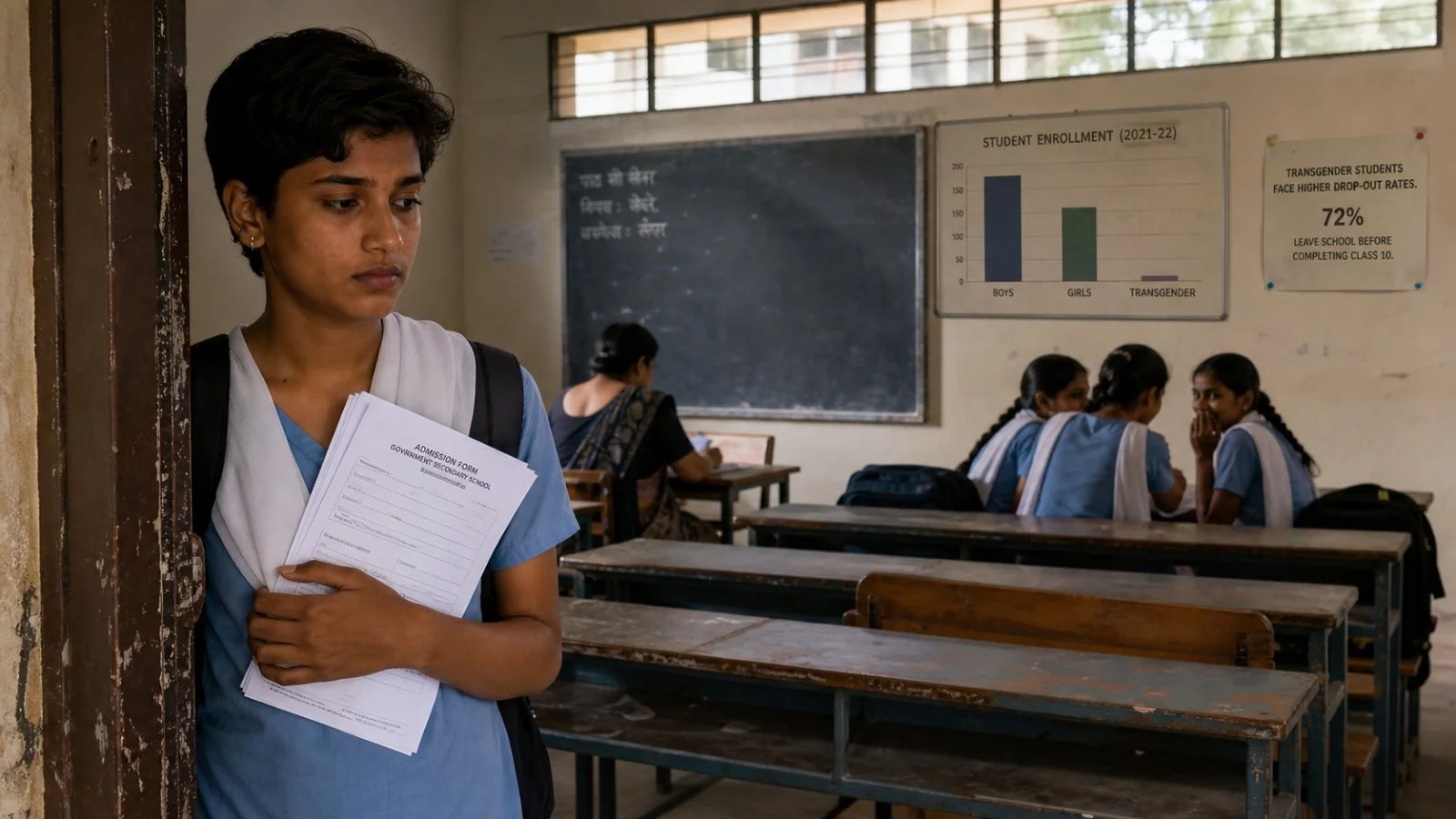
School is no easier. The 2011 census put literacy for the trans community at 56%. The NHRC has other figures showing 87% of trans and non-conforming kids have to drop out of the system, whether from the bullying or because there is no one to turn to.
And then there is the matter of where you sleep. The 2017 report says 98% of trans people are on their own, away from their families and without a roof they can call their own. Being put out for who you are has a way of derailing not just your education but your ability to save up or find a decent place to live.
A legal pendulum shaping daily lives
We have a long tradition of this in the region, be it hijra, kinnar, nupi-manbi, jogappa, aravani or shiva-shakti. The British came in and made it all black and white, putting a fine on anything else. Section 377 made same-sex relations a crime and put the mark of shame in the statute book.
Add to that the Criminal Tribes Act of 1871 and its 1897 add-on for ‘eunuchs’, and you had the makings of a system built on watchfulness and unannounced arrests. They may have done away with it in 1952, but the after-effects linger. Some states have found ways to keep on with the harassment of trans people in their line of work.
Even now, the 2018 softening of Section 377 hasn’t made the threat of criminalisation go away in the office or the schoolroom, as PUCL Karnataka was noting back in 2003. When there is a tussle over who you are in the eyes of the law, employers and institutions tend to fall back on a binary.
What the amendment debate means now
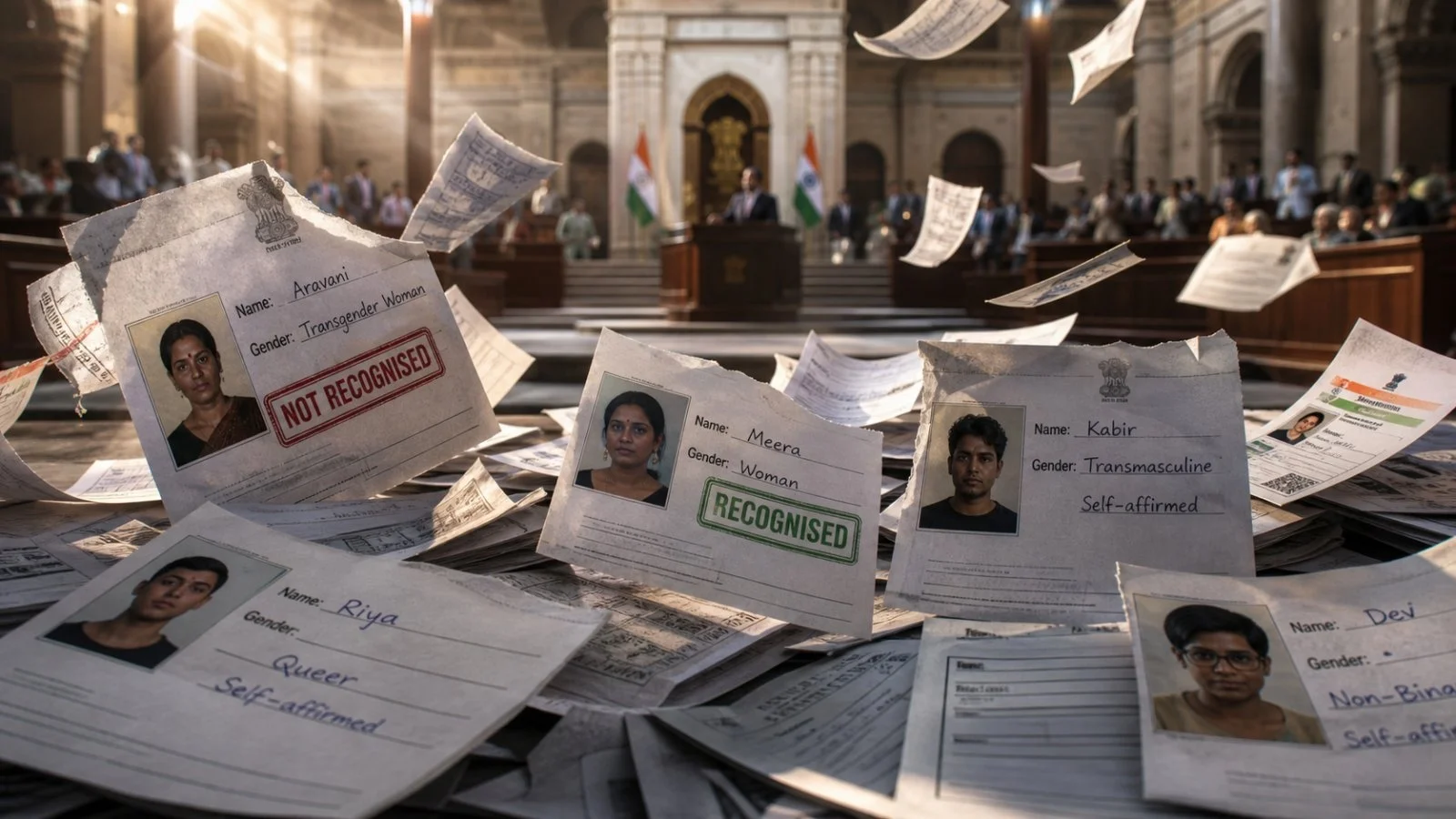
The 2026 Transgender Persons (Protection of Rights) Amendment Bill from Parliament has put that issue back in the spotlight. It does away with the old, more open-ended definition in favour of one that is tighter, making room for certain socio-cultural identities like hijra or kinner, but not for others.
It’s more than just a matter of words. A constricted view of who counts can be the difference between getting a certificate, a benefit, or some protection when you’re up for a job or trying to get into college. At a time when legal identity should be a non-issue for on-boarding and admissions, this kind of rule-making sows doubt.
The practical consequences of narrowing self-determination are immediate:
– School admission and exam records matching lived identity
– Hiring portals and HR verification without forced disclosure
– Access to reservations promised under NALSA directives
– Eligibility for welfare, housing and skill schemes
Colonial hangover, modern outcomes
Then again, the idea of recognition is hardly new in India. If you look at our past, from the Tritiya Prakriti and napumsaka of old to characters like Shikhandi and Mohini, we have a long history of a third gender. There was even some measure of social standing and patronage, for all the power plays that went with it.
But that has been chipped away. Today, with other avenues for a living closed off, a lot of trans people are left with no option but to turn to sex work or launda dance, whether they like it or not. You don’t see this because they want to; it’s what happens when you are shut out, and it only adds to the stigma.
Covid-19 exposed the fault lines
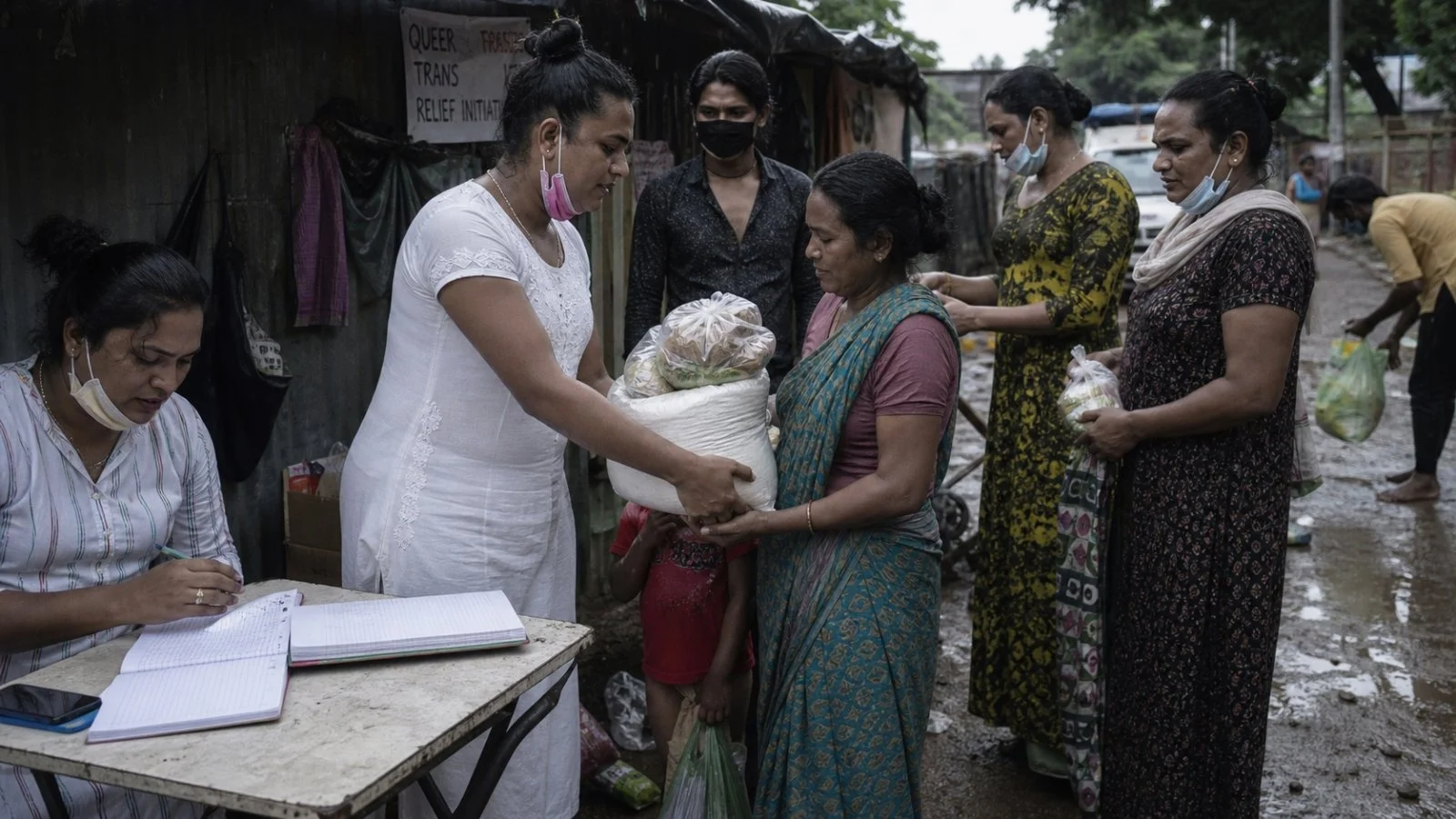
The last few years made things worse. The pandemic put an end to what little safety there was. In the countryside, trans organisations had to dip into their meagre funds to put food on the table during the lockdowns. Hard-won progress from years of hard work was undone in a matter of months.
That’s the backdrop for the Bengal Trans and Queer Charter of Demands, put together by 21 groups in West Bengal. They are asking for education and training that is actually sensitive to their needs, as well as for schemes that include them. You hear the same thing in the protests against the Trans Act all over the country.
What comes next
The way forward is laid out by the Supreme Court and by the community itself. Make legal recognition a reality on paper and in public sector jobs, and you give people a way in. Don’t, and you’ll have exclusion with a side of bureaucracy.
We also need to see the policy for what it is. We are starved of data on the lives of trans and gender non-conforming Indians. Outside of the 2017 NHRC report, there isn’t much. And if you don’t have the numbers, how is a government to plan for the classroom or the office?
Based on existing directives and public demands, immediate priorities are:
– Guarantee self-identification without medical or bureaucratic hurdles
– Implement affirmative action in public employment and higher education
– Establish school redressal mechanisms against bullying and exclusion
– Provide safe housing pathways linked to jobs and training
This isn’t some high-minded debate about rights and red tape. We are talking about the forms you have to fill to drop out, the shortlist for an interview, or whether you can get a loan. Self-determination is the key. Get it right and you can make a living. Get it wrong and discrimination seeps into your day-to-day.
So the argument over definitions is important. A narrow one will leave out anyone who doesn’t fit a box, and in a country with as many shades of identity as ours, that’s a risk. A self-affirmed approach, like NALSA called for, is in keeping with the constitution and gets you over the first hump.
India has seen its share of being accepted and being put down. Now we have to decide if we are going to let people be at the whim of welfare or give them rights they can stand on. If we want to let them in, we have to start with the right to be who they say they are.