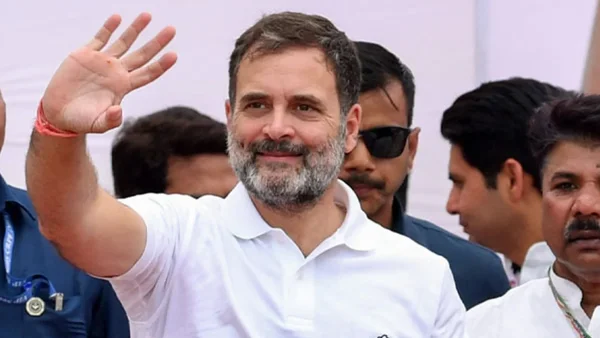
Rahul Gandhi, from the Congress party, said Tuesday that the Transgender Persons (Protection of Rights) Amendment Bill, 2026 is a ‘brazen attack’ on the constitutional rights and who transgender people are. He said his party will fight it hard. He considers the proposed law to be going backwards and accuses the government of lessening the long-held acceptance of transgender people in our culture.
Overview of the proposed amendment
The changes to the law are meant to give a very specific definition of ‘transgender’ and to add ways for people to be identified as transgender and protected. It was brought before the Lok Sabha (the lower house of Parliament) with the intention of making the legal category smaller, to be sure the benefits go to those the government says are transgender.
One important change is the creation of an “authority” which is a medical board. This board will be headed by a chief or deputy chief medical officer appointed by the central, state or union territory governments. The board can get opinions from experts and will have a major role in officially recognizing someone as transgender.
Key provisions and potential impacts
The bill says a transgender person ‘does not include, and never has included, people with different sexual orientations and how they themselves understand their own sexual identities.’ This wording means that people can’t define themselves as transgender to get recognition or protections.
The amendment also adds different levels of punishment, criminal penalties, and broader powers of surveillance without enough detailed protections. Those criticizing the changes say they could mean humiliating medical checks and lots of red tape which would restrict rights instead of protecting them.
Rahul Gandhi’s constitutional critique
Rahul Gandhi said this bill takes away transgender people’s ability to decide their own identity, and that this goes against a Supreme Court decision which said people should have the right to decide their gender. He accuses the government of breaking the Constitution and damaging fundamental rights like the right to life, freedom, identity, and dignity.
He presents this as part of a wider trend of swapping inclusive cultural ways of doing things for a narrow definition of identity which is imposed by the government. Gandhi says the Congress party completely opposes the amendment and will support transgender communities both in Parliament and outside it.
Legal and human rights concerns raised by activists
Members of Parliament from the opposition and activists have asked for the bill to be withdrawn, because they fear it will weaken the protections that already exist from the and 2019 law. Human rights supporters say needing medical approval goes against being independent and risks increasing the shame felt by a population that is already treated as being on the edge of society.
Lawyers point to the way this bill conflicts with previous court decisions which accepted the idea of gender self-identification. They also mention the possibility of violating the Constitution if surveillance or criminal punishments are used without clearly defined steps to make sure everything is fair.
Political response and likely next steps
The government says the amendment makes clear who will benefit from the law, but those against it say it was written without enough discussion with the transgender community. This lack of input from the people affected has made the political issues and public discussion even stronger.
A debate in Parliament and a review by a committee are likely to happen next. Civil society groups might take the law to court if it is passed as it is now. Experts on policy say that to protect rights, policies must be inclusive, involve the community, and follow what the courts have already decided.
Paths to a rights-respecting policy solution
A better approach would be to bring back and respect self-identification, get rid of the need for a medical board to give approval, and make sure any punishments or monitoring come with very strong protections. Policymakers should speak to transgender people directly and include their real-life experiences in the law.
This disagreement shows how much we need to be open and honest, and to base things on rights, when it comes to identity and protection. Any lasting change to the law needs to balance being clear about the rules with the guarantees in the Constitution and the dignity of the people most involved.