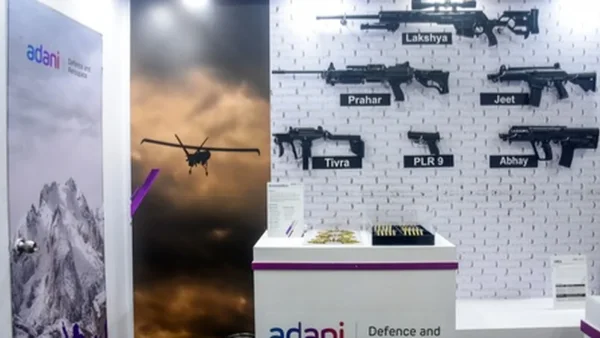
On Saturday, Adani Defence and Aerospace handed over those first 2,000 Prahar light machine guns to the Army, a big moment for making weapons in India. These 7.62mm guns were made at the company’s Small Arms Complex on the edge of Gwalior and were officially turned over to the military.
Delivery milestone and ceremony
A proper ceremony at the Gwalior facility celebrated the handover, and important people from both the defense forces and the company were there. A. Anbarasu, the DG Acquisition at the Ministry of Defence, started a group of trucks on their way with the first shipment of guns to the units that will actually use them. The event showed how well the industry and the government are working together.
Strategic impact and industry implications
People in charge said this delivery is a major advancement for the "Make in India” and “Aatmanirbharta” programs. Leaders at the company pointed out that this batch proves a private Indian company is now making complete guns, not just parts. Everyone was celebrating, but also focused on getting the guns into operation.
Production capacity and accelerated timeline
Adani Defence has a contract to supply approximately 41,000 Prahar LMGs, and they originally said it would take seven years. However, the company now believes they can finish the entire order in less than three years, given how quickly they are currently making them.
The company says they’re aiming to produce 1,000 LMGs each month after these initial 2,000. If they can keep up that rate, it would be an amazing amount for a small arms complex in India and would get the Army the guns they need much faster.
Manufacturing site and technology transfer
These Prahar LMGs were built at the Small Arms Complex near Gwalior using basic technology that they got from other companies. The company’s leaders stressed that it is important to learn and fully understand the core technology so that India can eventually make everything needed for these guns.
It took six years from submitting the bid for the contract to actually making the complete gun itself. This change shows both that private companies are investing in the ability to make things and that the government is helping to bring complicated defense production into India.
Technical profile and operational role
The Prahar uses 7.62mm bullets, a good size for keeping up a lot of fire and for distance in many different fighting situations. Because it is a light machine gun, it is meant to give infantry groups the ability to suppress the enemy, more firepower, and to last longer on the battlefield.
The Army will test the guns in stages to see how dependable they are, how easy they are to use, and how easy they are to maintain. Because they are being made in India and more quickly, it will be easier to get them to the troops and to make any changes or improvements based on what the soldiers say.
Getting this first batch of guns delivered early shows the government is committed to supporting Indian companies that make weapons. Officials said this delivery is proof that the industry can “work quickly and get things done” when a contract is turned into actual production.
For the whole of India’s defense industry, this project means opportunity. If this goes well, it might get more private companies involved, bring in suppliers, and create better paying jobs in making, checking, and fixing the weapons.
Logistics, oversight, and next steps
The trucks with the Prahar LMGs were sent off with the government watching over things. The company said they have been working closely with the people in charge of getting weapons for the defense forces to make sure the guns are good quality and are delivered on time.
Going on, continuing to make 1,000 guns a month and carefully testing them in the field will lead to the Army fully accepting and using them. If the company meets its goal for production, the Indian Army could quickly get a lot more firepower at the level of the individual squad, and these LMGs will be made in India.
In conclusion, handing over the 2,000 Prahar LMGs is more than just one shipment. It shows that India’s defense manufacturing is becoming more mature, weapons are being made in India much faster, and the "Make in India” and “Aatmanirbharta” goals are actually happening. How well the company continues to do and how much it expands will decide how much the armed forces and the defense industry benefit in the long run.