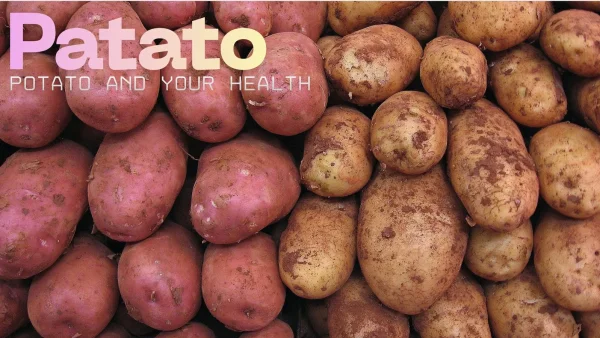
For many, many years, the potato has gone from fields in the Andes Mountains to kitchens all over the world – at first as a basic crop that kept people alive, and then as something that could be used in many different ways in cooking, on every continent.
In traditional cooking – mainly in South Asia and Europe – potatoes weren’t just valued for the calories and how long they could be kept, but also for how many ways they could be used: boiled, steamed, roasted, mashed, or put in stews and breads that had a lot of vegetables.
This role in the past is important now, because these days people want things that are easy and good for them, and the potato is both: it lasts on a shelf, is plant-based, gives us energy, and has several micronutrients that can fit into different ways of eating – from Indian thalis with no meat, to meals in the West.
Today’s nutrition research asks a more exact question: apart from calories, what real effects on health does eating potatoes have, and how can cooking and what you have with potatoes give you the most good, and the least bad?
The nutrient content of potatoes – simple, with a nutrition perspective
A medium potato, eaten with its skin, has a lot of good things in it: carbohydrates in the form of starch (including starch that resists digestion), a lot of potassium, a fair amount of vitamin C and B6, fiber (especially in the skin), and very small amounts of minerals like iron, magnesium and phosphorus.
Because potatoes don’t have much fat, and don’t have gluten, they’re a cheap source of energy and micronutrients in a lot of diets around the world.
What’s important is that how much of the good things in a potato changes depending on what kind it is, how it’s cooked, and whether you eat the skin – a lot of vitamins and minerals are in the skin, or right under it. From a practical nutrition point of view, this means a boiled or baked potato, eaten with its skin, will give you more potassium, fiber and vitamin C than a peeled potato that’s been fried a lot.
Traditional knowledge and modern science — complementary perspectives
Traditional cooking often uses potatoes with other sources of nutrients – lentils, milk, ghee, and spices – to balance the macronutrients, and add herbs that help digestion, or reduce swelling. Ayurvedic and folk medicine also say potatoes can be used on the skin and eaten (for example, a paste from potatoes for small skin problems).
Modern science isn’t proving everything folk medicine says, but it is making clear how some of the good things work: the vitamin C helps make collagen and keeps skin healthy; bioactive phenolics like chlorogenic acids help with antioxidants and reduce swelling; and starch that resists digestion acts as a prebiotic that changes the gut microbiota and affects how our bodies use food, and even how our brains work.
Having traditional foods with potatoes – potatoes with beans, vegetables, and spices – often makes for more balanced meals than eating potatoes on their own, which affects how the body uses sugar, and the nutrients you get.
Skin and cellular health
Potatoes have vitamin C, an antioxidant that mixes with water, and is needed to make collagen, and to protect cells – including skin cells – from damage by oxidation.
Having enough vitamin C in your diet helps wounds heal, and keeps the structure of the skin; eating whole foods that have vitamin C – like potatoes eaten with their skins – can be one part of a diet that’s good for the skin. In folk medicine, people have reported using raw potato on the skin (for a short time, to calm small swelling), but modern clinical science supports the role of vitamin C mainly through eating it, or using products for the skin that have it.
So, while eating potatoes gives you vitamin C and other things important to fixing cells, expecting big changes in how your skin looks from potatoes alone, rather than folk medicines for the skin, isn’t supported by good research.
Anti-inflammatory effects
Potatoes have polyphenolic compounds – mostly chlorogenic acids – that act as antioxidants and reduce swelling in lab studies, and in animal studies, and in wider looks at chlorogenic acids in diets.
These compounds can change signals that cause swelling, and take away reactive oxygen species, which are reasons why tissues swell less in studies that aren’t on people.
In practical human nutrition, the potato’s ability to reduce swelling depends on how it’s made (skin-on, not much deep-frying) and what the whole diet is like. When potatoes are eaten as part of a meal with a lot of vegetables, and a lot of fiber, rather than as fried food with a lot of calories, their polyphenols are more likely to give good effects that reduce swelling.
Heart and cardiovascular health
One of the things potatoes are most often said to have is potassium. Having enough potassium helps blood vessels work, and can reduce how much salt in your diet raises blood pressure; studies where people were given potassium, and studies of how much potassium people had, and what happened, show that having more potassium is linked to small reductions in blood pressure – especially in people who have high blood pressure.
Because a medium baked potato (with skin) gives you a good amount of the potassium you need each day, potatoes can be part of diets that help blood pressure.
However, results from looking at groups of people are mixed when cooking isn’t taken into account: having a lot of fried potato products has been linked to more risk of heart problems in some studies where people were watched, while having boiled or baked potatoes shows no effect, or a potentially good effect, in other research. The lesson: how potatoes affect the heart depends a lot on how they’re made, and what the overall diet is like.
Bone and mineral health
Potatoes give us several nutrients that are part of bone and connective tissue health. Vitamin C is needed to make collagen, which makes up the organic part of bone. Minerals like potassium and magnesium affect the balance of acids and bases, and how minerals are used, in ways that can help bone in the context of a balanced diet.
While potatoes aren’t the only “bone food” – like milk or foods with calcium added – their contribution to making collagen, and giving supportive minerals, makes them a good part of diets that help skeletal health – again, best when combined with other sources of calcium, vitamin D and protein.
Antioxidant properties
Beyond vitamin C, potatoes have several antioxidant substances – including phenolics, like chlorogenic acid, carotenoids in certain yellow kinds, and flavonoids – which are found in different amounts in the skin and flesh.
Antioxidants counteract free radicals and may lessen oxidative stress in cells, something connected to getting older and the risk of long-lasting illnesses.
Research and work on chlorogenic acid and similar potato polyphenols show antioxidant actions that result in measurable effects in lab studies; however, changing that to stopping disease across whole groups of people needs regularly eating antioxidant-rich foods as part of a generally healthy diet.
Picking colourful or less-treated potato dishes keeps more of these substances than lengthy, high-heat frying does.
Brain and cognitive health
Two links connect potatoes to brain and cognitive study: one relating to nutrition, and the other to the microbiome. In terms of nutrition, potatoes give B-vitamins – especially B6 – and vitamin C, both of which are involved in making neurotransmitters and giving neural tissue antioxidant protection.
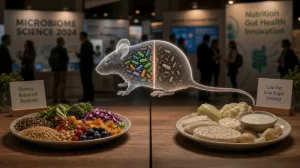
Microbiome science adds to this: potato resistant starch – the starch that isn’t digested in the small intestine – works as a food source for gut bacteria in the colon, helping the body make short-chain fatty acids like butyrate.
These have, in animal and some early human studies, been linked to a healthy gut lining, less widespread inflammation in the body, and, indirectly, better brain function via the gut-brain connection.
New controlled studies of adding resistant potato starch show effects on how nutrients are taken in and used; although direct, large studies of potatoes and thinking ability are few, the science behind this suggests potatoes may be good for you as part of a diet that helps the microbiome and gives the brain the important substances it needs.
Potatoes in UK, USA, and international dietary patterns
In the UK, USA, and much of the world, potatoes are both a good basic food and a very processed, easy convenience food; this difference greatly affects their effect on health.
In traditional British and European diets, boiled or baked potatoes with vegetables and reasonable amounts of protein are a healthy carbohydrate, providing potassium, vitamin C, and a feeling of fullness.
In the USA and some wealthy nations, though, people usually eat potatoes as fries, crisps, or heavily topped dishes with lots of refined oils, salt and calories; this lowers the potato’s natural nutritional value and is linked to worse heart and metabolic health.
Health advice worldwide is increasingly stressing a return to potatoes that are only slightly processed – boiled, steamed, roasted with little fat, or cooled for resistant starch – and put into well-rounded meals with vegetables, beans and lean proteins.
If done this way, potatoes can fit well into Mediterranean, flexitarian and plant-based diets everywhere, giving you the energy you need without harming your long-term health.
Cooking, portioning and Indian culinary context — maximizing benefits, minimizing harms
How potatoes are cooked changes their effect on health. Boiling, steaming, roasting or baking – especially with the skin on – keeps the nutrients and lowers added fat. Cooling cooked potatoes raises the amount of resistant starch, which is a simple diet change to improve how blood sugar rises and help good gut bacteria grow. In Indian cooking, potatoes are used in many dishes, from dry stir-fries and stuffed parathas to deep-fried snacks. When potatoes are made with beans, whole grains, vegetables and small amounts of healthy fats and spices (turmeric, cumin, coriander), the meal is well-balanced in terms of nutrients and fits both traditional eating patterns and modern health advice. On the other hand, often eating large amounts of deep-fried potato products (like commercially made snacks) can cancel out the tuber’s natural benefits by raising calorie count and levels of unhealthy fats. Therefore, whether potatoes help or harm your health goals depends on how they are cooked, portion size, and what foods they are eaten with.
Practical guidance: how to use the most appropriate method to incorporate potatoes in your diet
Practical advice: think of potatoes as a carbohydrate that is cheap and full of nutrients and is best used as part of a mixed plate. Choose whole-food dishes over ultra-processed ones. Keep the skin on if possible to increase fiber and micronutrient intake.
Put potatoes with beans, leafy greens and a reasonable amount of protein to slow down blood sugar rises and improve meal quality. For heart and blood-pressure benefits, choose boiled or baked potatoes and control added salt and high-fat toppings.
For gut health, cool some cooked potatoes before eating to raise resistant starch levels. In Indian households, simple changes – roasting rather than deep-frying for aloo dishes, using less ghee or oil in pakoras, and serving potatoes with dal or yoghurt – can keep the cultural identity while improving nutrient balance.
Caveats and areas where the knowledge is in process
Studies of populations sometimes show links between eating a lot of potatoes and bad results, but these findings are often affected by how the potatoes are prepared and lifestyle factors (for example, often eating french fries goes with other unhealthy habits).
There are few randomised controlled trials which isolate potatoes as the cause; most of the best scientific proof comes from studies of separate potato substances (resistant starch, chlorogenic acid) or from trials that change potassium intake using whole-food methods. Therefore, strong conclusions about potatoes stopping long-term illness at a population level are still based on how they are prepared, portion size and diet.
A well-considered, culture-aware brief analysis
Looking at potatoes through both traditional knowledge and modern science, the potato is more than a source of comforting calories. It provides vitamin C, potassium, fibre (particularly in the skin), polyphenols and starch types that can support skin and cell function, affect inflammation and heart and blood vessel physiology, help with nutrient intake for bone health, give antioxidant substances, and interact with the gut microbiome in ways that may be good for brain and metabolic health.
The health value you get from potatoes depends on your choices: choose whole-food dishes, keep the skin on when you can, put potatoes with proteins and vegetables, and limit heavily fried, overly salted commercial potato products. In global and Indian diets alike, simple changes in cooking can allow the humble tuber to remain both culturally important and health-promoting.