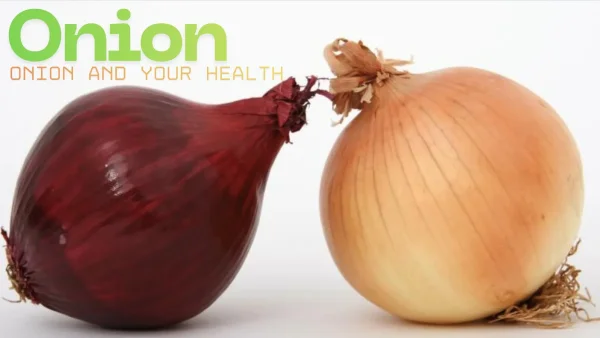
From a nutrition point of view, onions are a low-calorie vegetable full of the important micronutrients and active compounds that help you stay healthy.
A normal medium-sized onion has vitamin C – which is involved in immune system work, making collagen, and fighting oxidative damage – as well as B vitamins such as folate and vitamin B6, which help metabolism and nerve system work.
Onions also have minerals like potassium, which is needed for fluid levels, nerve signals, and muscle work, and fiber which supports digestive health. Onions are especially full of plant chemicals such as quercetin and other flavonoid antioxidants, inulin and fructans – which are prebiotic fibers – and sulfur-containing chemicals which give them their sharp taste and possible biological effects.
The mix of vitamin C, flavonoids, prebiotic fibers, and sulfur compounds makes onions special among vegetables as being both full of nutrients, and useful beyond just nutrition.
These chemicals work in complex ways inside the body, affecting inflammation, oxidative stress, how your metabolism works, and the balance of microbes – things which are behind many of the health benefits shown below.
Antioxidant Qualities
Onions are particularly full of antioxidants – molecules which help make harmless free radicals and protect cells from oxidative harm. Quercetin, one of the main flavonoids in onions, has been studied for its ability to lessen oxidative stress and inflammation.
Studies suggest that diets with lots of foods containing flavonoids, like onions, are linked to a lower chance of different long-term conditions, including heart-vascular disease and some cancers. Antioxidants also help skin health, tissue repair, and immune function by lessening the cellular stress which can build up with getting older and being exposed to the environment.
Immune System Work
The ways onions help the immune system come from both what they contain, and their active compounds. Vitamin C directly helps white blood cell work and supports the wholeness of mucosal barriers – the first line of defense against pathogens.
Also, onions’ flavonoids and sulfur compounds have shown antimicrobial qualities in lab studies, showing possible activity against some bacteria. Although more study is needed to fully understand these effects in people, the mix of antioxidants and micronutrients in onions can be part of a wider diet pattern which supports immune strength.
Heart and Cardiovascular Health
Traditional food cultures from the Mediterranean to South Asia have long had onions in heart-healthy diets, and scientific study gives support to this practice. Chemicals in onions might help lower levels of LDL (low-density lipoprotein) cholesterol, and support healthy blood pressure – both of which are very important factors in heart-vascular risk.
Quercetin in particular has been linked to better blood vessel work and lessened inflammation in blood vessels, while sulfur compounds might help stop the forming of harmful blood clots. These joined effects help circulation and lessen the risk of heart disease when onions are eaten as part of a balanced diet.
Brain and Cognitive Health
New study links diets full of antioxidants and anti-inflammatory plant foods with better cognitive health.
Oxidative stress and long-term inflammation are the things behind age-related cognitive decline, and by helping to lessen these processes, onion-derived chemicals like quercetin might play a helping part in brain health.
Studies of people’s diets have connected eating more foods containing flavonoids with a smaller chance of getting illnesses that cause the brain to break down – though more clinical trials are needed to fully understand how strong this link is and exactly how it works.
Metabolic and Blood Sugar Regulation
If you are watching your blood sugar, onions have things in them that might help with how your body handles metabolism.
Onions have a low glycemic index and hold soluble fiber, and also flavonoids and sulfur parts, which all make digestion and taking in carbohydrates slower, and so stop quick jumps in blood glucose after you eat.
Some research also indicates that onions can make insulin sensitivity better, so they are a helpful addition to the ways people eat to control, or stop, getting type 2 diabetes. These results, with a balanced diet and way of life, make for steadier energy levels and better metabolic health in the long run.
Gut Microbiome Support
The good things onions do for how well your digestion works go beyond just the fiber they have. Onions are full of prebiotic materials – such as inulin and fructooligosaccharides – kinds of fiber which the human body cannot digest, but which good bacteria in the gut do ferment.
This fermentation helps the growth of good microbial groups in the large intestine, making short-chain fatty acids which make the gut barrier stronger, change inflammation, and help the body take in nutrients.
More and more, a gut microbiome which is doing well is seen as the basis of all-around health, affecting the immune system, metabolism, and even how a person’s mood is.
Western Dietary and Culinary Context In Western ways of eating – like those in the UK and the US – onions are important as both a way to make flavour better, and as part of diets that give a lot of nutrients.
In these cooking styles, onions are often used in soups, stews, salads, stir-fries, and sauces – from the famous French onion soup, to fried bases for casseroles and curries – which helps to naturally raise how much antioxidants and plant materials people get, without adding a lot of calories.
Onions give important micronutrients, such as vitamin C, B6, potassium, and fiber, even in small portions, and they provide flavonoids such as quercetin which are being studied more and more for their anti-inflammatory and cardioprotective results.
Often putting onions in Western diets – whether raw in salads, gently cooked in stir-fries, or roasted with vegetables – fits with world-wide healthy eating advice which stresses foods based on plants, and different sources of phytonutrients.
Throughout many international cooking styles, other than South Asia and the West, onions make up a cooking foundation, increasing flavour and giving useful prebiotic fiber that supports gut microbiome health and general metabolic balance.
Indian Dietary and Culinary Context
In Indian cooking, onions are essential – whether raw in salads and chutneys, fried into richly spiced curries, or slowly cooked to make the base of dals and sabzis. How many ways onions can be used means they are eaten in several forms which can raise both flavour and health benefits. For example, raw onions added to chaat, salads or raita keep a lot of their vitamin C and sulfur materials, while cooked onions mix with spices like turmeric, cumin, and garlic to make dishes which are both comforting and help health.
Ayurvedic traditions often put onions with spices that help digestion, believing that their warming qualities help start agni (digestive fire) and make smooth metabolic processes happen.
Though some old Ayurvedic texts argue about using onions, many modern Indian eating habits include them for their nutritional and cooking worth.
Across areas – from the strong raw onions of North Indian chaats, to the sweet caramelized onions in South Indian stews – this vegetable makes dishes better while giving many kinds of health support.
In daily Indian diets, putting onions with legumes, vegetables, and whole grains makes meals balanced which are full of antioxidants, fiber, and micronutrients – a pattern linked with a lower risk of long-term illnesses. Whether in a simple dal tadka with onions and garlic, or in complicated biryanis and sabzis, onions add to how many nutrients there are without adding a lot of calories, fitting well with vegetarian and plant-based ways of eating common across India.
In both old cooking wisdom and modern nutrition science, onions continue to be a flavourful and healthy part of diets world-wide. Their mix of essential nutrients, antioxidant ability, metabolic benefits, and gut-supporting fibers makes them a simple but strong addition to everyday meals, whether in Indian kitchens or on plates all over the world.