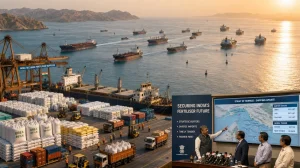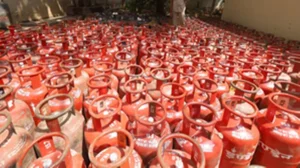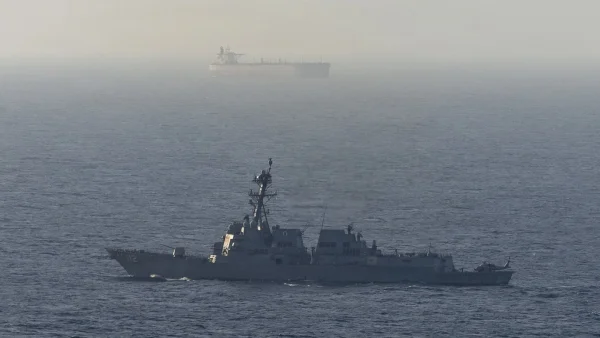
India has moved fast to ring-fence fertiliser supplies amid West Asia tensions. The Centre said 15 of 20 ships have already crossed the Strait of Hormuz safely, with deliveries on schedule. Backed by higher domestic output and diversified imports, the assurance seeks to steady availability and blunt global price pressures on farmers.
Crossings secured, deliveries on track
According to the Ministry of Chemicals and Fertilizers, 15 vessels carrying fertilisers and raw materials have cleared the chokepoint without incident. Eight ships are transporting 3.32 lakh tonne of urea, four are moving 2.57 lakh tonne of DAP, and three hold 1.11 lakh tonne of sulphur.
Five more vessels are slated to join the chain. These include one carrying 0.25 lakh tonne of ammonia and another with 0.45 lakh tonne of urea. Loading is underway for two additional urea vessels and one sulphur vessel. The ministry said all consignments are expected to arrive as planned.
Why the supply line held
The Centre credited a blend of early planning, coordination and round-the-clock tracking for the resilience. It also cited diplomatic outreach to widen supply sources, insulating India from route disruptions and longer voyages triggered by the conflict.
For urea, India arranged cargoes from Asia and Europe, naming Oman, Malaysia and Vietnam, and also Russia, Finland and the Netherlands. Supplies were also linked from Egypt, Algeria and Turkiye, as well as Nigeria and Georgia. Officials said this diversification reduced dependence on any single corridor.
For DAP and NPK, consignments were secured via the Red Sea from a mix of origins. These included Russia and South Korea, North African producers such as Morocco, Egypt and Tunisia, and key partners like the US, Jordan and Saudi Arabia. The route choices balanced transit risks with continuity.
Officials highlighted three stabilisers behind the current outlook:
– Timely planning and inter-agency coordination
– Diversified sourcing across regions and routes
– Continuous monitoring of vessel movement
Production rebound with gas restored
A temporary squeeze in natural gas supply to fertiliser plants, which the ministry said had dipped to nearly 65 per cent, has now normalised to 100 per cent. With feedstock fully restored, all urea units are operating at full capacity again, tightening the link between imports and domestic manufacturing.
Output in the April-June quarter of FY27 surpassed targets. Urea production reached 71.55 lakh tonne against a target of 67.86 lakh tonne. DAP touched 9.84 lakh tonne compared with 8.61 lakh tonne. NPK came in at 20.77 lakh tonne and SSP at 13.50 lakh tonne, reinforcing the supply buffer.
Union Minister for Chemicals and Fertilizers JP Nadda said global supply chains have been severely disrupted, lifting fertiliser prices and stretching shipping times. He added that farmers’ interests were protected despite the price surge, crediting proactive steps taken by the Department of Fertilizers under the Prime Minister’s guidance.
Stocks and buffers: where India stands now
Against an annual requirement of 383.9 lakh tonnes, the government reported secured fertiliser stocks of 197.56 lakh tonne, described as over 51 per cent of the yearly need. This cushion, paired with on-water cargoes, aims to keep retail supply steady through logistics volatility.
As of July 2, inventories were substantial across products. Urea stocks stood at 69.08 lakh tonne, DAP at 16.64 lakh tonne, Muriate of Potash at 8.90 lakh tonne, NPK at 45.64 lakh tonne and SSP at 23.09 lakh tonne. Total availability at that date was 163.35 lakh tonne, the ministry said.
What it means next
India’s approach signals a market positioning play: spread sourcing risk, keep plants running and maintain visible inventories. That combination enhances bargaining power in a tight market and reassures retailers.
The ministry reiterated that diversified imports, higher domestic production and adequate stocks will ensure timely fertiliser supplies nationwide. The message to farmers is clear: deliveries remain on schedule, despite global headwinds.