Thirteen countries either stayed away or scaled down their presence at Ayatollah Ali Khamenei’s funeral in Tehran, according to Iranian reports, after what was described as coordinated US diplomatic pressure. The claims raise fresh questions over how global alignments could shape the fragile pause in West Asia tensions.
Iran’s Tasnim news agency, citing a senior source, alleged Washington ran a days-long campaign ahead of the ceremony to deter foreign participation. Delegations did attend at Imam Khomeini Grand Musalla, but the scale of official representation was reportedly affected.
How the pressure campaign was described
Tasnim reported that US Secretary of State Marco Rubio issued confidential instructions on June 26 to embassies and missions. The directives, the source claimed, pressed diplomats to urge host governments to avoid the event.
According to the report, US envoys warned that attendance could be seen as an ‘unfriendly act’ with consequences for bilateral ties. Ambassadors in several African countries allegedly signalled possible cuts to US development assistance.
Tasnim also said Rubio personally discussed the matter with counterparts in at least five Arab countries. The account relied on statements attributed to two unnamed Arab diplomats.
Here is what the Tasnim source described as key moves by Washington:
– Confidential guidance issued on June 26
– Attendance framed as an ‘unfriendly act’
– Warnings of development aid cuts
– Direct calls to at least five Arab counterparts
Who pulled back, and how
Citing assessments, Tasnim said at least 13 countries either withdrew or downgraded their delegations. The breakdown reportedly included three Eastern European countries, five African countries, two Persian Gulf Arab countries, and two major East Asian countries.
Some governments, the source claimed, attempted to justify their absence through diplomatic channels or via intermediaries. Others sought to send lower-level representatives, which Iranian authorities did not accept, according to the report.
The messages that carried the decision
Tasnim said explanations were conveyed through missions in Geneva and New York. That, the source argued, reflected attempts to limit political fallout while acknowledging the US push.
Crowds in Tehran despite scaled-back delegations
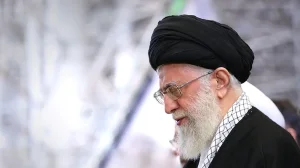
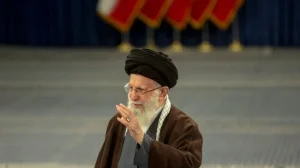
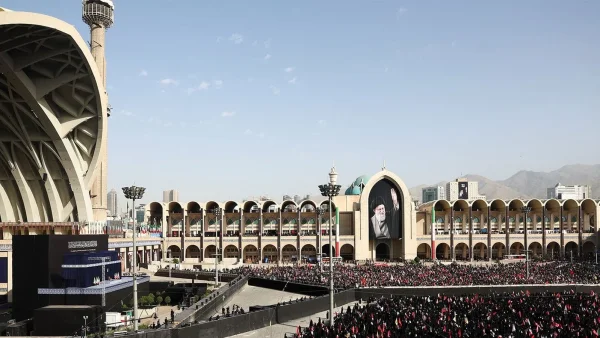
Public funeral prayers for Ali Khamenei and four members of his family took place in Tehran on Sunday, the second day of the farewell. Tasnim reported that millions swarmed central streets near Imam Khomeini Grand Musalla.
Khamenei’s body has been lying in state there since Saturday for public mourning and official farewells. The combination of vast crowds and altered foreign attendance underscored competing domestic and international narratives.
Why these moves matter for regional diplomacy
Tasnim stated that Ali Khamenei was assassinated in US-Israeli strikes on February 28, earlier this year, a moment it linked to the wider regional conflict. Last month, the US and Iran agreed to a 14-point memorandum of understanding aimed at ending hostilities.
That MoU opened a 60-day dialogue window for technical talks, including discussions on the Strait of Hormuz and Iran’s nuclear programme. Any recalibration of diplomatic presence at high-profile events could carry signals as that clock runs.
The reported US push, if accurate, shows Washington leveraging bilateral levers during a sensitive negotiation phase. For Tehran, the mix of mass turnout and fewer top-tier foreign dignitaries may shape its messaging at home and abroad.
Leadership transition and security concerns
Following Ali Khamenei’s death, his son Mojtaba Khamenei was appointed as the new Supreme Leader of the Islamic Republic, according to the referenced reports. The succession frames how Iran navigates the MoU window and the aftermath of the assassination described by Tasnim.
Al Jazeera reported that Mojtaba Khamenei will skip the six days of funeral ceremonies for his father now underway in Tehran. It cited security concerns amid continued Israeli threats to assassinate him.
What comes next will hinge on whether the 60-day technical talks gain traction. For now, competing diplomatic signals and security calculations continue to define the regional landscape.