Indian Railways is not just a transport utility. It is a nationwide mobility backbone that gives millions daily a predictable, affordable way to move. Unlike fragmented systems in many developed countries, India runs a single, integrated railway that knits metros, tier-2 cities, and small towns. This piece unpacks 15 unique features, the biggest problems, and how India compares globally.
Scale and Why It Matters
The railway runs under one umbrella across the country, unifying timetables, ticketing, operations, and maintenance. That centralised design is rare worldwide and lets policymakers trade off profit with access, keeping long routes viable and smaller stations connected.
India’s network carries both commuters and long-distance travellers through the same timetable. That mixed mission drives complex scheduling, yet it also keeps fares within reach of lower and middle-income households. In practice, the network behaves like a public service first and a business second.
A dense station grid extends deep into districts, making trains a default choice for budget travel. Electrification covers major corridors, improving reliability and energy efficiency. A large workforce and a digital booking backbone combine to handle immense demand without fragmenting the user experience.
The outcome is a system where affordability, reach, and sheer volume define success. Ticketing policies, reservation logic, and classes evolved to match this scale. That is why Indian Railways prioritises capacity utilisation tools like RAC, waitlists, and Tatkal, rather than pushing pure market pricing.
Fifteen Ways Indian Railways Stands Apart
Many features here do not exist together elsewhere. These define how Indians plan, book, and ride:
– One nationwide network spanning almost all states.
– Among the world’s highest daily passenger volumes.
– Dense station network connecting metros and small towns.
– Multiple travel classes for varied budgets.
– General unreserved coaches enabling spontaneous travel.
– Sleeper class as affordable long-distance option.
– Extensive AC tiers: 3AC, 2AC, 1AC.
– Chair Car and Executive Chair Car for day trips.
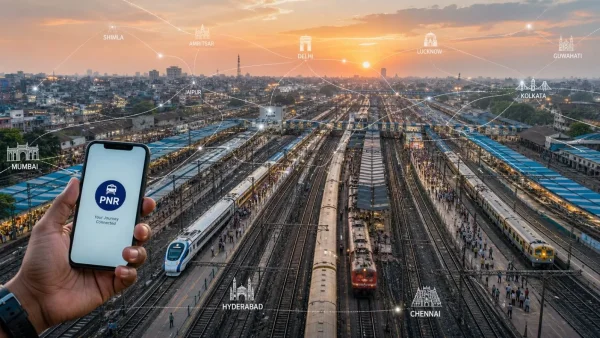
– PNR-based digital reservation and tracking.
– RAC offering shared berths to maximise capacity.
– Tatkal booking for near-term travel demand.
– Social-service pricing keeping fares affordable.
– Integrated freight and passenger operations.
– Pantry, e-catering, and station retail ecosystem.
– Multilingual, pan-India operational footprint.
Together, these elements deliver choice at many price points, with flexibility for both planned and last-minute travel. The flipside is complexity: passengers must learn classes, quotas, and booking windows to get the best outcomes.
For global travellers, this breadth feels unusual. But it reflects India’s goal of moving the many, not just the few, while keeping journeys reachable for a wide range of incomes.
Inside the Reservation System: From PNR to Tatkal
India’s booking logic is built for scarcity and fairness. Every reserved ticket carries a PNR, which tracks the journey, coach, and seat or berth status. Trains often carry both reserved and General coaches, allowing last-minute boarding even when reserved seats are sold out.
Classes are arranged to match budgets and comfort. General, or Unreserved, allows travel without a prior seat, trading certainty for price. Sleeper offers non-AC berths at modest fares. 3AC, 2AC, and 1AC add privacy and comfort layers. Chair Car and Executive Chair Car suit fast day trips.
Statuses keep capacity fluid. Confirmed is guaranteed. RAC, meaning Reservation Against Cancellation, gives a seat and a shared berth, converting to a full berth as cancellations occur. Waiting List passengers queue behind RAC and are confirmed only if seats free up before charting.
Why RAC exists is central to Indian practice. It ensures no berth travels empty because of late cancellations, while still giving partial certainty to more people. In a high-demand system, RAC improves fairness and raises the number of travellers served without adding coaches.
Tatkal booking opens close to departure for those who must travel soon. It allocates a limited pool of seats at higher charges, recognising late demand. Premium Tatkal uses dynamic pricing within this near-term window, allowing seats to surface after regular quotas are consumed.
The point of Tatkal is not premium luxury; it is capacity access under time pressure. It disincentivises speculative bookings and curbs scalping, while monetising urgency to fund operations. It is a pragmatic response to India’s volatile, short-notice travel needs.
Reservation quotas spread seats fairly across segments and origins. The major quotas include:
– General
– Ladies
– Defence
– Lower Berth
– Foreign Tourist
– Tatkal
Quotas smooth demand across boarding points and protect disadvantaged travellers. For example, Lower Berth helps seniors and passengers needing easier access. The Foreign Tourist Quota makes Indian train reservation feasible for visitors unfamiliar with local peaks and routes.
Under the hood, quota distribution by train and origin station helps retain seats for intermediate boarders rather than releasing everything at the starting station. This reduces long-hop dominance and improves network equity without raising fares across the board.
How India Compares With USA, UK, Australia, Russia and China
In most developed markets, last-minute rescue options like Tatkal do not exist. RAC is also absent, and waiting lists are rare. Operators either sell until seats are gone or raise prices steeply. India, instead, uses RAC and Tatkal to allocate scarcity and preserve affordability.
The USA and Australia run limited intercity frequencies over long distances, with airline competition absorbing urgency. The UK focuses on dense, short-haul services with dynamic pricing and mandatory reservations on many long routes. Waiting lists are unusual and real-time seat sales dominate.
Russia and China offer multiple sleeper tiers, which looks similar on the surface. Yet neither uses India’s RAC or near-departure quotas at scale. China’s high-speed backbone soaks up time-sensitive demand, while legacy lines handle sleepers. India blends both within one nationwide system.
India’s General coaches are also unusual. Most countries require seat reservations for intercity travel. Foreign Tourist Quota is another rarity, signalling a policy choice to welcome overseas visitors onto crowded routes. The result is breadth of access even when demand is extreme.
Indian Railways vs Other Countries
| Feature | India | Most Countries |
|---|---|---|
| Tatkal | ✅ | ❌ |
| RAC | ✅ | ❌ |
| Waiting List | ✅ | Rare |
| General Coaches | ✅ | Rare |
| Foreign Tourist Quota | ✅ | ❌ |
| Multiple Reservation Quotas | ✅ | ❌ |
| Dynamic Pricing | Limited | Common |
Biggest Problems Now, And What Comes Next
Overcrowding is the most visible challenge. On popular routes and seasons, waiting lists can stretch long before departure. General coaches fill first. Reserved classes sell quickly. The upside of high utilisation is financial viability, but the passenger experience can be strained.
Capacity shortages drive secondary issues. Mixed freight and passenger traffic creates path conflicts, limiting average speeds. Trains wait for crossings and overtakings, which adds minutes that add up across corridors. Station throats and busy junctions further slow flows during peaks.
Delays compound when scheduled recovery margins are thin. At major hubs, platform occupancy overruns ripple across departures. Even as punctuality improves in places, sustained reliability needs more routes, more passing loops, and better segregation of fast and slow services.
Infrastructure upgrades are underway but disruptive. Track renewals, signaling works, and electrification blocks reduce slots while the network is live. The paradox is familiar: to go faster later, the system must slow down now. Communication and predictable timetables help mitigate the pain.
Safety remains a top priority. Continuous investments in track, bridges, and rolling stock aim to raise the safety baseline. Separately, maintenance regimes are being modernised to catch faults earlier, shortening repair windows and reducing in-service failures.
Future fixes are structural. Dedicated Freight Corridors aim to remove heavy goods trains from passenger tracks on key axes, unlocking capacity and improving average speeds. Better timetabling and longer platforms can lift throughput without compromising safety or comfort.
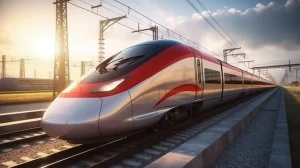
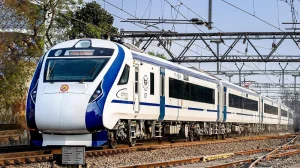
Vande Bharat expansion is broadening fast, comfortable day travel between major cities. The bullet train project signals a push into true high-speed territory on select corridors, changing expectations for long intercity commutes once operational.
Kavach, an indigenous automatic train protection system, is being rolled out to reduce human-error risks. Station redevelopment is upgrading passenger areas, platforms, and interchanges, while crowd management tools improve flows during peak hours and festival surges.
Digital modernisation continues across ticketing, PNR analytics, and real-time information. Smarter predictions help passengers judge confirmation probabilities and plan backups. E-catering, QR-based entry, and mobile tools are slowly simplifying the door-to-door experience.
Indian Railways stays unique because it solves for scale, cost, and inclusion simultaneously. Tatkal, RAC, and reservation quotas are not quirks; they are engineered responses to constrained capacity and extreme demand variability. They balance access with order.
What to watch next is this balance under modernisation. As DFCs go live, Vande Bharat spreads, and Kavach deepens, reliability and speed should rise. If pricing stays fair and capacity grows, the system can move from coping to delighting, without losing its social-service soul.