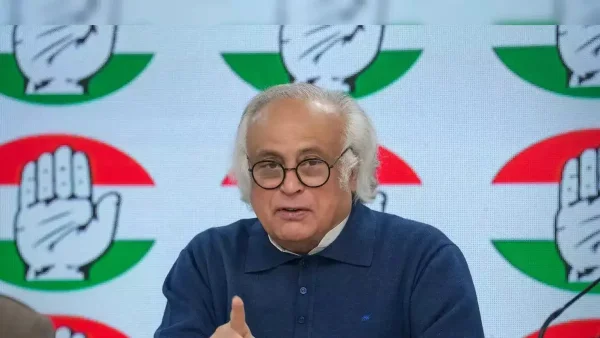
Congress has set up a high-stakes clash for the Monsoon Session, vowing to block the Constitution (130th Amendment) Bill that mandates automatic removal of the prime minister, chief ministers and ministers held in judicial custody for 30 consecutive days. The party argues the move threatens democratic norms and says the government lacks the two-thirds majority to push it through.
The core dispute and why it matters
At the heart of the confrontation is a provision that would trigger dismissal on the 31st day of custody in cases involving offences punishable by more than five years. Supporters frame it as a response to criminalisation of politics. Opponents see an assault on due process.
The controversy matters beyond Delhi. Opposition leaders warn that elected executives could be sidelined before conviction, reshaping who governs states and the Centre. They argue the threshold creates perverse incentives for prolonged custody.
Congress framing and allegations
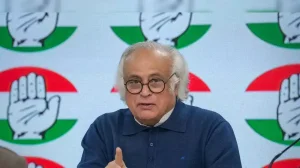
Congress general secretary Jairam Ramesh called the proposal extraordinary and a tool for political harassment. He argued it violates the presumption of innocence, noting judicial proceedings may still be underway when the trigger takes effect.
He alleged investigative agencies have been misused and described the amendment as political vendetta. He maintained the numbers are not on the government’s side, predicting failure to reach the two-thirds mark needed for any constitutional change.
What the Bill would change
The measure was introduced in August 2025 and referred to a Joint Parliamentary Committee after protests. It seeks a bright-line rule for removal from executive office based on custody, not conviction, and it covers the prime minister, chief ministers and ministers at all levels.
Under the current framework, removal typically follows political or judicial outcomes tied to findings of guilt. The proposed rule would make custody itself determinative, recalibrating the balance between accountability and rights.
For clarity, here are the bill’s key triggers and scope as described by opponents and reviewed by the committee:
– Automatic removal after 30 days in custody
– Applies to offences punishable by more than five years
– Covers prime minister, chief ministers and ministers
Procedural path and timelines
A report on the Constitution (130th Amendment) Bill is expected to be adopted by the Joint Parliamentary Committee on July 17. The same meeting is slated to take up reports on the Jammu and Kashmir Reorganisation (Amendment) Bill and the Government of Union Territories (Amendment) Bill.
If cleared by the Union Cabinet, the proposed legislations could be introduced in Parliament. The Monsoon Session begins on July 20, setting the stage for a decisive test of support and opposition.
To understand immediate next steps, here is the likely sequence cited by sources and leaders:
– JPC adoption on July 17
– Tabling in Lok Sabha during Monsoon Session
– Cabinet clearance before introduction
– Two-thirds majority needed in each House
Numbers game and a recent precedent
Ramesh tied his confidence to a recent defeat of a different constitutional proposal linked to delimitation for implementing women's reservation. On April 17, that Bill secured 298 MPs but needed 352 votes, with 230 MPs voting against it. Of 528 members who voted, it fell short of the two-thirds threshold.
Calling the episode a humiliation for the home minister, Ramesh said the government could not muster broader consensus then, and would struggle again now. He added that Congress will oppose any renewed move to link women's reservation to delimitation.
Committee dynamics and consultations
The Joint Parliamentary Committee, chaired by BJP MP Aparajita Sarangi, consulted constitutional experts, retired judges, lawyers, bar association members, government officials and political leaders before finalising recommendations. Sarangi earlier cited broad agreement on addressing criminalisation of politics.
Several opposition parties boycotted the proceedings, arguing the draft risks automatic removal solely on custody, not guilt. Among opposition voices on the 31-member panel are Supriya Sule, Asaduddin Owaisi and S Niranjan Reddy.
Opposition concerns: law, power, and federal stability
Opposition parties contend the proposal breaches a fundamental legal norm: a person is presumed innocent until proven guilty. They argue the 30-day custody trigger invites pre-trial punishment and undermines elected mandates.
They also warn of destabilisation risks for non-NDA governments, saying the provision could be used to remove key executives in opposition-ruled states. The fear is of prolonged custody being weaponised to alter political control without a verdict.
Political backdrop and internal strains
Ramesh acknowledged strains within the opposition, citing splits in the Trinamool Congress and Shiv Sena (UBT). He described them as setbacks but insisted opposition unity and solidarity continue ahead of the Monsoon Session.
He also alleged efforts to engineer defections since April 17, framing the coming vote as a test of whether such manoeuvres can deliver the two-thirds needed. He asserted they will not.
What to watch next
Three developments will shape the immediate outlook. First, whether the JPC adopts its reports on July 17 as planned. Second, if the Union Cabinet clears the drafts in time for the session. Third, whether the government attempts to reintroduce the amendment on removal from office.
Congress has made its battle lines clear: it will oppose the Constitution (130th Amendment) Bill and resist any delimitation-linked move tied to women's reservation. With a two-thirds hurdle looming, the Monsoon Session could decide the future of both proposals.
For voters and state governments, the stakes are concrete. A custody-based removal rule would redraw how power shifts during investigations. For parties across the aisle, the question is whether accountability can be tightened without eroding constitutional safeguards.