Congress has really jumped on Prime Minister Modi’s recent call for everyone to be more careful with money as proof that the economy is doing badly, and this is making the political argument and the actual economic policies even more of a battle, especially with the increasing difficulties globally. The party believes the government is preparing the public for harsher measures, while the Prime Minister says being careful with what we use is necessary to protect the country’s money from the effects of problems with supplies.
Why the appeals triggered a political-economic clash
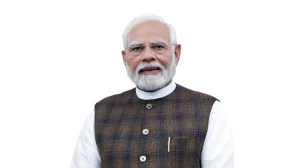
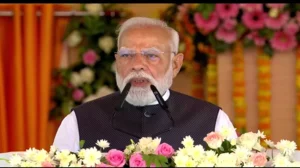
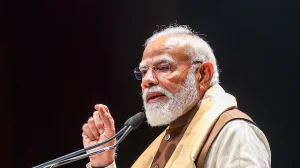
On Sunday, at a BJP meeting in Hyderabad, Telangana, the Prime Minister told people to use less fuel, use buses and share cars, and to do as much work as possible online, to reduce the strain on the economy. He said doing these things would help save the country’s money during this time of a lot of uncertainty in the world.
Congress rejects this as an attempt to change the subject. They say that asking people to buy and use less, instead of having plans in place for emergencies, is “shameless, careless and completely wrong”, especially as the fighting between the US and Iran has been making India’s energy supply more difficult for three months.
Congress reads it as a prelude to austerity
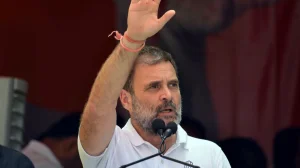
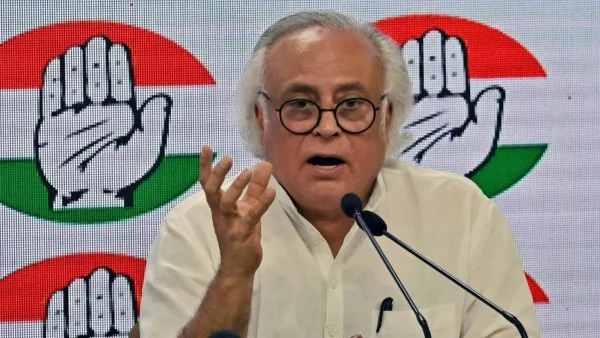
Jairam Ramesh, who is in charge of communications for the Congress party, says the Prime Minister’s “sudden requests” show the economy is a lot weaker than the official figures show. He thinks difficult steps, “including increasing the price of fuel”, are likely to happen soon, and that the government is now trying to get people to accept these things.
Ramesh says what’s actually happening with the economy doesn’t match what the government says is happening, and he points to the fact that people’s actual wages haven’t gone up, people are owing more and more money, and private companies aren’t investing enough to create many new jobs. In a statement in Hindi, he said the requests show that things are much worse than the government is saying.
What the Prime Minister is asking people to do
The Prime Minister’s comments covered many changes in how people behave when it comes to getting around, travelling, what they buy, and farming. About getting around, he wants people to use less gasoline and diesel by using metro trains when they can, sharing rides, and using electric vehicles more. He also wants companies to send more goods by train.
The Prime Minister asked families to wait a year before buying gold or going on trips abroad. He said these choices will directly help save the country's money at a time when the price of gasoline and fertilizer have gone up a lot because of the issues in the Middle East, and even though the government is trying to deal with problems with getting supplies.
He also suggested people go back to doing things during Covid, like working from home, having meetings online, and using video calls, to reduce the amount of fuel used. For farming, he encouraged people to use less cooking oil, to rely less on chemical fertilizers, to use more natural farming methods, and to buy more things made in India to help the country be more self-sufficient.
Energy prices and foreign exchange: the backdrop
The Prime Minister repeatedly said it’s important to "save the country's money in any way we can”, and he said the problems around the world are causing this. He says that problems from outside the country have increased the cost of important things like gasoline and fertilizer, so India needs to save its resources even while the government is trying to solve the problems.
The opposing Congress party doesn’t think this explanation is enough. They say the government should have had better emergency plans to protect the economy from the crisis in the Middle East, instead of asking people to make sacrifices first.
What to watch next
If Congress is right, the government will soon obviously start to use more strict economic controls. Ramesh in particular said the price of fuel might go up, and the government will start to make it seem normal to be careful with how much you spend and how much you travel.
However, the government says they will continue to strongly enforce measures to reduce how much we import and save the country's money, and they will encourage people to change their habits in cities, at work, and on farms.
Signals to households and businesses
The Prime Minister’s list of things to do shows practical steps that can be measured in the next few weeks. Shops and delivery companies might try using trains to move more goods. People in cities might be put under more pressure to use buses and trains instead of their own cars.
Families are being asked to wait a year to make big purchases like gold and trips abroad, and to use less cooking oil. Farmers are being encouraged to use more natural methods and less chemical fertilizer.
Here are the core positions, as stated by each side:
– Congress: the economy is more strained than official claims
– Congress: fuel prices may be increased soon
– Prime Minister: save foreign exchange by any means
– Prime Minister: cut fuel use and reprioritise spending
The difference of opinion is obvious. One side thinks the message from Hyderabad shows the Prime Minister is admitting there is a problem and warning people about it; the other side says it’s just sensible crisis management. What happens with prices, transportation, and advice to families will show which of these views is more accurate.