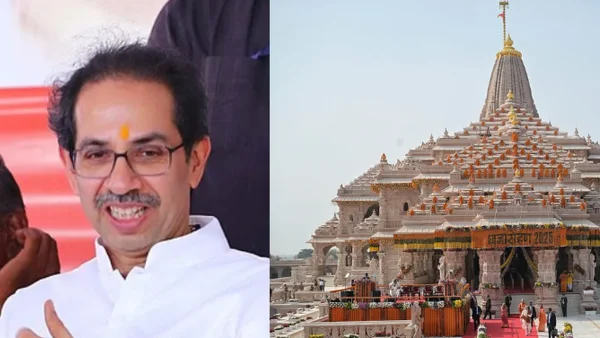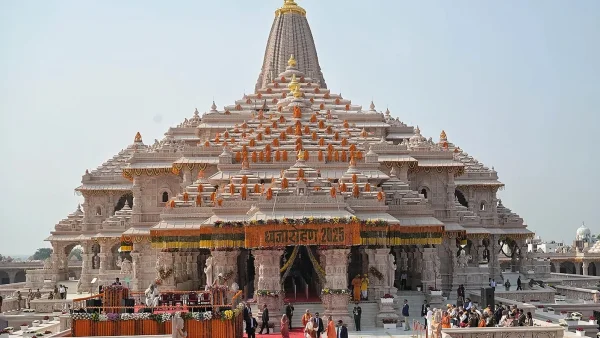
The Ram Yantra is a Vedic geometric symbol; people believe it focuses good energy and positive feelings for worshippers. After a long time of worship, priests chose a lucky time (muhurta) to officially place it in the temple, as is traditional. People who are devoted and those who study religious matters say installing the yantra brings together the sacred design of the building and the religious practices. Putting the Shri Ram Yantra on the very top of the temple shows it is complete in a symbolic way, and strengthens the temple’s position as a central place for worship and being reborn spiritually for many different communities.
Rituals, priests, and spiritual leaders present
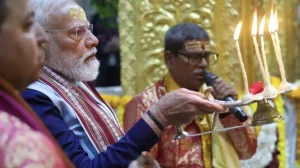
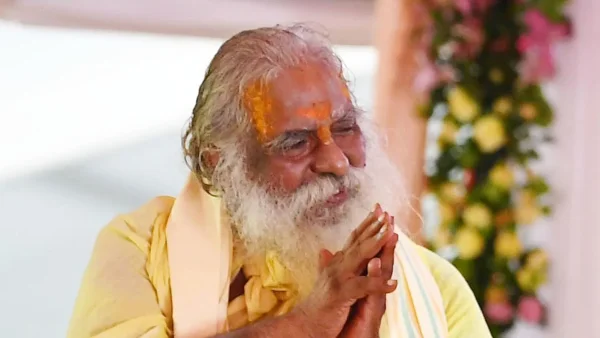
Priests from South India, Kashi and Ayodhya performed the ceremonies, led by Ganeshwar Shastri. The program of rituals included mantras, homa (a fire sacrifice) and special purification ceremonies (consecration rites) all done according to ancient Vedic rules to make the Yantra and the shrine around it holy.
Spiritual leaders and scholars from all over India were present, underlining the nationwide importance of the religion surrounding the event. Mata Amritanandamayi and other spiritual teachers were involved and thousands of people who were invited – including the artists and construction workers – joined in prayers and received blessings during the ceremony.
Placement on the final level and construction completion
Officials have said the Shri Ram Yantra was put on the second floor of the temple, which is considered the final level. Because it is now in place, the main building work on the temple is now finished and a major part of the project is officially over.
The President will also publicly thank about and nearly 400 workers who helped build the temple, recognizing the hard work and skill they put into it. She will raise a flag at a smaller shrine in the area outside the main temple; this is a ceremonial gesture to show the site is finished and open to the public.
Logistics, security, and civic preparations
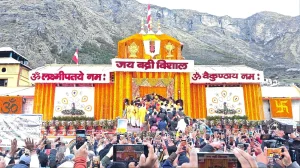
The local government and the temple trust made a lot of arrangements for the President’s visit, including security, keeping things clean, and controlling the traffic. The roads leading to the temple were decorated with saffron colored flags and pennants to create a peaceful, religious mood for those going on pilgrimage and people who live in Ayodhya.
During the President’s visit, access was restricted and special viewing for very important people (VIP darshan) was limited to ensure everything ran smoothly. High-level security teams worked out a complete plan to balance allowing lots of people to take part with keeping them safe, so they could manage the thousands of visitors and maintain order within the temple grounds.
Cultural context and national resonance
Because the installation happened during Chaitra Navratri, the festival for the Hindu New Year, the event had even more cultural significance. It got the attention of the whole country and will probably change how people go on pilgrimages and practice their religion in the coming months.
The ceremony shows how the temple is growing into a major religious centre and a place where people remember things together. What people said and showed on social media, and the reactions of the public, religious leaders and people in the arts and culture, showed a lot of general interest in the symbolic completion of a religious project that has been planned for a long time.
The placing of the Shri Ram Yantra in Ayodhya is important both for religious reasons and as a city-wide achievement. It combines traditional religious practices with a public event, respecting those who built the temple and marking the start of a new spiritual era for it.