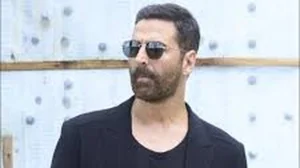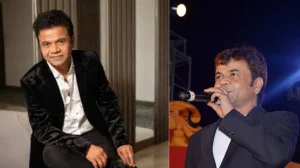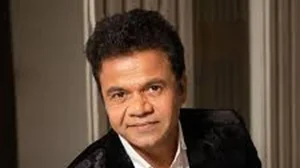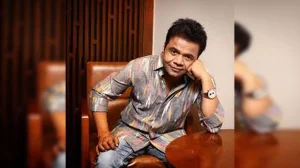
Justice Swarana Kanta Sharma, the judge in the case, was clearly not pleased with Yadav changing what he said about paying the money back. She said she wasn’t getting straight answers, and that what he said he’d do (the “undertaking”) was different from what he was now saying.
Court Signals Frustration as Settlement Talks Collapse
The judge and everyone involved tried to get Yadav and Murli Projects Private Limited to reach a deal, but couldn’t. Murli Projects said they’d accept 6 crore rupees (60 million rupees) to end the whole thing. The court even suggested a plan where Yadav would pay 3 crore rupees by a certain date.
But the talks stopped. Yadav didn’t want to pay 6 crore rupees, saying he’s in a really bad financial situation and has already paid a lot of money, and sold five apartments. The court warned him not to think the judge is easy on him just because she is being polite, and said the court was wasting time.
A Tense Exchange Over Payment Timelines
During the hearing, the judge pointed out that Yadav’s statements about being willing to pay didn’t match his actions in court. She said that if he really had the money, they wouldn’t need to discuss it in court for so long. When Yadav asked for 30 days to pay 6 crore rupees, the court said “no” and said it would make a decision.
Advocate Avneet Singh Sikka, representing Murli Projects, said Yadav had already admitted being guilty and can’t now avoid paying. He said finishing a jail sentence doesn’t mean you don’t still owe the money, and that Yadav has repeatedly promised to pay but hasn’t.
The Case at a Glance: From Film Financing to Courtroom Battles
This all started in 2010, when Yadav borrowed 5 crore rupees from Murli Projects in Delhi to make his first movie as a director, Ata Pata Laapata (2012). The movie didn’t make its money back, and their business relationship fell apart, leading to a long court case about the bounced checks (under Section 138 of the Negotiable Instruments Act).
In 2018, a lower court found Yadav guilty and gave him a six-month jail sentence, which a higher court confirmed in 2019. Because of interest and other charges, the amount Yadav now owes has gone up to nearly 9 crore rupees, Murli Projects says. They’ve been trying to get the money, appealing decisions, and attempting settlements, with Yadav spending some time in jail and getting temporary breaks from the case.
In early 2026, the High Court told Yadav to go to jail because he hadn’t made earlier payments. He went to jail on February 5th, and was later let out temporarily after paying 1.5 crore rupees to Murli Projects. Before that, the court had allowed him to pay a larger amount in installments, and said he had to pay 1 lakh rupees as a bond and have someone guarantee his bail.
Arguments on Both Sides: Dues, Delays, and Disputes
Murli Projects says a lot of the money still hasn’t been paid. Sikka told the court that about 2 crore rupees had been paid before the lower court trial, but about 7.75 crore rupees is still outstanding. He also mentioned that Yadav filed an appeal in 2024 that was 1,894 days late, and said there wasn’t a good reason for the delay.
Yadav said he has made many payments and is in a difficult situation. He said (while appearing in court online) that he’s had big financial problems, sold five apartments, and already paid a lot. At one point, he claimed to have paid 17 crore rupees over time and said he would do whatever the court legally tells him to do, even though he doesn’t agree with the 6 crore rupee settlement.
The court said Yadav has been inconsistent, and that changing his story is making it harder to resolve things. It reminded everyone that the judge being patient shouldn’t be taken as being too lenient, and that the case needs to move forward quickly and openly.
Legal Context: Section 138 and the Limits of Jail Time
Section 138 of the Negotiable Instruments Act deals with bounced checks and includes both punishments and having to compensate the person who was owed the money. Courts have said many times that being in jail doesn’t automatically mean you don’t have to pay the money. This was a key part of how the court handled Yadav’s case; the judge wanted to be sure about how much he’d actually paid and when he would pay the rest.
The High Court also didn’t seem to be impressed by how long things were taking and attempts to change decisions that had already been made. The court still wants to know for sure how he will repay the money, and not just hear promises. The fact that the settlement talks failed shows that when it comes to bounced checks, deals that the court helps with can fall apart if the two sides can’t agree on how much money is owed or when it will be paid.
What Happens Next
Now that the Delhi High Court is deciding the case, it’s getting to the most important part. The court could tell Yadav exactly how and when to repay the money, decide how much he owes and what is still due, and decide if they need to force him to pay. They might also say something about how delays, promises, and what he’s said in the past affect the situation.
What the court decides will affect how much money Yadav has to pay and what he has to do to get any kind of break. For other businesses and artists following this case, it’s a good reminder that if a check bounces, a settlement can quickly turn into a court order if promises aren’t kept.
Both sides are unsure what will happen until the court makes a decision. But the firm way the judge has spoken suggests the final ruling will be about being clear, making sure the order is followed, and finally ending a case that has been going on for over ten years.