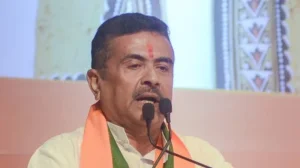
The man in question, a Delhi-based priest with an online following, was arrested for the alleged AI-morphing of a Gujarat woman and her mother’s pictures once he was spurned on the app. It is one of the matters being looked at under Mission Cyber Rakshika: #SecureHerSpace, and it shows just how fast these tools can be turned into a means of causing reputational harm.
Why this case matters
According to the authorities, the accused went to the woman’s and her mother’s Instagram, took their photos and made some very explicit content with the help of AI. The numbers are hard to ignore: he had eight or so fake accounts running and was out there putting the material in front of the public to make a spectacle of the family.
It is a double-edged sword for those on the receiving end. With AI, you can put together something that looks real in no time, and the abuse is as much about going viral as it is personal. You can have the stuff taken down, but the emotional toll and the stigma don’t just go away.
There is also an element of premeditation to it. The police say he didn’t just post and move on; he set up a number of different personas and channels to see to it the material stayed in the open even when takedowns were ordered.
From online sermons to cyber-stalking
He is Sumit Nemchand Sharma, 27, of Delhi. For the most part, he was known for his religious rants on social media. Some months back he put in a request to the complainant and they chatted a bit about faith and the like.
But when his attempt to befriend her was rebuffed, things changed. The file says he was on to her from December 2025 through April 2026, with the activity ramping up to April 6 from simple messages to outright fabrication.
The woman said he combed through her feed for any picture of her or her mother. Then, using a few AI sites, he put together some nude videos and photos. To get the word out, he put up three phony Instagrams and a YouTube in her name.
What investigators say they found
Sharma left some tells. In the course of the probe, they found he was looking up ‘AI Remove Clothes’ and other such terms. He cycled through a handful of editing apps to come up with over 100 of these fakes, all with the intent of hounding the woman and marring her good name.
It wasn’t confined to one or two apps. Police saw him on X and Facebook as well. By following the digital breadcrumbs and the metadata on his devices, they could put the whole thing down to North East Delhi.
The police and the team behind the case have made a few key points:
– He was working with some 8 to 10 false accounts
– Put out in excess of 100 AI-made images and video
– Had a YouTube and three Instagrams with her name on them
– Was on Google for ‘AI Remove Clothes’ type searches
Arrest and legal action
The Ahmedabad City Cyber Crime Branch put the pieces together and came to Delhi to put him in the box. A case is now on the books under the Bharatiya Nyaya Sanhita and the IT Act.
You could call it a show of what happens when you have inter-state co-operation on these kinds of crimes. They hit him with a raid in Delhi and are still on the case to see if he has been after anyone else in the same way.
Deepfake abuse and rising alarm
If you talk to anyone in the know, from investigators to law experts, they will tell you the problem is the ease of access. You can nudgeify or swap a face without much trouble, and before you know it you have a tool for blackmail or bullying in your hands.
There is a lot of pressure on the platforms to do something about it. The courts have been on top of the social networks to get the AI-made filth off their sites and to be of some help to the police. The law is there to be used against the ones who make and share it.
A growing online safety challenge
What we are seeing here is part of a wider trend of AI being misused to target women. The damage is done in a hurry, but fixing it is another story. You can have an account shut down, but a copy will pop up somewhere and the trauma lingers.
For now, the focus is on holding someone to account and reining it in. The arrest is meant to be a warning, but the job is not done until we can stop the abuse from getting off the ground in the first place and deal with it head on when it does.