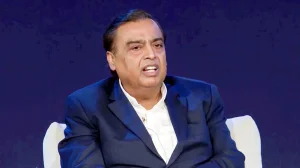
You could say the UK is getting firmer on who gets to hold the reins of its digital infrastructure. The Financial Times has it that officials will stand in the way of any move by the Indian billionaire to go over the 25 per cent mark, and they are making no bones about it being a security matter, not a judgment on him or what he’s done in the past.
Why the UK is drawing a line at 25 per cent
It comes down to where BT sits in the heart of Britain’s networks. Take Openreach for instance: the broadband side of the house puts fibre in over 22 million homes. That kind of reach makes the question of ownership one of resilience, as some in government have put it to the FT.
‘It’s not to do with Bharti or India in particular,’ one official was at pains to point out. ‘We have to keep critical national infrastructure in the hands of the UK for obvious reasons.’
What the government is signalling
They want to get ahead of things before the money starts to flow. By making their position known to foreign investors up front, they can sidestep any awkwardness later on. If Bharti were to try and cross that 25 per cent rubicon, he’d be put to the test.
The National Security and Investment Act is the rulebook here. Go above 25 per cent and you’re in for a review of your strategic assets and the like.
The review threshold and process
– Cross 25 per cent and a national security review is on
– We are looking at who is in control of key infrastructure
Mittal’s investment and influence inside BT
Bharti made a 24.5% purchase from Patrick Drahi back in 2024, putting him in as a major player behind BT’s overhaul. The holding is through Bharti Televentures.
He’s been in closer contact with the top brass at BT since. He put two names on the board last year; in September, both he and Gopal Vittal were on as non-independent non-executives.
Market reaction and strategic backdrop
LSEG figures show BT stock is up 55% in the wake of the investment. The government gave the deal the nod in late 2024 after a thorough check and some guarantees from BT, which has since put in place a committee to handle anything sensitive.
Then there’s Allison Kirkby, the chief executive, who is in the middle of a long-term turnaround. They’ve even hiked the cost-cutting goal to 3.7 billion and pushed the reorganisation out to 2030.
Foreign investment, but on the UK’s terms
We are still very open to good investors, but we won’t cede control. ‘Resilience and sovereign capability mean something different these days than they did for a while,’ an official told the FT, ‘and the market should know this isn’t a personal thing.’
It’s a pattern you see in the West: when it’s a matter of life or death for your digital and telecom assets, the scrutiny is a lot closer.
What happens next
Reuters had a story last week that Bharti Enterprises was mulling a raise in its stake to just shy of what would force a takeover bid. A company rep says they are happy with the 24.95% they have and have no intention of adding to it at present.
Bharti has been in the UK for a while, from the OneWeb deal with the government in 2020 to now. And with the Iran situation scuppering a Middle East listing, Airtel Africa is now eyeing London for its mobile money arm.
Why this matters for BT and rivals
Holding influence at 25 per cent keeps BT’s house in order and leaves the door open for investors. But it also makes it plain that if you want a piece of the UK’s telecom pie, the rules on who is in charge are only going to get stiffer.