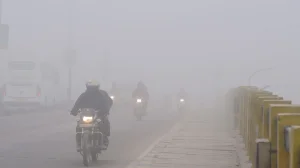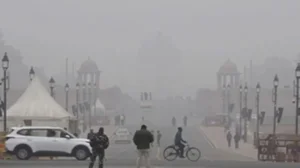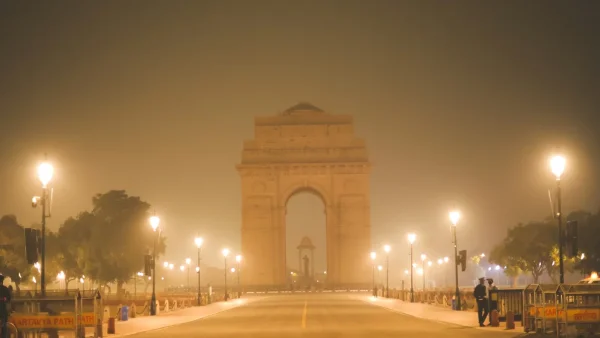
Delhi’s air is once again at a very dangerous level, and a dense, poisonous haze is covering the city. There’s a lot of PM2.5, nitrogen oxides and ozone near the ground, and at these amounts they are a big threat to people’s health. This is especially true for children, senior citizens and those whose immune system doesn’t work as well.
Children: The Early Victims
Because their lungs and immune systems are still growing, children are much more easily harmed by polluted air. Dr. Leelamohan PVR from Padithem Health Care Bangalore says breathing dirty air for a long time can cause children to have long lasting breathing issues. Research shows that kids who grow up in very polluted cities might not be able to fill their lungs as much as kids who live where the air is cleaner.
Seniors: The Silent Sufferers
At the other end of the age range, older adults who already have conditions like high blood pressure, diabetes or COPD are in even more danger from bad air. Pollution can cause inflammation throughout the body, raise blood pressure and make older people more likely to have heart attacks or strokes. Even a short time in very smoggy conditions can send older adults to the hospital with breathing problems or heart trouble.
Immunocompromised Individuals: The Hidden Crisis
People who are getting over cancer, have had organ transplants, have diseases where the body attacks itself, or take steroids for a long time have even more to worry about with polluted air. Their already weak immune defenses have a harder time fighting off the allergens and germs in the air which leads to more frequent and worse breathing infections. Protecting these vulnerable people will take all of us working together at both a personal and governmental level.
Because the air quality in Delhi and the surrounding area is becoming so much worse, we need to immediately reduce pollution, create more parks and green spaces and improve public health warnings. People can protect themselves by remaining inside during the times of day with the highest pollution, wearing N95 masks, using air cleaners inside and drinking plenty of fluids.
The current situation in Delhi really shows how important clean air is to being healthy. Pollution isn’t only an issue for the environment, it has a direct effect on how people feel and are able to live because they can’t avoid breathing it. Since the government isn’t doing enough and pollution is continuing to get worse, everyone involved needs to work together to make clean air a priority for the health and safety of all Delhi’s residents.