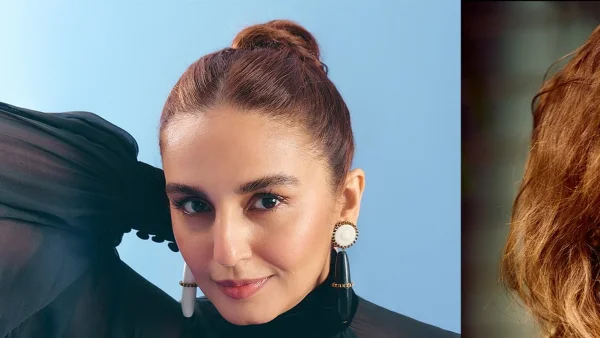
Huma Qureshi is calling time on Bollywood’s male gaze. Promoting Baby Do Die Do, where she plays a deaf and mute hitwoman, the actor-producer has slammed the industry’s obsession with hyper sexualised female assassins. Her critique lands at a moment audiences are celebrating grounded, high-stakes action that prizes character over costume.
Why Huma’s critique is resonating
Viewers and critics have praised Baby Do Die Do for its dark humour and gripping narrative, but the conversation Huma sparked is travelling further. She calls the glam-first template for action heroines a misogynist way of looking at women, arguing it caters to patriarchy and reduces complex roles to surface-level allure.
In her words, female assassins have long been packaged in tight-fitting clothes and hyper sexualised imagery. That, she says, is not authenticity, it is conditioning. The audience response suggests fatigue with the old formula and curiosity about characters who look like someone you might actually pass on a busy platform.
A lethal lead who blends in
The twist with Baby is disarming. Huma describes her as a normal, regular-looking woman who vanishes into Mumbai crowds and still turns out to be a lethal killer. That relatability is a narrative gambit, not a budget compromise, and it is paying off with word of mouth.
Crucially, Baby’s disability is not a crutch in the story. Huma stresses it is her biggest strength. As she puts it, the character is a weapon of mass destruction, and what many assume would be a weakness becomes her strongest asset.
The film and the team
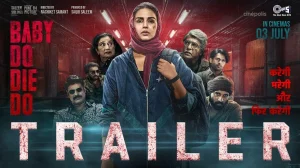
Baby Do Die Do released in theatres on July 3, 2026. Directed by Nachiket Samant, the neo-noir thriller follows a contract killer navigating Mumbai’s chaos while hiding in plain sight. The mood is tense, the humour is pitch black, and the pacing keeps you guessing.
The ensemble backs Huma with texture and bite. Sikandar Kher, Chunky Panday, Seema Pahwa, Rachit Singh and Vidya Malvade round out the world. The film is produced by Huma and Saqib Saleem under Saleem Siblings and Samant, a collaboration that signals intent to back riskier, character-led material.
From look to intent, a deliberate reset
Huma’s stance is more than a soundbite. By building a character who could pass unnoticed in a local train, she refuses the industry’s go-to shorthand for danger-meets-desire. The film asks viewers to focus on motive, method and morality rather than gloss.
Her comments boil down to this challenge for Bollywood’s writers and producers:
– Stop equating action with glam
– Trust audiences to embrace realism
– Write women beyond the male gaze
Why it matters for the industry
When an A-list performer and producer rebukes a well-worn trope, others pay attention. Huma believes there is progress already, calling Baby Do Die Do a step in the right direction, but insists there is room for sharper, braver writing that gives women range without defaulting to stereotype.
For audiences, the stakes are simple. More characters like Baby could widen the lane for female-led thrillers that feel lived-in, not costumed. For filmmakers, the takeaway is even clearer: the market is rewarding specificity, not just spectacle, and that opens space for different bodies, abilities and backstories.
What comes next
Huma wants this moment to unlock better parts across the board. If Baby Do Die Do’s reception holds, it hands screenwriters a mandate to rethink the femme fatale. The promise is not preachiness, but freshness, where danger is defined by skill and psyche, not hemlines.
She shifts gears next with Geetu Mohandas’ action saga Toxic, starring Yash alongside Huma, Kiara Advani, Nayanthara, Rukmini Vasanth and Tara Sutaria. The film is set to release on August 26th, keeping her firmly in the action space while the debate she sparked gathers momentum.