Meta faces a decisive moment today as WhatsApp reaches the deadline to respond to India’s notice on its planned username feature. With the Ministry of Electronics and Information Technology demanding safeguards before any rollout, the response due on July 9, 2026, could shape how privacy and fraud prevention are balanced on the platform.
Why India is pressing pause
At the core of the standoff is traceability. Allowing people to chat without sharing their mobile numbers may boost privacy, but officials warn it could complicate efforts to identify cybercriminals.
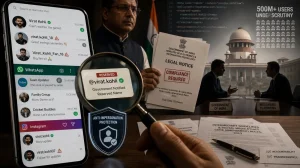
The government’s notice flags risks spanning impersonation, phishing, financial fraud and digital arrest scams. It also reminds WhatsApp of due diligence obligations under the Information Technology Act and intermediary rules.
IT Secretary S Krishnan confirmed the timeline, saying, ‘Today is the deadline for receiving the response from WhatsApp.’ The ministry directed Meta not to launch the feature in India until consultations conclude.
What Meta has promised so far
WhatsApp told officials it will not introduce usernames in India until talks with the government are complete. The company met MeitY on 3 July and sought more time after the original deadline lapsed on July 3. The government allowed an additional three days.
The company says the feature remains under development and will be introduced gradually later this year. Crucially, it stresses that a valid phone number will still be required to register and use a WhatsApp account.
To address fraud concerns, WhatsApp has signalled a layered approach. Here are the headline measures the company has detailed so far:
– Reserve verified and high-profile usernames
– Restrict lookalike variations of known names
– Require exact username to initiate a message
– Limit how many new people an account can contact
– Block repeated username-guessing attempts
– Detect and remove impersonation and abuse patterns
– Show sender context on first username messages
The company says users will see cues such as whether the sender is a new account, a contact, shares groups, or is based in a different country before deciding to respond. It argues these prompts will help users avoid risky engagements.
Competitive context: Telegram and Signal in the frame
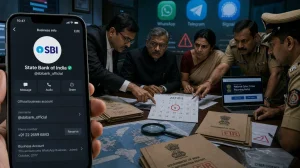
India’s review is not limited to Meta. MeitY has also sought details from Telegram and Signal, both of which already support usernames, to understand their safeguards against fraud and identity misuse. Officials said replies from those platforms are still pending.
This parallel scrutiny positions India to influence industry norms. If regulators define a baseline for identity protections, it could set expectations for any platform offering numberless communication at scale in the country.
For Meta, the comparison matters. A username system that enhances privacy while preserving accountability would help WhatsApp compete with rivals that market anonymity features, without triggering enforcement under the IT Act.
What is at stake for WhatsApp in India
India is a critical market, and product decisions often reflect local regulatory realities. A misstep here could delay feature adoption and invite penalties; a workable framework could become a template for wider deployment.
The government’s concerns are not hypothetical. Digital arrest scams and impersonation attacks have surged across platforms, and usernames could create new vectors if implemented without friction. Ensuring bad actors are deterred, detected or traceable is central to official demands.
WhatsApp has tried to pre-empt abuse by locking down high-value usernames. As the company put it, ‘we’ve held the highest-profile names – think public figures, government entities, celebrities, verified Meta accounts – so they can only ever be claimed by their legitimate owners and lookalike derivatives of known names are held as well.’
Timeline and next steps
The clock has run tight. After the original deadline expired on July 3, Meta was granted three extra days and met MeitY on 3 July. Today’s filing is expected to determine how quickly talks move to concrete testing or further conditions.
For users, nothing changes immediately. WhatsApp has assured the feature will not launch in India until consultations close. The promised safety controls, if accepted, could make usernames feel less like a leap into anonymity and more like a privacy tool with guardrails.
What to watch next
Regulators will now study Meta’s proposals. Any green light is likely to hinge on demonstrable safeguards against impersonation and fraud, and on clear mechanisms to support lawful investigations.
Separately, the government’s queries to Telegram and Signal may inform a common yardstick for username safety. That could reduce regulatory arbitrage across apps and offer users more consistent protections.
The broader policy climate also looms large. India has recently stepped up scrutiny of major messaging and social platforms. Against that backdrop, WhatsApp’s response today will signal how Meta plans to align product design with India’s risk threshold while keeping pace with rivals already offering usernames.