Israel is widening its diplomatic bets as friction with Washington mounts, with Prime Minister Benjamin Netanyahu spotlighting India as a pivotal partner. The move comes amid a collapsing US-Iran truce, intensifying regional hostilities, and fresh public signs of strain between Netanyahu and US leaders. The stakes for Israel’s strategic room to manoeuvre are rising fast.
Why India matters in Netanyahu’s recalibration
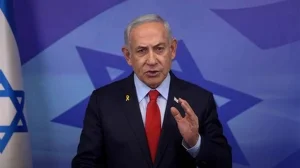
In an interview with Israeli journalist Sharon Gal, Netanyahu framed his approach as a deliberate diversification. ‘You have to build new alliances and develop new relationships. That’s what I’m doing right now with India,’ he said, signalling a pivot built on shared interests beyond traditional ties.
He underscored the political capital he sees in New Delhi. ‘We have some other friends, like a small country called India. It has 1.4 billion people, and boy, do we have tremendous support there,’ Netanyahu said. The emphasis reflects an effort to counter claims of isolation and to lock in backing across Asia.
Friction with Washington sharpens the pivot
Netanyahu’s remarks followed a warning from US Vice President JD Vance, who, according to reports, urged Israeli leaders to avoid publicly criticising Washington after a US-Iran peace agreement. Vance described the United States as ‘the only powerful ally’ Israel had ‘left anywhere in the world,’ a characterisation Netanyahu implicitly rejected.
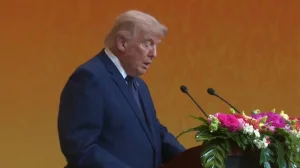
Tensions at the top have also been documented in a recently published book by Maggie Haberman and Jonathan Swan. It recounts a blunt exchange in which US President Donald Trump told Netanyahu: ‘I’ve done everything to protect you. You better go along with this. It’s been going on for too long. Everybody’s sick of you, Bibi.’ The authors say this occurred during talks over a proposed Israel-Hamas deal.
Key developments driving the diplomatic reset include:
– Netanyahu courts India amid US tensions
– JD Vance urges restraint in public criticism
– Iran attacked three ships near Hormuz
– US struck around 170 targets in Iran
Escalation with Iran upends fragile diplomacy
Netanyahu’s outreach lands in the middle of a renewed confrontation involving the United States, Israel, and Iran. Tehran attacked three commercial ships transiting the Strait of Hormuz, saying the vessels ignored designated routes and chose a passage under US control. In response, the United States launched strikes across Iran.
US Central Command said American forces targeted around 170 military sites across the country. The escalation effectively ended the US-Iran peace agreement signed less than a month earlier. With that diplomatic track derailed, Israel’s interest in shoring up external partnerships gains urgency.
Lebanon tensions and the US-Israel split
Even when the US-Iran deal was in place, Israel continued military operations in Lebanon. Iran had repeatedly indicated that any lasting regional arrangement would have to address Hezbollah, a key ally of Tehran. The ongoing strikes complicated efforts to stabilise the front and preserve a fragile ceasefire.
Amid this, an Israeli official in New Delhi drew a line between deference and divergence. Israel’s Ambassador to India, Reuven Azar, said Israel agreed to a peace arrangement with Lebanon only ‘out of respect’ for the United States. His comment arrived as reports highlighted widening differences between President Trump and Netanyahu on how to end the conflict.
What to watch next
India's role will be watched for tangible follow-through. Signals could include higher-level visits, expanded defence or technology cooperation, and more vocal diplomatic coordination. For Netanyahu, converting rhetorical warmth into policy depth will test the viability of his multi-alignment strategy.
The US-Israel relationship remains the central variable. Public admonitions, the book’s revelations, and the intensifying Iran theatre have exposed strategic gaps. Whether cooler consultations can narrow those gaps will shape Israel’s next moves, and determine how far partnerships beyond Washington can really stretch.