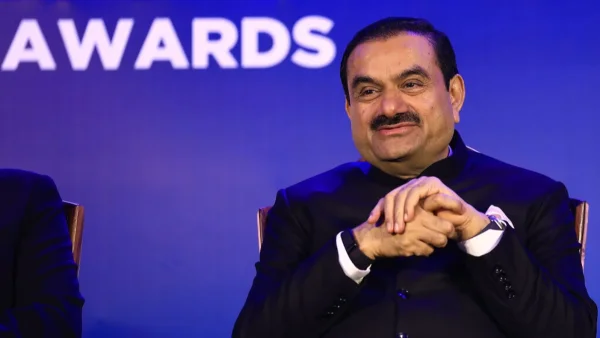
Gautam Adani will file a sworn affidavit in a US court this week, a move that could shape his group’s standing with global investors watching the United States closely. At issue is whether any promise or benefit was tied to the dismissal of a criminal indictment, reportedly linked to potential investments in the US.
For a conglomerate competing for global capital and large cross-border projects, legal clarity is strategic currency. Rival bidders and lenders track such proceedings because credibility in major markets often influences cost of capital and deal momentum.
Court demands clarity before dismissal
The court has made approval of the dismissal contingent on a clean record of decision-making. It wants to be assured no undisclosed deal influenced the government’s move to drop the case.
Adani has been directed to file the affidavit by July 15th. Sources said he is likely to submit it this week, addressing specific questions set out by the court.
The affidavit must directly cover two areas identified by the court as essential to transparency:
– Any promise, offer, agreement or benefit connected with the dismissal
– Any exchange made in return for the indictment being dropped
Government stance on dismissal
According to the US justice department, the dismissal was sought solely because the securities case was legally indefensible. That position, if upheld by the court, narrows the decision to a question of legal merit rather than negotiation.
Department of Justice official McCotter, in a 10-page written filing, stated that he alone made the decision. He also denied media reports suggesting the charges were dropped in exchange for a commitment by the defendants to invest in the United States.
This framing matters in capital markets, where investors differentiate between legal outcomes driven by law and those clouded by perceived side arrangements. The former reduces risk; the latter typically extends it.
Why the judge pressed for an affidavit
The judge noted that the government’s submission, for the first time, raised the possibility that some form of agreement may have existed, even though none had been disclosed. That comment sharpened the focus on undisclosed considerations.
Before approving the dismissal, the court said it must be satisfied that no undisclosed deal influenced the government’s decision. A sworn statement from Adani is intended to close that loop.
Such affidavits serve a protective purpose in high-profile matters. They bind key parties to clear positions and help courts ensure the integrity of prosecutorial decisions.
What happens next
If the affidavit confirms there was no promise, offer, agreement or benefit tied to the dismissal, the court could reach closure faster. Any ambiguity could prolong the process and keep the overhang alive for stakeholders.
Adani Group declined to comment, citing the matter as sub judice. That stance is typical while a filing is pending and a court’s review remains active.
For investors, the timeline signals near-term visibility. A definitive court record helps separate legal risk from business execution risk, which can influence valuations and financing appetite.
Key positions to track
For readers following the case, three official positions are clear:
– DOJ says the case was legally indefensible
– McCotter says he alone decided to drop charges
– The court wants assurance of no undisclosed deal
This week’s filing therefore carries significance beyond a single proceeding. It tests the narrative around how and why the case was dropped, and whether the dismissal stands on legal grounds alone.
The outcome will also signal how assertively US courts may scrutinise prosecutorial discretion when media reports suggest possible side benefits. That signal, in turn, can influence how global companies calibrate communications around sensitive legal developments.
While the legal questions are narrow, the implications are not. With the affidavit due by July 15th, clarity on the dismissal’s basis could arrive soon, shaping perceptions of Adani’s US posture and the momentum of future investment conversations.