
It used to be the subject of side conversations at the gym; now it is part of the everyday for a lot of people, and not just to look good. Whether it is for a bit of confidence in front of the mirror or to make moving around a little easier, there is a case to be made for it. If you want to separate fact from fiction, here is what the data says and how to go about it.
Why everyone is on to it
Put simply, collagen is the protein that makes up most of your body. It is the kind of framework that keeps your skin, bones, and even your blood vessels in place. But once you hit your mid-20s, you don’t make as much of it. Add in some sun, a cigarette, or a less-than-stellar diet, and you will see it in the form of fine lines or being a bit stiff in the morning.
Hence the appeal of a supplement. You hear from all sides-celebs, trainers, doctors-about the upside in terms of elasticity and mobility. There is some evidence to back it up, though your mileage may depend on your age and how you live your life.
What to expect
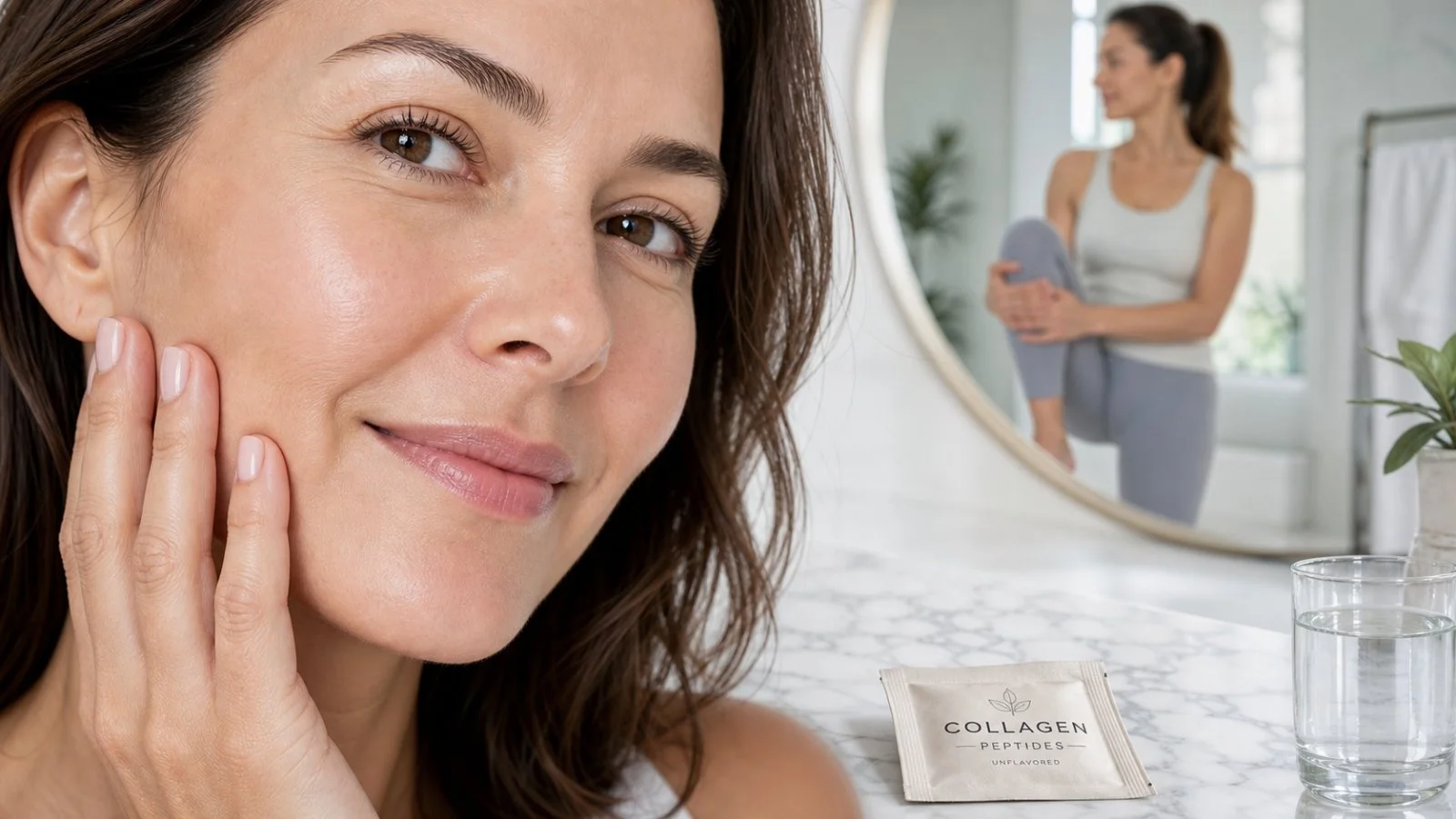
The first thing you might put your finger on is that your skin has a bit more of a lift to it, or you are not as creaky when you get up. It comes down to better hydration and some under-the-hood support for the tissues in your joints.
Here are some of the early results you will see:
– A smoother, more supple feel to the skin
– Less dryness where you had some before
– Joints that don’t protest as much when you move them
– Nails that are less likely to break; hair with a bit more body
– Some of the after-workout ache is tamed
What the research is saying
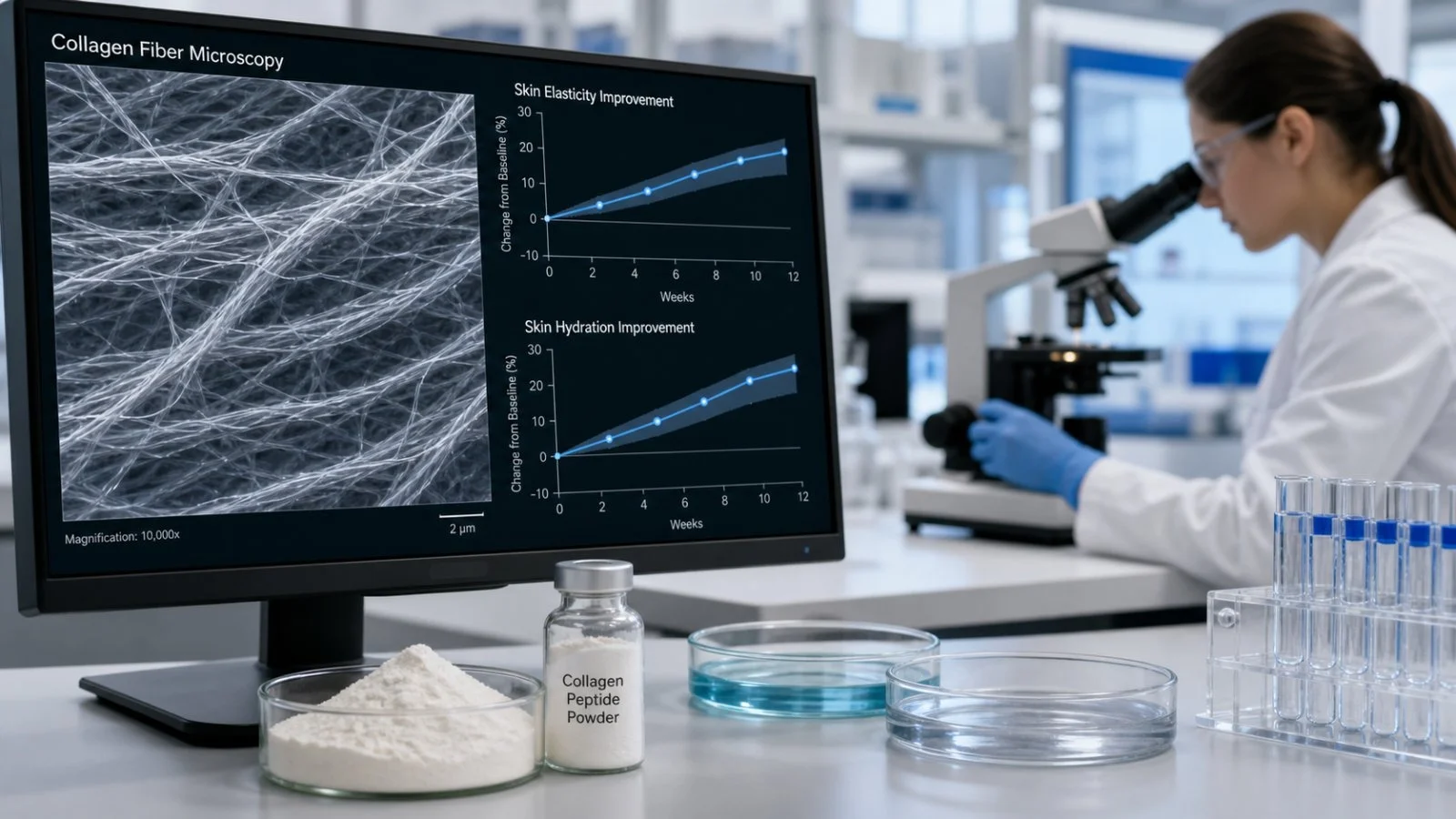
Skin is usually the first topic of conversation. And for good reason: a few studies have found that collagen can do some heavy lifting for elasticity and the appearance of wrinkles. If you have been dealing with dry patches, the literature is there to show you can put in some work for a healthier complexion.
That is the kind of result you will see in an anti-ageing regimen. Don’t think of it as a quick fix, but as something to put in place for the long haul.
Joints and bones
Your cartilage needs collagen to do its job. When you have less of it, you can start to feel it. For the over-50 crowd or anyone who puts in the miles, a supplement can be a way to keep things moving.
Bones are full of it, too. There is some indication that a supplement can help with density and stave off the kind of weakening that comes with time. Do it alongside a diet with some calcium and vitamin D and you are in good shape.
For your muscles
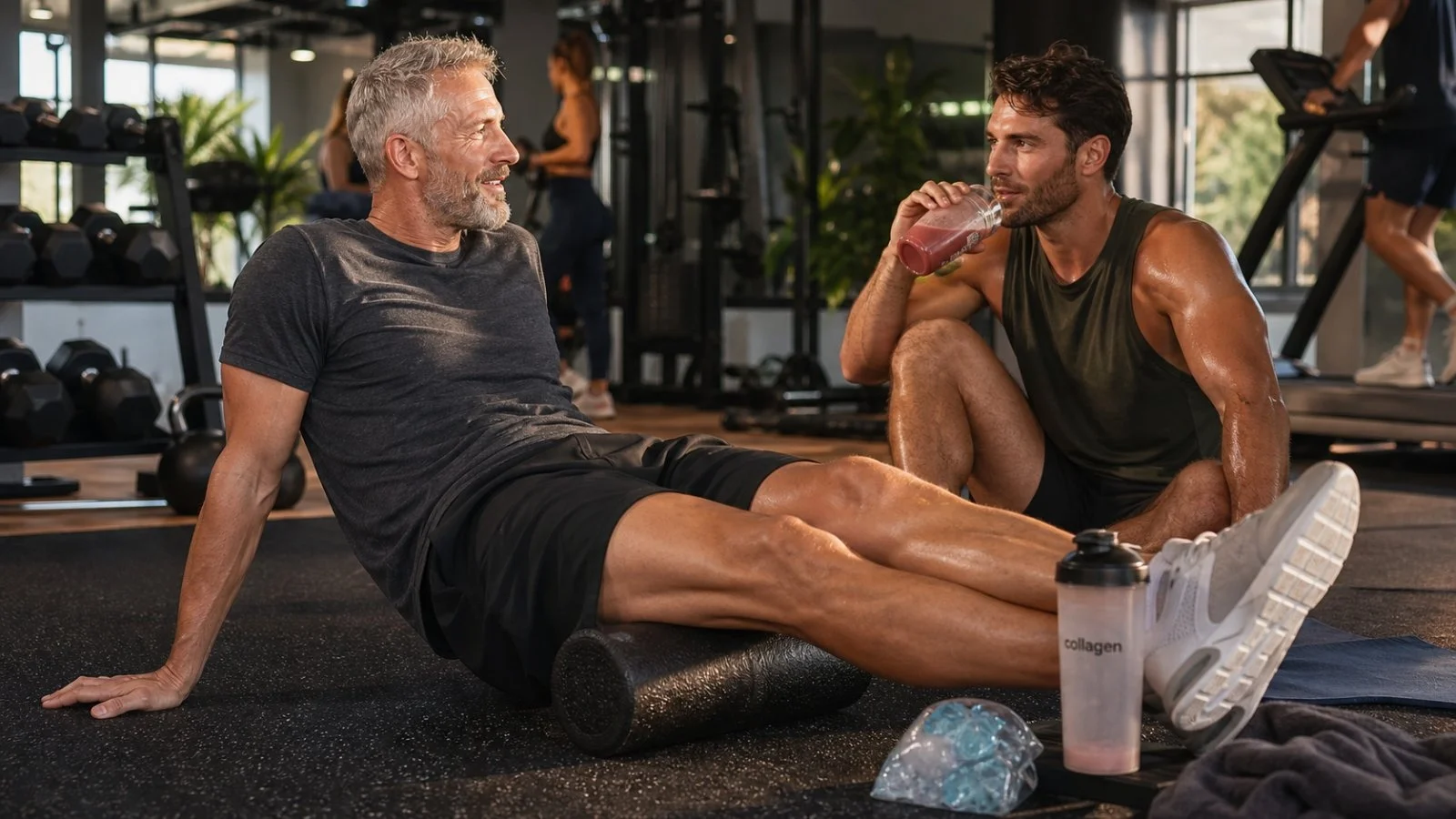
There are amino acids in collagen that are no-nonsense for muscle repair. It is a quiet kind of support, but if you are older and working out, it can be a help in holding on to some mass.
Some of my more athletic friends use it to get back on their feet after a session. It seems to let the body put itself back together a touch quicker.
And then there is the gut and heart
We are only just starting to see some data that points to collagen being good for the digestive tract. Some in the field think it has merit, but it is still a work in progress. Call it a maybe for now.
Same goes for the cardiovascular side of things. Your arteries and blood vessels are built on a collagen frame, so having enough of it is important. We need to see more before we make any hard claims, but it is there.

How to make it count
Let’s be clear: this is not a magic bullet. How you do depends on a lot of variables, from the quality of your sleep to what you put on your plate. You won’t see a change in a night, so give it some time and be consistent.
Get a good product and make sure you are eating right, with plenty of vitamin C and protein. Your body has to have the raw materials to do the building, after all.
So who is this for? If you are an older adult with some niggling in the knees, or you train and want to come back from it in one piece, or your skin is looking a bit done in, it is worth a look. It is a simple way to make up for what you stop making in your 20s.
Remember, it is a base-level protein. It does a lot of different jobs in the body, which is why the list of benefits is long. But it also means you have to be patient while your body does its thing over the course of a few months.
Give it a shot and see. Pay attention to the little things: are your knees any better in the AM? Is your skin holding water like it should? Let those be the deciding factor on whether you keep it in your rotation.