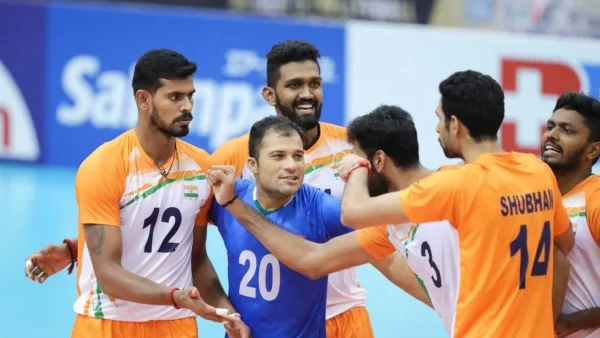
The FIVB has immediately taken away the VFI’s recognition because of failures to meet legal and administrative standards, and given control of volleyball to a steering committee of people from both the FIVB and the Indian Olympic Association. This firm action follows complaints from players about inadequate training facilities and unfair team selections, and comes only a few weeks before India is to host a major competition for Asia.
Why FIVB Pulled The Plug
The FIVB’s governing board said the VFI’s temporary leadership didn’t follow rules 1.5.3 and 1.9.1 of the FIVB’s general rules about legal and administrative matters. The FIVB had only given the VFI eight months of temporary approval, and that was dependent on the VFI doing what was required of it.
The FIVB stated that the VFI’s temporary approval is now cancelled, and a steering committee with representatives from the FIVB and the Indian Olympic Association now has the authority to handle the administrative side of things. This is to ensure volleyball in India continues without interruption during this change.
Steering Committee To Run Indian Volleyball
The steering committee is made up of Rohit Rajpal (a member of the Indian Olympic Association’s Executive Council), Raghuram Iyer (CEO of the Indian Olympic Association), Steve Tutton (FIVB General Sports Director), Stephen Bock (FIVB Head of Legal Affairs and General Counsel) and Hitesh Malhotra. They were already supervising the VFI and will remain in charge.
The FIVB says the well-being of athletes is their most important concern. The committee is responsible for keeping things going, making sure they are stable and properly managed, including giving athletes a real say and making sure the VFI’s procedures match the proper standards.
Key tasks during transition
The FIVB has outlined these main things the committee must do:
- Create an Athletes’ Commission
- Hold elections for the state volleyball associations
- Change the VFI’s rules to fit with the law
- Choose teams based on skill and performance, and openly
- Organize national and international competitions
The FIVB has also promised technical and high-performance help through its Volleyball Empowerment program; this includes bringing in coaches from other countries. As part of this program, $258,000 will be given in t2026 to support athletes and develop national teams (both men and women, and in all types of volleyball) in India.
Athlete Complaints Sparked Flashpoint
On April 12th, senior players Anand K and John Joseph left the national training camp in Ahmedabad because of tensions. They said the coaches weren’t good enough, the foreign coach Dragan Mihailovic had been removed, the facilities were poor and didn’t use science to improve training, and team selection was unfair.
They privately emailed the Indian Olympic Association to ask for better conditions, and these emails were supposedly passed on to the VFI. The players claim they were told to apologize and say they hadn’t sent many emails pointing out problems, but they refused to do so, even though they could have been banned. The VFI denies forcing them to do this.
Claims of deeper governance strain
Aside from the problems at the training camp, the sport has consistently had issues with how it’s managed. People have said that elections have been delayed because of arguments within the VFI, political meddling, and a lack of openness in making decisions.
There have also been legal and financial issues, including a reported payment of 7 crore rupees to a sponsor in an arbitration case, and around $335,000 still owing to the FIVB. The problems for the VFI began in 2020 when the Sports Ministry suspended them because of bad management.
What Changes Now And What To Watch
The steering committee’s job is to get things back on track and be seen as trustworthy, while protecting the athletes. A team selection process that’s open and based on merit is a key promise, and is intended to rebuild trust in how the national teams are chosen.
There isn’t much time. From June 20th to 28th, Ahmedabad will host the Asian Volleyball Confederation Men's Cup at the Veer Savarkar Sports Complex in Naranpura; twelve countries are expected to compete. It is essential to have a smooth changeover to ensure India is prepared and able to take part.
How well the VFI’s management is improved will be closely observed. Changing the VFI’s rules to meet legal and management standards and holding elections for the state associations are essential to building a firm foundation that will once again earn the approval of the international volleyball community.
Giving athletes a voice is at the center of this new start. Setting up an Athletes’ Commission will give players a formal say in how decisions are made, which is something that’s now expected in sports management and has been highlighted by the courts and the FIVB.
Financial responsibility and openness will also be vital. Paying outstanding debts, resolving disputes and putting good monitoring systems in place could prevent the same issues that caused the approval to be cancelled from happening again.
The FIVB’s immediate message is clear: following the rules and good management are absolutely essential. For Indian volleyball, the future depends on looking after athletes, having honest administration and being clearly responsible for actions, and the steering committee is now in control.