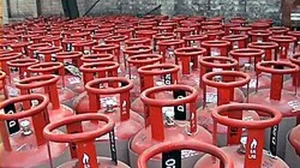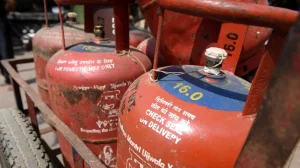
The latest rise in the price of liquefied petroleum gas has made people feel uneasy about the economy, and led to a strong argument in politics. Because of a Rs 60 increase in the price of LPG cylinders for homes, and about Rs 114.5 for businesses, from March 7th, families and small businesses are saying that they are really feeling the effects. The parties who oppose the government have got more severe in their criticisms, while the party in power has said the rise is small.
People who work in the industry say that the latest change in LPG prices shows how much global energy prices have risen, after fighting started in West Asia – involving the United States and Israel against Iran. Fuels which depend on imports usually follow global price movements, and changes in the value of the rupee can make prices at home more unstable.
What people in homes and small businesses are saying
For families who are already finding it hard with higher food and travel costs, any rise in the price of cooking gas is very personal. The total effect depends on how often people refill their cylinders, how much they use, and whether families get help from government schemes. But for many, even a Rs 60 increase is enough to cause problems for a tight budget.
In Delhi, a woman called Anita said that working out how to survive each month was getting harder. She said their cylinder didn’t usually last the whole month, and that her family used two refills. She added that each increase made the difference between what she was paid, and what she needed to buy, smaller.
In Moradabad, Uttar Pradesh, people said they were worried that costs were going up faster than what they earned. One local person said that with another Rs 60 added, their costs would be higher than their earnings if prices generally kept going up. For families who cook every day, needing an extra refill or two can mean they have to make difficult choices about other spending.
From Himachal Pradesh, Ruplal warned that higher LPG prices tended to have a knock-on effect. He said that when fuel costs rose, transport and things used in production got more expensive, and this hurt farmers, workers, and people with low incomes the most. He said that in areas where there weren’t many jobs available, the difficulty was becoming very clear.
These stories show one thing in common: LPG is not something people choose to spend money on. It’s a basic need, and increases in price quickly make people feel uneasy about prices generally, especially poor and middle-class people.
What the opposition is saying, and the politics of price rises
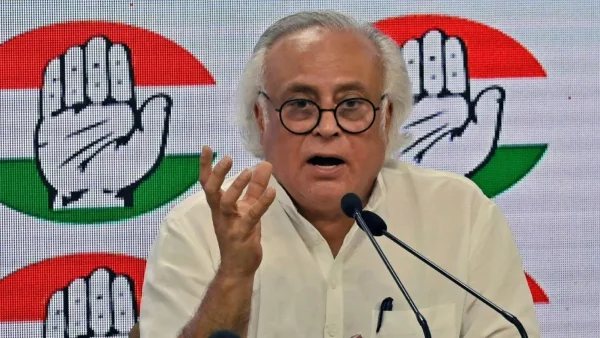
The opposition parties used the price rise to attack the government which was in power. Congress called the Prime Minister ‘the Inflation Man’ and said that the government was ‘using the whip of inflation’ on family budgets. The party also pointed to a big increase in the price of LPG for businesses in recent months, saying that it had gone up by Rs 307 in three months.
Congress leader Pawan Khera criticised the minister for petroleum and natural gas, reminding people of a recent promise about cheap and sustainable fuel. He compared that statement with the new increases, and urged people not to believe such claims.
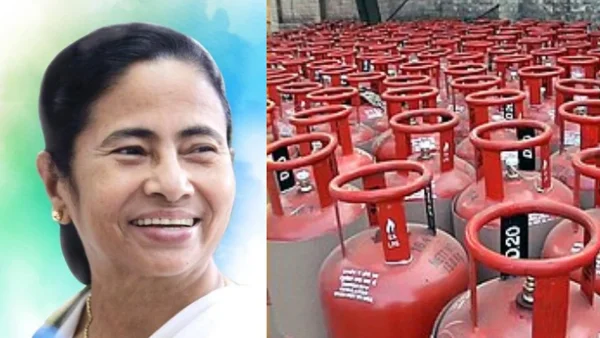
In West Bengal, Chief Minister Mamata Banerjee asked for protests by the women’s part of her party on Sunday – International Women’s Day. She criticised what she called new rules for booking, which made people reserve gas 21 days before they needed it, and noted the reduced amount of kerosene available, asking what families should do when a cylinder ran out. Banerjee called on women to have quiet, lawful demonstrations, and told those going to dress in black to show they didn’t agree with the price rise. She described the increase as one of a series of ‘policies against the people’, and said when prices went up, something should be done to help those who couldn’t easily manage.
Mamata’s call to protest also relates to the issue of the voters’ register
Banerjee’s message was also connected to her current protest about the Special Intensive Revision of the voters’ register. She said that a lot of women had been taken off the register – including those whose last names had changed when they got married – and asked for this to be put right. What she said went past prices into a more general criticism of politics, and showed how tense things were with important political events coming up.
She also said something about what was happening with the state’s governor, tying this to national politics. Although these claims aren’t about the price increase, the fact that they overlap shows how quickly rising prices and energy costs can become part of a larger story about how the country is governed, and who is to blame.
The BJP’s answer: a small increase, and problems in the world generally
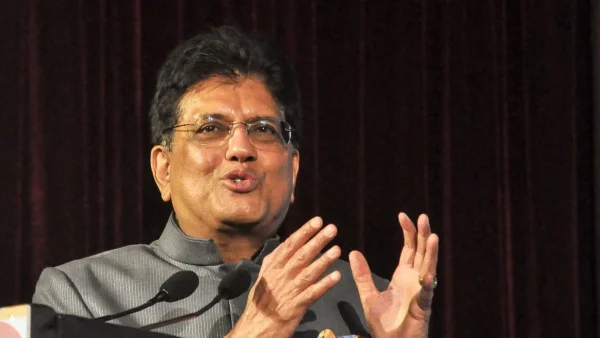
The BJP replied that, when compared with the price inflation rate, the latest rise wasn’t very big, and that world energy markets were under strain, and India could not avoid being affected by these changes. Party leaders said the central government was dealing with the situation and accused its opponents of causing worry and misunderstanding with guesses about what might happen.
The party’s position agrees with its long-held belief in pricing linked to the market, which supporters say is needed for energy to be secure, and to stop the country’s finances from getting into trouble. However, people against this say that without better protection for people with low incomes, market-based price rises make inequality worse.
What the price rise means for inflation and policy
LPG goes directly into what people use in their homes, and indirectly into services like food and hotels. Though LPG doesn’t make up a large part of the overall rate of consumer inflation, compared to food, the second-order effects of higher prices for business cylinders can raise costs for restaurants and caterers, and so slightly raise everyday prices.
Policy choices involve trade-offs. Giving more help to those who need it most can protect the poorest families, but puts more strain on the country’s finances. Giving oil companies temporary help can keep prices steady, but might change the signals and put off dealing with the problem. Any changes to import duties would have to be weighed against the country’s need for money, and the value of its currency.
It is also important to give clear information about how to book cylinders. If people need to plan 21 days in advance, distributors and companies must make sure supplies are reliable, delays are dealt with quickly, and complaints are handled openly. In times of tight supply or changing prices, people’s trust depends on quick, dependable delivery.
What people can do, and immediate steps
Families can try to lessen the effect with small changes. Regularly looking after stoves makes the flame more efficient. Using lids, pressure cookers and cooking in batches can reduce how much fuel is used. If electricity prices are stable, partly changing to induction for quick jobs may reduce LPG use.
Families should also check if they are eligible for any help they might get, and keep receipts and account details up to date to avoid delays. These steps can’t remove the pain of a price rise, but they can make a cylinder last a little longer and give time for policy discussions to take place.
The latest LPG price rise makes India’s long-running attempt to balance what the market is like and the welfare of homes even more difficult. World energy shocks rarely stay outside the country, and what happens at home quickly gets a political twist. As protests, statements and counter-statements go on, the main issue stays simple and urgent: keeping kitchens going without ruining family budgets.
What will happen next
Whether through carefully planned subsidies, better supply arrangements, or help that is better aimed, those who make policy are under growing pressure to make things affordable. For millions of homes and thousands of small businesses, every rupee at the checkout tells the story.