This is a move that has an immediate bearing on anyone in the market for a Hyundai this month. The company is pointing to higher costs for inputs and running the business. You could see it as a follow-up to the 0.6 per cent average we saw in January 2026.
What changes for you from June 1
Hyundai says the extent of the hike will depend on the model and variant. They are calling it a ‘nominal’ adjustment, but when you come to bill, it will show up in your on-road cost, not just the ex-showroom number.
They first put this out there on April 8. Then they put the plan on hold – it was to have been in May – and have now made it official for June 1, 2026.
To put it in perspective, Hyundai’s range in India goes from about Rs 5.55 lakh to over Rs 55.70 lakh ex-showroom. We’re talking everything from a basic hatchback to a top-end EV, so you won’t see the same kind of impact on every car.
If you have a purchase in mind, here is what to do to be sure of your numbers:
– Get the new pricing for your specific variant from the dealer
– Make sure you know the invoice date to hold the line on price
– Look at the on-road quote, not only the ex-showroom
– Go over your financing to see how the new total works out
The reason behind the price tag
In a filing with regulators, Hyundai said they can’t just swallow the extra costs with the way the market is. There are higher commodity and input costs, and operations are more expensive than before.
They are trying to keep a lid on internal spending to spare the customer where they can. But some of it has to be passed on, they say, in the form of a small price bump.
How it stacks up to the rest
You’ll see this kind of thing happening all over the passenger vehicle space in India. Maruti Suzuki has already put word out that they will be raising prices by as much as Rs 30,000 in June 2026 to deal with inflation and input costs.
Others have been feeling the same headwinds. Commodity and supply chain costs are still high, and with some of the uncertainty in the world right now – energy markets, trade routes in West Asia – it’s putting a strain on things.
It’s a squeeze on margins even when demand is there. So automakers are having to make some hard calls on pricing while they work to cut costs in other areas.
Which models are in the crosshairs
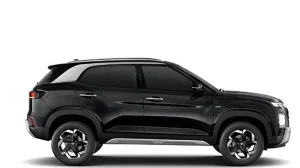
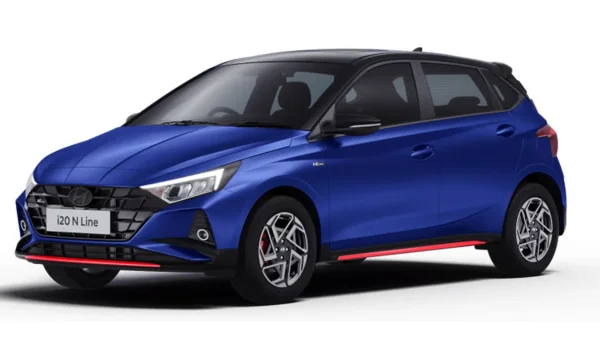
Given the size of its portfolio, this will affect a lot of people. The SUV side of the house has the Exter, Venue, Creta and Alcazar. For sedans, you have the Aura and Verna for the compact and midsize crowd, and the Grand i10 Nios and i20 for hatchback fans.
Then there is the electric front, with the Creta Electric and Ioniq 5. Since it varies, you might find the lower trims don’t move as much as the fully loaded ones.
When you are looking at the competition, remember the cap at Hyundai is Rs 12,800. In some segments, that may make the difference with a rival who is hiking by more.
What to look for
Come June 1, 2026, you will see new ex-showroom numbers at the dealership. Hyundai is of the view it is a no-brainer given the cost climate, and they are still on top of their own expenses.
If you are on the fence, now is the time to pull the trigger. If you are going to wait, build the change into your budget and see if the dealer has anything to make up for it.
It’s a sign of what 2026 is shaping up to be: prices will be as much about what it costs to make a car as they are about what you want to buy. A little quick thinking and an open line with your dealer can go a long way.