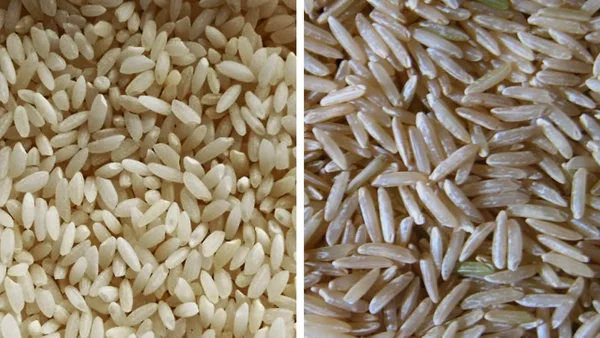
You could say the war in Iran has given India’s hold on the global rice trade a bit of a shake. Basmati to the Gulf has been tied up in knots and overall shipments have softened in early 2026. It’s a headwind for pricing and closing deals, on top of the fact that Indian rice prices are already down over 5% this year after we had such a big harvest.
Gulf disruption reshapes India’s rice mix
Key lines to places like Iran, Iraq, Qatar and Saudi Arabia are clogged with the fighting, which is putting off new orders and holding up cargo. “We’ll be under normal levels until this is over,” one New Delhi exporter put it, noting that both sides are being careful about what they sign on to.
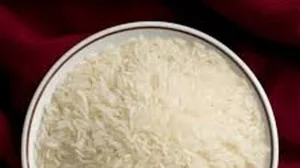
Basmati is where you feel it most. From January to April, those exports were 7% lower, at 2.3 million metric tons, with less going to the likes of Iran, per two officials who couldn’t be named. And since the US and Israel made their move on Iran in late February, you’ve had higher insurance and freight bills to make things even more of a strain with the Strait of Hormuz the way it is.
Headline numbers for January to April 2026
In the first four months of 2026, India’s rice exports came in at 8.39 million metric tons, a 1.3% slide from a year ago, the officials say. Not a huge fall on paper, but there was some give-and-take between the basmati and non-basmati side of the ledger.
Here is what the figures show, according to those in the know:
– Total exports: 8.39 million metric tons, 1.3% off
– Basmati: 2.3 million metric tons, 7% down
– Non-basmati: 6.09 million tons, up a touch from 6.03 million
Some of the non-basmati is still in demand in Africa, but the costs are there. An exporter in Kakinada will tell you that when you add in the premiums for shipping and insurance, you don’t get as much takers from the kind of buyers who are watching their pennies.
Why this matters for India’s market position
India is behind more than 40% of the world’s rice and we usually put out more than Thailand, Vietnam and Pakistan put together. So when our side of the street stumbles, you see price changes ripple through Asia and Africa in no time.
It comes down to the type of product. We’re sending non-basmati to Bangladesh, Benin, Ivory Coast and the rest, while the good basmati is for the Saudis, the Iraqis, the Iranians and the UAE. The government has it on record that Saudi Arabia was our number one for basmati last year, so being able to do business in the Gulf is key.
We’re in a contest with the Thais, the Vietnamese, the Myanmarese and the Pakistanis. If this goes on, we could lose some ground in the high-end, even if the non-basmati side is in better shape because we have a wider net to cast.
What traders are doing next
You see a lot of caution from the trade houses and the buyers. Cargoes are stuck in the water to the Gulf and nobody wants to be hasty with a new contract. Exporters say that’s just how it will be for as long as the war is muddying the waters on cost and timing.
Domestic price pressure and near-term outlook
Then there’s the matter of home. With exports waning, it puts more of a squeeze on local prices, which have already given up 5% or so this year on the back of a record crop. Keep the premium side of the house in disarray and the mills and traders will be in for a while of it.
For now, it’s all about what happens in the Strait of Hormuz and how the Iran situation plays out. We can’t do anything about that. Until it does, the top supplier in the world has to make do with a tight spot in the premium market, even if the bulk of the business is fine.